Latvian MP Jurēvics: law should require mobile networks to stay up for 24 hours after power cuts
Following a powerful storm, Latvian MP Edmunds Jurēvics is calling for legislation requiring mobile operators to keep networks running for at least 24 hours after a power outage. He warns that base stations currently last only a few hours without electricity, risking people's access to information during crises.
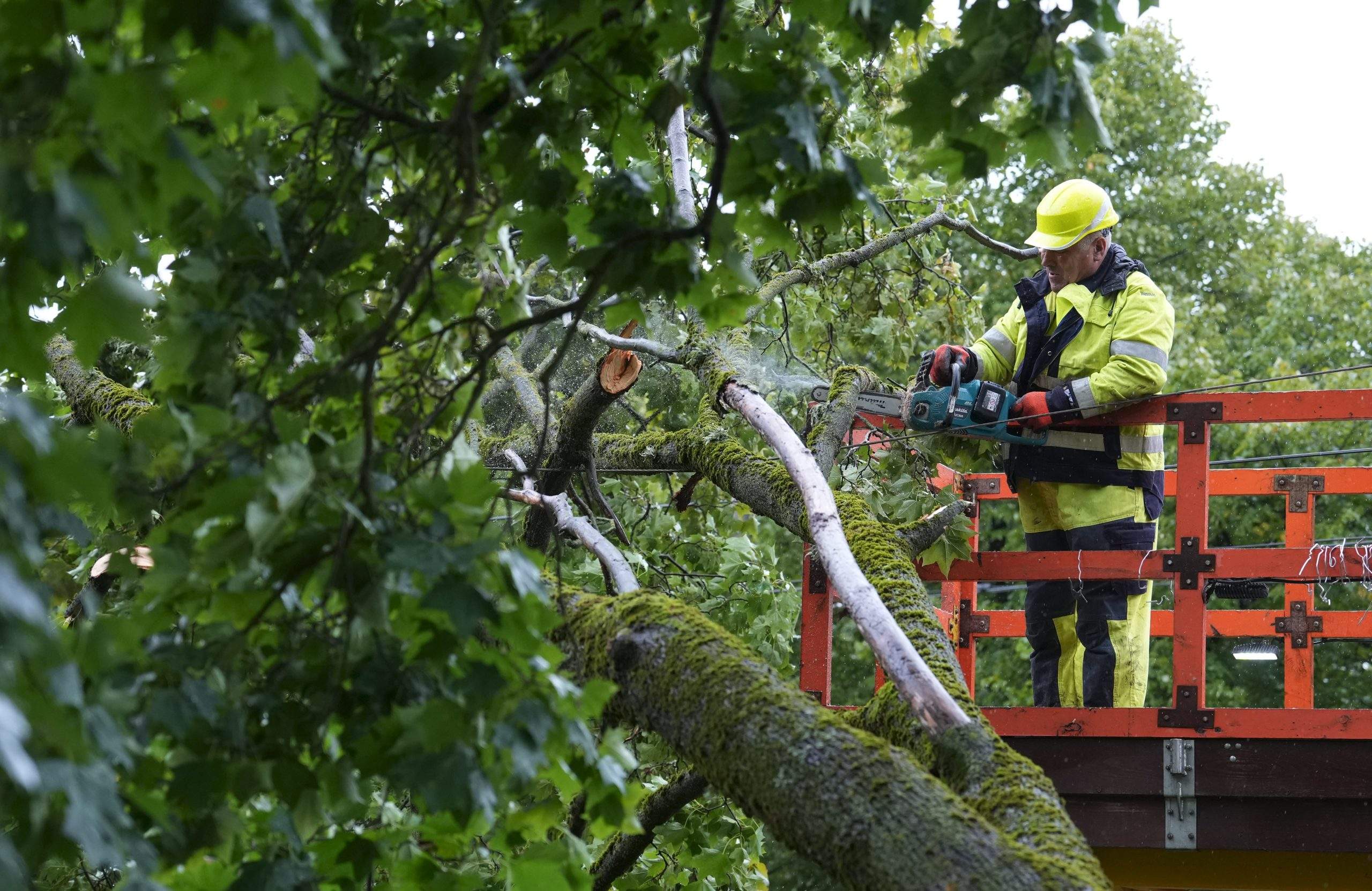
A recent powerful storm has shown that short-term power outages must be treated as an ongoing reality in Latvia, but an even bigger concern is how quickly mobile communications disappear once electricity is cut. Edmunds Jurēvics, a member of the Saeima (Latvia's parliament), chairman of the New Unity faction and a candidate for the 15th Saeima, raised the issue on the TV24 programme "Ziņu top".
Proposing a 24-hour minimum
Jurēvics argues that mobile operators should be legally required to keep base stations running on batteries or other backup power sources for at least 24 hours after a power cut. According to him, during the storm mobile and internet coverage vanished in many areas just hours after electricity went out, while current backup systems typically last only about two to three hours. He stresses that a 24-hour reserve is technically achievable and mainly a matter of cost.
Voluntary action first, legislation if needed
Jurēvics acknowledges that operators could initially implement such a solution voluntarily, without state intervention. However, he believes that if the major telecom companies fail to agree on a common safety standard on their own, the state will need to impose it by law.
Communications seen as a key crisis issue
The MP notes that access to communications is one of the most critical factors in a crisis situation. If electricity, mobile networks and internet all fail at once, a person can be left completely cut off from information, with radio remaining the only alternative — whether in a car or via a battery-powered radio set. However, he pointed out that radio reception itself faced problems in some areas during the storm, a fact acknowledged by media outlets themselves.
Praise for emergency services
Jurēvics spoke positively about the response of emergency services after the storm. While travelling to his home region, he said he saw firefighters, volunteer fire brigades and National Guard members ready to clear roads of fallen trees and other obstacles. Still, he considers the main lesson from this storm to be the vulnerability of communications infrastructure and the need for stricter backup power requirements.
/nginx/o/2026/08/26/17878641t1hde36.jpg)