Jurēvics: Voters gave Unity several yellow and red cards in last election
Edmunds Jurēvics, head of Latvia's Unity party, told its congress that voters issued warnings in the last parliamentary election, but the party can still win back trust. The congress is choosing a new leadership.
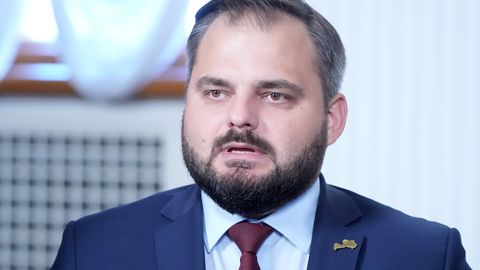
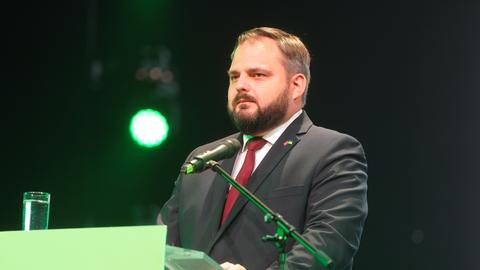
Edmunds Jurēvics, chairman of the board of Latvia's party Unity ("Vienotība"), said at the party congress in Salaspils on Saturday that voters gave it several yellow and red cards in the previous Saeima election. He noted, however, that the party is still represented in parliament and has a chance to regain voters' trust. The congress is electing new party leadership.
In the 15th Saeima election, the alliance New Unity, of which Unity is part, won seven seats and was left in opposition. The party board then took political responsibility for the result and decided to convene a congress. It made that decision at its meeting on 5 October.
Admitted mistakes
Jurēvics stressed that the party must honestly assess both its achievements and its errors. In his view, it has not given a clear answer about its ideological identity and has not convincingly explained how it would deal with the national debt. He also named as a mistake its overly long tolerance of the conduct of politicians from other parties in connection with the Rail Baltica project: decisions should have come sooner, specific people should have been dismissed, and the party should have taken responsibility.
He admitted that over the past six months the party focused too much on work in Saeima plenary sittings and forgot about voters, so some turned to the United List. Jurēvics also criticised that party's platform, saying it had promised everything to everyone while offering few concrete solutions. His examples were the so-called "golden" visas and cooperation with Ainārs Šlesers (LPV).
Leadership vote
Jurēvics and Dāvis Mārtiņš Daugavietis are competing for the post of board chairman. Former prime minister and New Unity leader Krišjānis Kariņš proposed forming the leadership with two co-chairs. Lauma Paegļkalna, Daugavietis and Arvils Ašeradens also mentioned a similar idea. Daugavietis said he offered it to Jurēvics last week, while Jurēvics said legal aspects currently rule it out.
The congress will also elect 14 board members, for which 37 members have applied, as well as the council chairman, his deputy and members of the Ethics Commission.