Active vs. Passive Noise Canceling: How Each Works
Active noise canceling (ANC) uses anti-noise to neutralize external sounds, while passive canceling relies on physical barriers. Both methods are most effective when used together.
Passive Noise Canceling
Passive noise canceling is the simplest form of sound attenuation: it uses physical objects to block noise from reaching the ears. Covering your ears with your hands, wearing earmuffs, or using earplugs are all examples. Most headphones and earbuds inherently provide passive isolation because they cover the ear or fill the ear canal. Open-back headphones and open-ear earbuds (like the Shokz OpenDots 2) are exceptions—they allow ambient sound in, which is useful for athletes or workers who need to hear their surroundings.
Active Noise Canceling (ANC)
ANC uses a built-in computer and microphones to analyze ambient noise and generate an anti-noise wave—an out-of-phase version of the sound. When the original noise and the anti-noise combine, they cancel each other out before reaching the eardrum. However, ANC has limitations: it works best on constant, low-frequency sounds (like an air conditioner) but struggles with sudden or high-frequency noises (like cafe chatter).
Why They Work Together
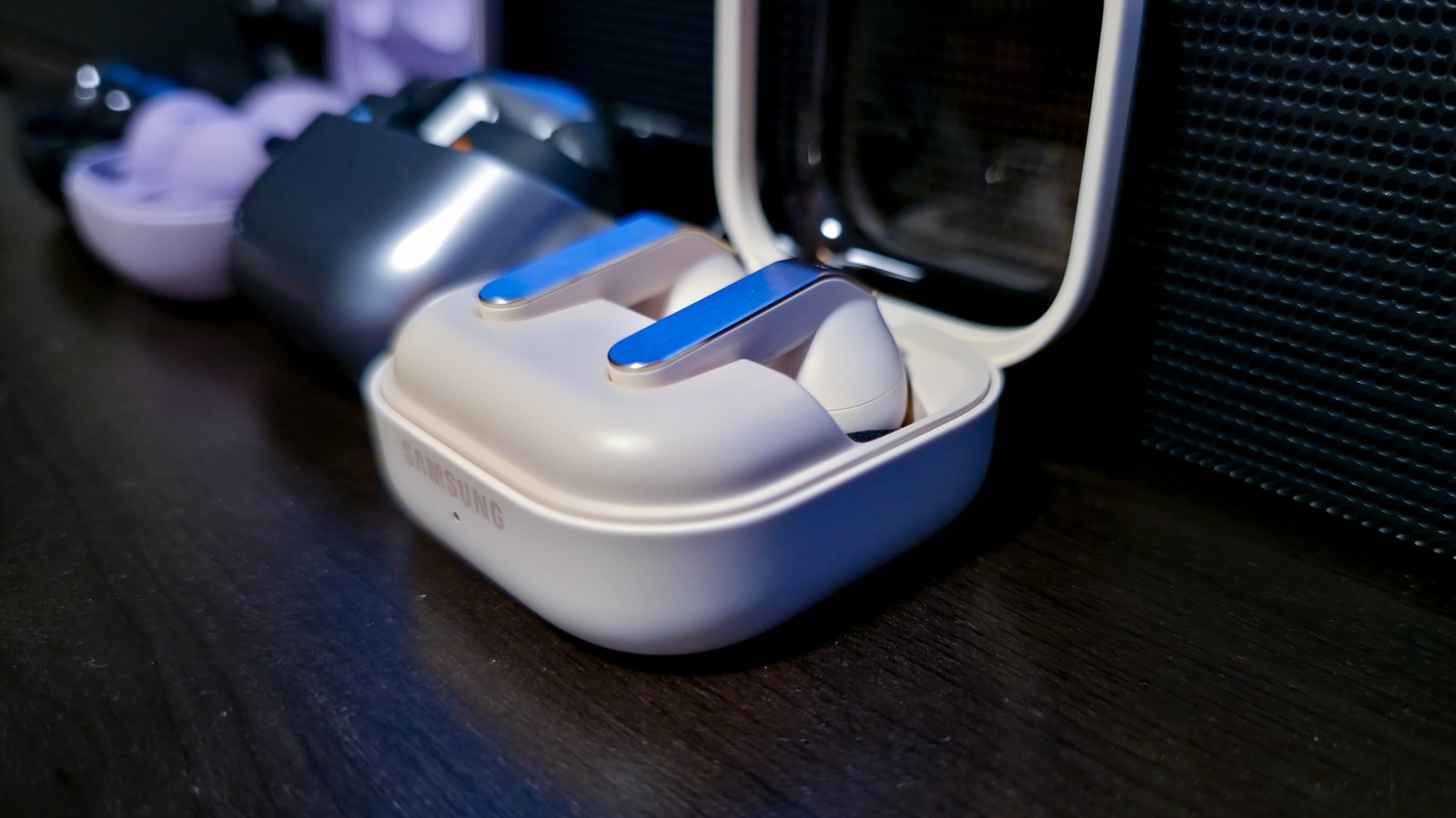
For ANC to be effective, a good passive seal is essential—for example, snug earcup pads. The more noise that is physically blocked, the less work the ANC processor has to do. That's why even the best ANC earbuds cannot attenuate as much as over-ear headphones: inserting something into the ear canal does not provide as much passive isolation as covering the entire ear.