How drones have reshaped the war in Ukraine and why armies still can't stop them
Ukrainian drone strikes on Russian oil refineries and transport infrastructure deep behind front lines have forced Russia's Defense Ministry to overhaul its air defenses. Current air defense and electronic warfare systems were not designed to counter modern drones, and both sides struggle to protect troops and rear areas.
Russian Defense Minister Andrei Belousov has promised to complete a new integrated, layered air defense system capable of countering drones across the entire country by November. Russia is not alone in this struggle. Ukraine, despite having built a similar system, still cannot fully protect its troops or rear. In the Middle East, Iranian drones continue to attack US and allied targets.
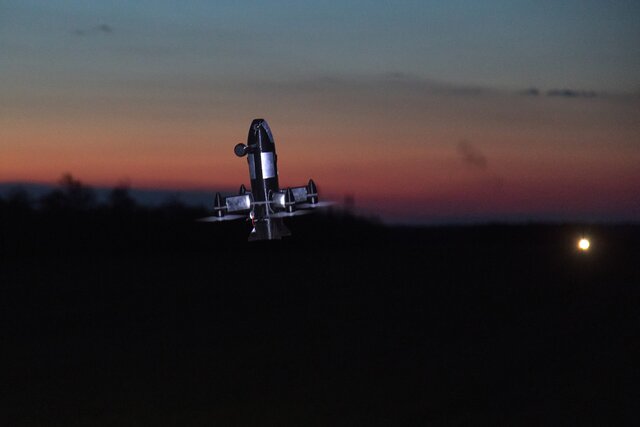
Drones have filled three previously empty niches. First, precision weapons, once exclusive to wealthy advanced militaries, are now available to almost anyone. Second, cheap drones allow for sustained high-intensity warfare because they can be stockpiled in large quantities. Third, drones have no natural predator—existing air defense and electronic warfare systems struggle to detect and destroy them.
However, drones have significant shortcomings. Their small payloads limit effectiveness against hardened targets. They require human operators, consuming scarce trained personnel. Drone units are difficult to integrate into combined-arms structures and are better at hitting individual targets than supporting complex offensive operations. This limits maneuver warfare, as adversaries can shelter in fortifications.
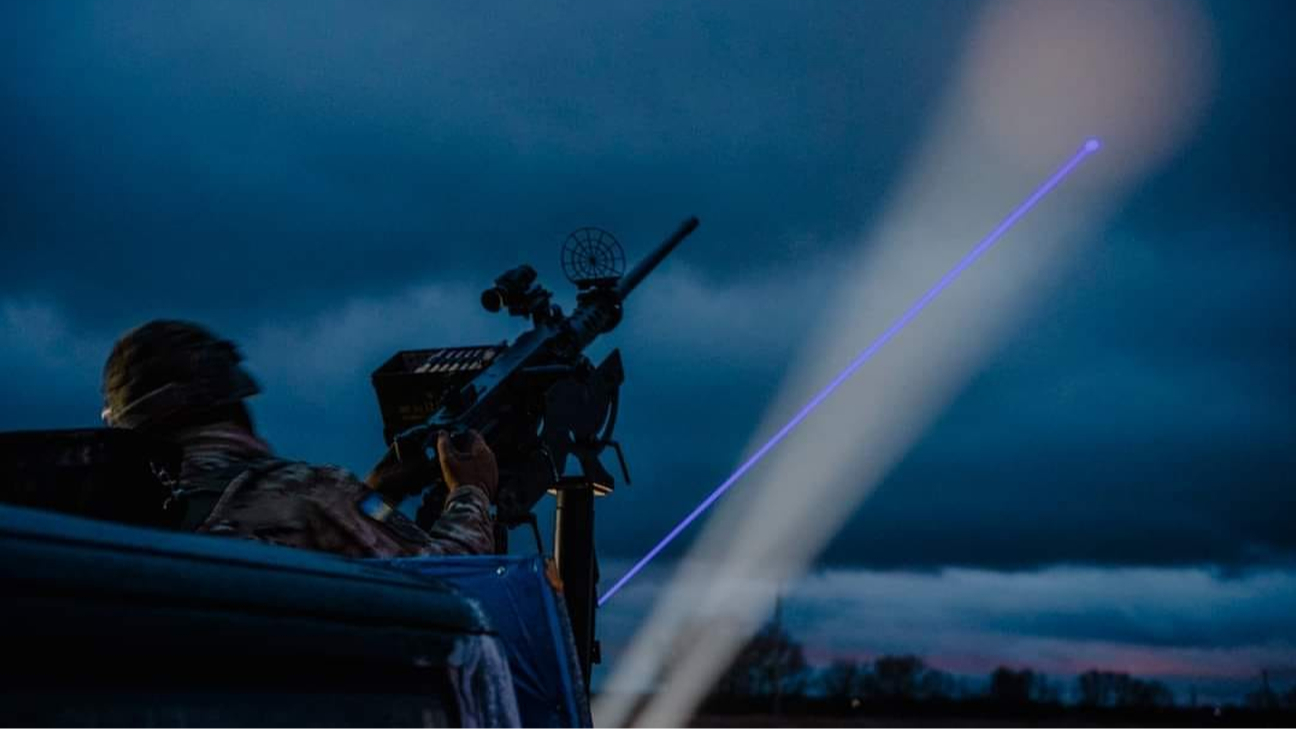
An effective anti-drone air defense requires three components: sensors operating on different physical principles; weapons with munitions comparable in cost to the drones; and information systems that fuse sensor data and cue weapons. Radar can detect drones but has limited range due to their low altitude and small size. At the front, active radars are vulnerable to enemy fire.
Drone technology and tactics evolve constantly, making a universal counter-drone system elusive. Military planners note this is a typical challenge: first develop individual components, mass-produce them, then adapt to different conditions against an ever-changing enemy.