How to Safely Descale a Kettle with Citric Acid, Vinegar or Store-Bought Products
Regular descaling of an electric kettle helps water heat faster and keeps drinks tasting right. The site Quora lists three methods and safety rules.
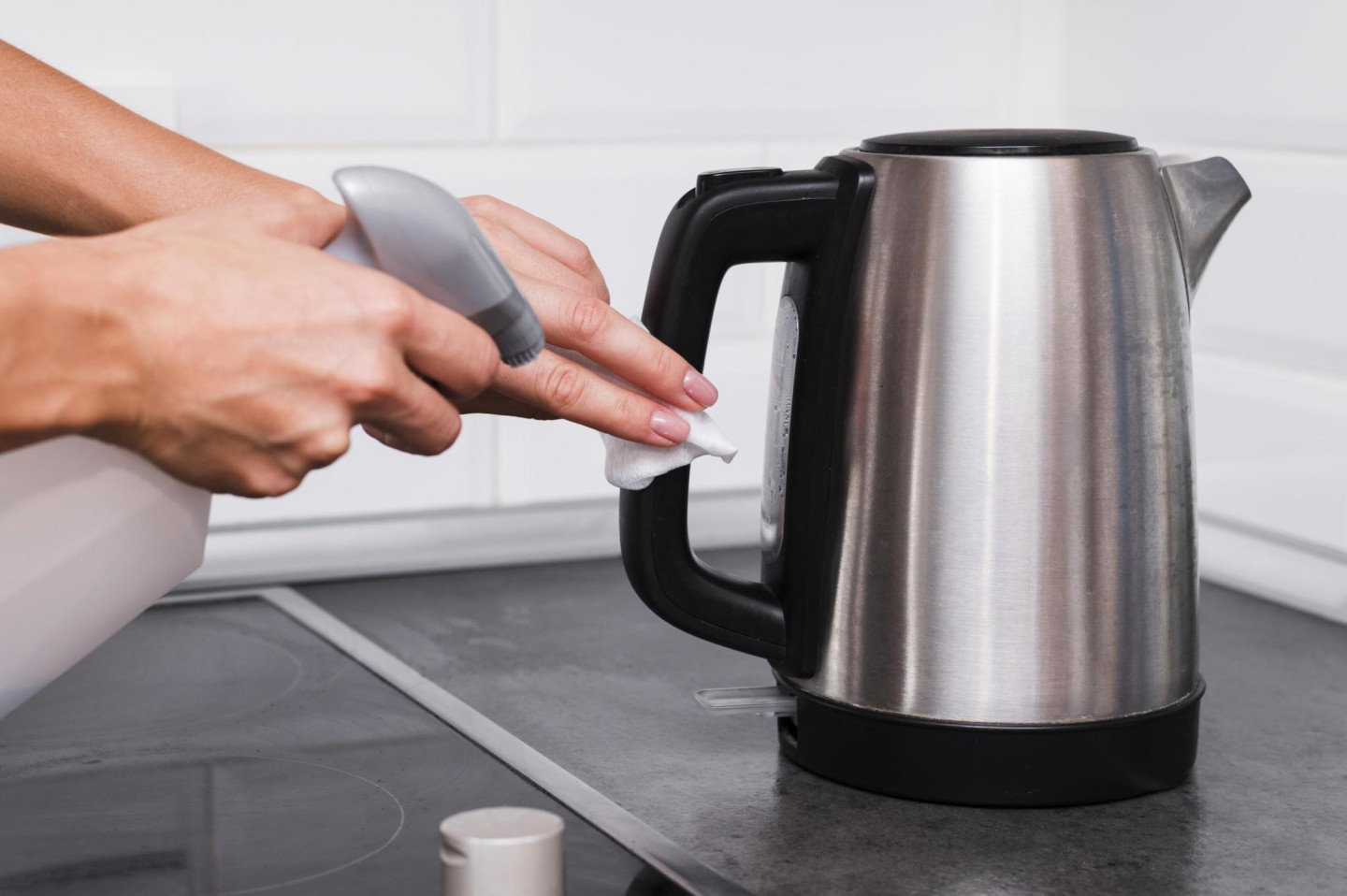
Regularly descaling an electric kettle, meaning removing limescale buildup, helps water heat up faster and preserves the taste of drinks. The website Quora outlines safe cleaning methods for households.
Before cleaning
First, read the kettle's instruction manual to find out which products and methods suit your specific model. During cleaning, the appliance should be unplugged, neither the kettle nor its base should be submerged in water, and the water level must stay between the minimum and maximum marks.
Citric acid
The citric acid method is described as one of the most popular and gentlest. Fill the kettle halfway with water and bring it to a boil. Then switch it off, unplug it and add one or two tablespoons of citric acid to the hot water. Leave the solution to work for about 15 to 20 minutes, let the kettle cool, pour out the liquid and rinse the kettle with clean water several times.
Vinegar
Only ordinary white vinegar with roughly 8% acidity should be used, never concentrated acetic acid. Many manufacturers recommend using this method without heating: pour about 500 millilitres of white vinegar into the kettle, leave it for an hour without switching the appliance on, then pour it out. To remove the smell and any residue, rinse the kettle five to six times.
Store-bought descalers
Specialised descaling products can also be used, strictly following the manufacturer's dosage and contact time. Afterwards, rinse the kettle and, if the instructions say so, boil and discard one portion of clean water.
What to avoid
Do not scrape limescale off with knives, metal brushes or other abrasive tools, and do not scrub the heating element. The removable limescale filter should also be cleaned regularly.
Descaling is recommended about once a month, and more often if the water is harder.


