How to Safely Recycle Your Old USB Cables
Instead of throwing old USB cables in the trash, it is better to use recycling options offered by large retailers, manufacturers and local drop-off points. Before getting rid of cables, it is worth deciding which ones to keep as spares, donate or sell.
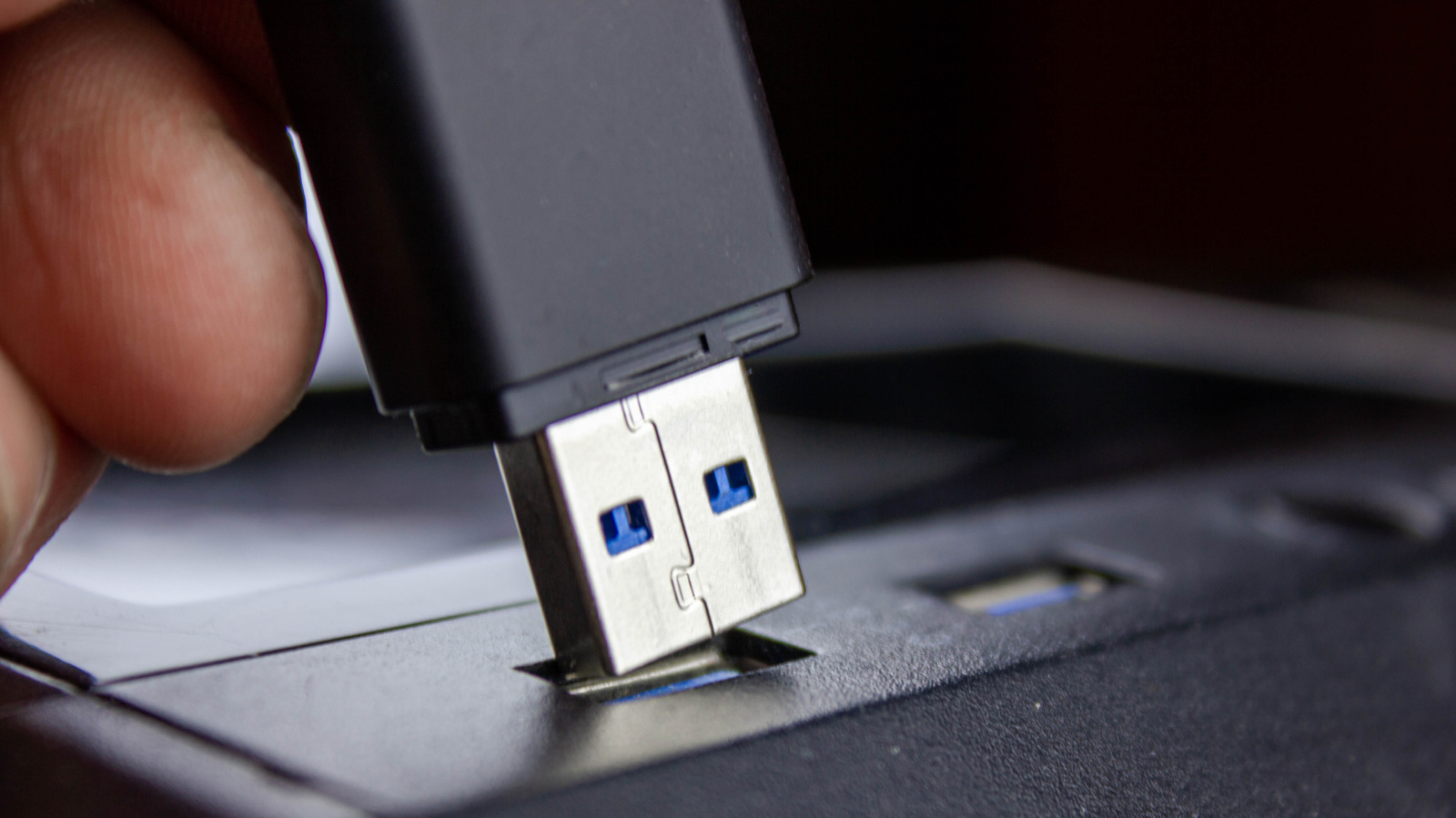
Today nearly every portable gadget ships with a USB cable, and the rise of USB-C has made traditional USB-A cords less necessary. Many households keep a drawer full of unused cables and accessories. Old cables should be discarded especially when they show frays, tears, breaks or overheat when plugged in, as they may no longer be safe.
Recycling old cables rather than throwing them away matters for the same reason as recycling other electronics. In landfills or incinerators, plastics and rubber can release harmful substances. Copper and aluminum in the wiring can be recovered and reused for products ranging from medical equipment to jewelry. That cuts the need for new copper mining, which consumes large amounts of energy and water. Working cables can also be passed on to someone else, supporting a circular economy.
In the US, several options exist. National chains like Staples and Best Buy run recycling programs that take cables at service desks or drop boxes. Best Buy also offers a mail-in service: customers buy a box that comes with tape, a prepaid UPS shipping label and instructions, fill it with old tech and send it from a UPS drop-off location. At Staples, cables can be handed in at the checkout counter, with a limit of seven items per day. Staples has a similar mail-in program using a purchased box and UPS drop-off.
Some manufacturers accept their own products for recycling, though they may not take a cable on its own. Local recycling depots can be found through databases such as The Battery Network, and local waste management facilities may accept cables. It is a good idea to wait until there is a full load of trash and recyclables before making a trip.
Not every old cable has to go. A few USB-A cables are worth keeping for legacy devices, power adapters and portable chargers. They can be stored in travel backpacks, carry-on luggage, car glove compartments or emergency kits. Mini-USB and micro-USB cables may also be useful for powering old cameras and tablets; one of each type is enough.
Some specialty cables, such as original Apple USB cables or PlayStation cables, are well made and expensive, so they may be sold. Alternatively, they can be given to friends, family, neighbors or donated to shelters, churches and other organizations. Thrift stores like Goodwill may accept working cables. For the cables kept, cable ties help keep the drawer organized. Do not keep ones that will never be used or exist in dozens; recycle the unwanted or unsafe ones.