How Mala Tokmachka became a symbol of resistance for 48 days
Ukrainian Special Operations Forces spent 48 days clearing and holding the village of Mala Tokmachka in Zaporizhzhia region without suffering losses. The settlement, home to about 3,000 people before the war, has become an internet meme, though a real story of resistance lies behind the jokes.
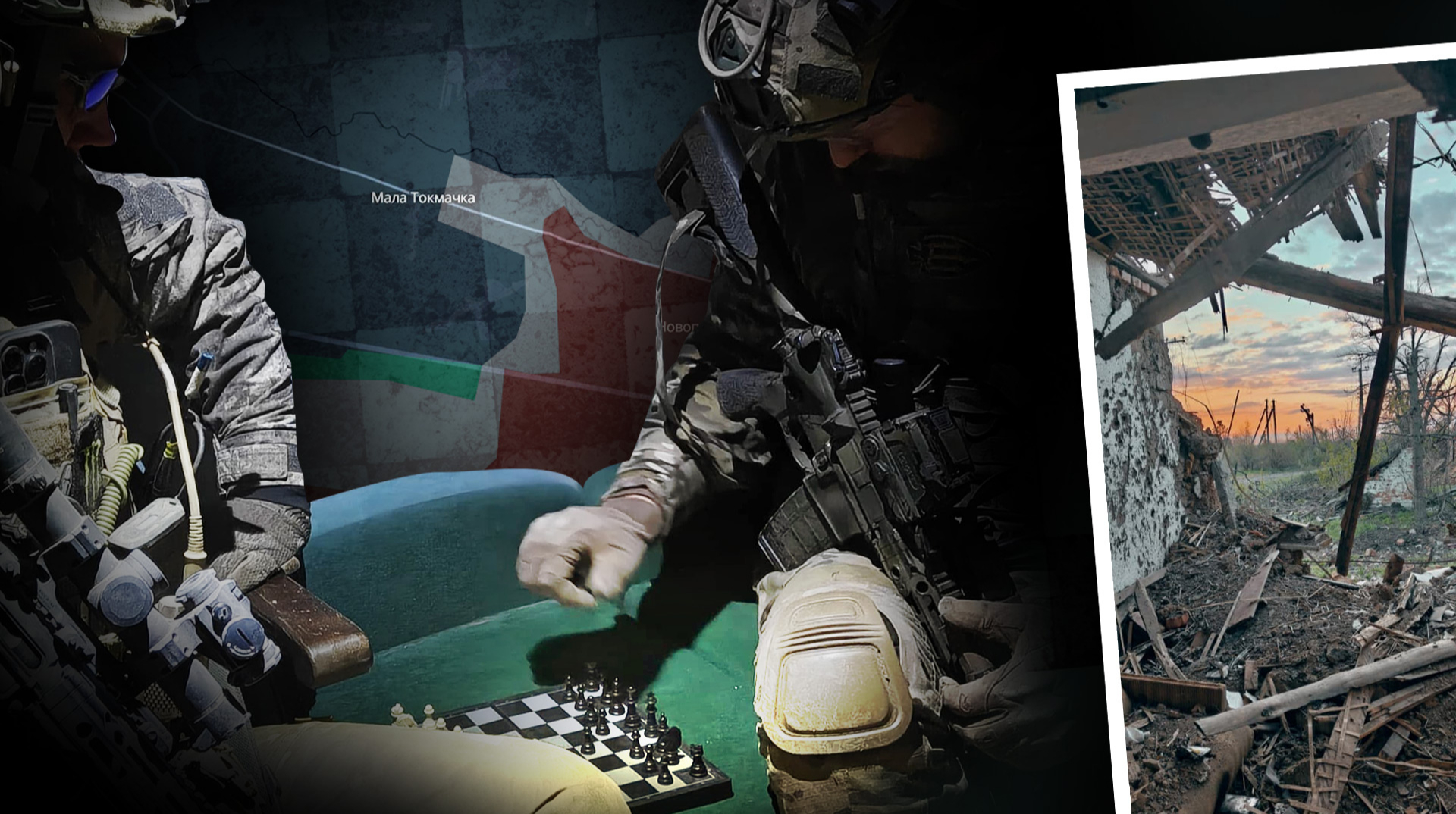
A small village of just 8 square kilometers in Ukraine's Zaporizhzhia region, Mala Tokmachka, has for months been the subject of internet memes and fabricated quotes. Behind the humor lies a serious fact: the village controls a strategically important approach to the city of Orikhiv, which in turn plays a key role in the defense of Zaporizhzhia. According to United24, the village has held out for more than 1,500 days — longer than the siege of Leningrad during World War II.
Russia has repeatedly claimed to have captured the village — in November 2025, Russia's defense minister even officially congratulated troops on taking it. However, according to DeepState data, the enemy has only managed to approach the village's southeastern edge.
A 48-day operation
In April 2026, fighters from the 3rd detachment of the 144th Center of Ukraine's Special Operations Forces were tasked with reinforcing troops of the 118th Mechanized Brigade defending Mala Tokmachka. Over three weeks, the unit cleared basements and buildings, reaching the village's eastern outskirts, where they set up observation posts. They left their positions at the end of May, after 48 days.
The insertion into the village was risky, using armored vehicles, and right after disembarking, one group was spotted by an enemy drone and attacked. No one was hurt, but explosions occurred just meters from the soldiers.
During the clearing operation, the fighters checked houses, basements and sheds, moving sector by sector and timing movements for poor visibility to avoid drones. They found no living enemy soldiers, but discovered large amounts of unexploded ordnance — aerial bombs, cluster munition remnants, and mines.
Supply was especially difficult — food and other items were delivered by drones and ground robots, which were frequently damaged or got stuck. In one case, an enemy drone destroyed a supply robot, leaving only a few packs of cigarettes and some chocolate bars tasting of fuel.
The task was completed four days ahead of schedule, and according to the fighters, the mission was successful mainly because no soldiers were lost either entering or leaving the positions — the withdrawal was made on foot in two groups, taking up to 14 hours in some cases.