How to prevent your phone from overheating in the car
An overheating phone can suffer internal damage or even lead to battery thermal runaway. Here are practical tips to cool it down and reduce heat generation while driving.
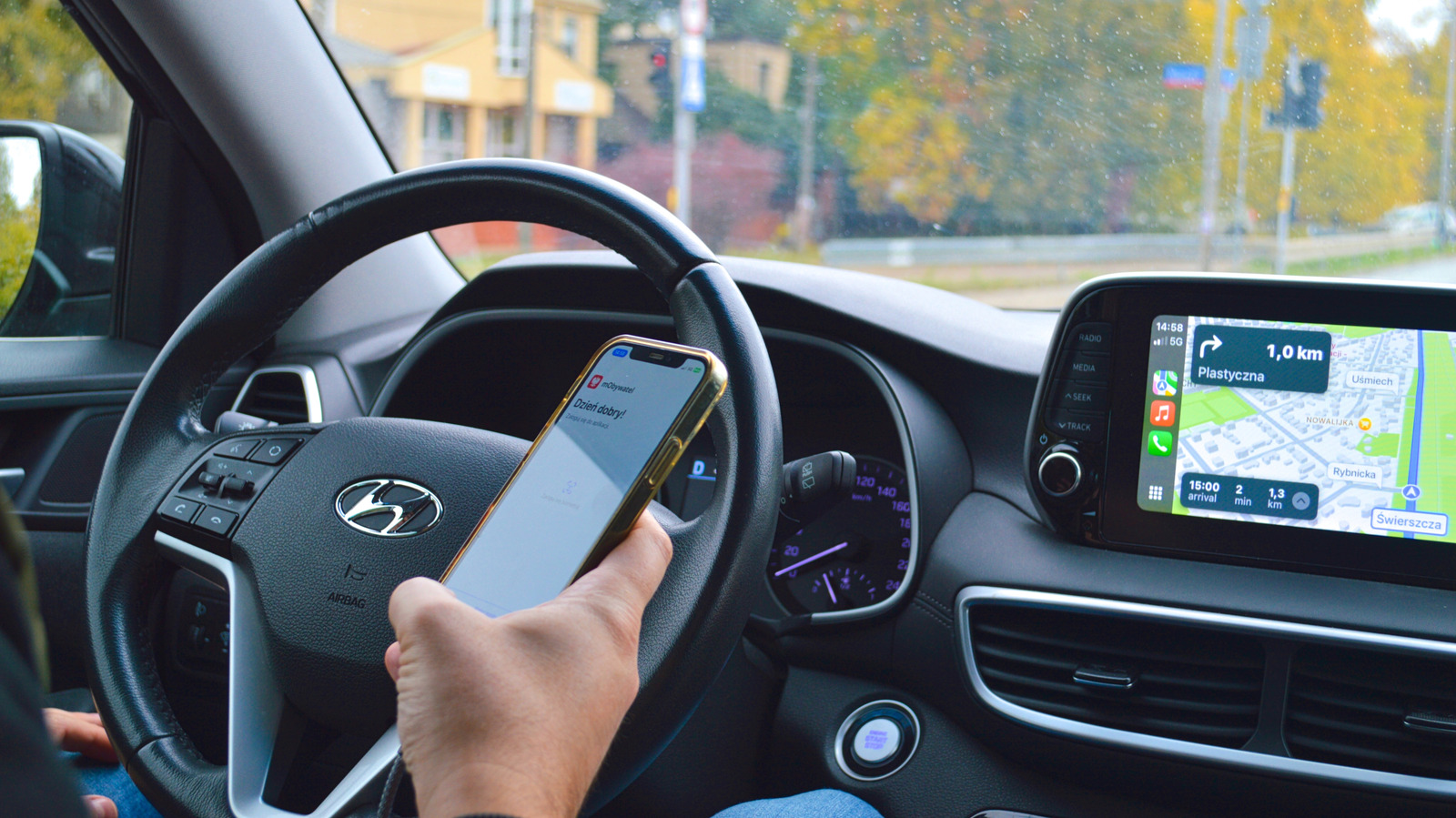
An overheating phone can be a serious issue. At best, it can damage internal components or weaken the adhesive holding the screen and backplate together. In extreme cases, an overheated battery may experience thermal runaway, leading to a dangerous chemical reaction or even an explosion — a phenomenon also known as battery swelling or the "spicy pillow." Cars are enclosed metal spaces that heat up easily, so leaving a phone exposed to direct sunlight, such as on a dashboard mount, is a common mistake.
To cool the phone from the outside, you can use the car's air vents. If you need to mount the phone for navigation or calls, position it so that the air conditioning flows directly onto its back, acting like an active cooler. However, avoid cooling it too rapidly, as this could cause condensation inside the device and irreversible damage. A better option is to store the phone somewhere out of the sun. Removing a protective case made of plastic or silicone also helps, because these materials insulate the phone and prevent heat dissipation. When leaving the car, take the phone with you — not only to prevent overheating but also to avoid potential theft.
Phones generate their own heat, and passive cooling systems like vapor chambers may not always be sufficient. Charging increases heat production, and wireless charging is especially problematic because it is less efficient and releases more heat. To minimize the risk, avoid charging the phone in the car. Reducing phone usage also helps: skip on-screen navigation on familiar routes, lower screen brightness, turn off unused features like Wi-Fi, and avoid CPU-intensive tasks such as video editing or gaming. If the phone does overheat, the immediate priority is to turn it off and move it out of direct sunlight.