How to protect your tech from lightning strikes
Thunderstorms can damage computers, TVs and other electronics. Experts recommend unplugging devices and using surge protectors.
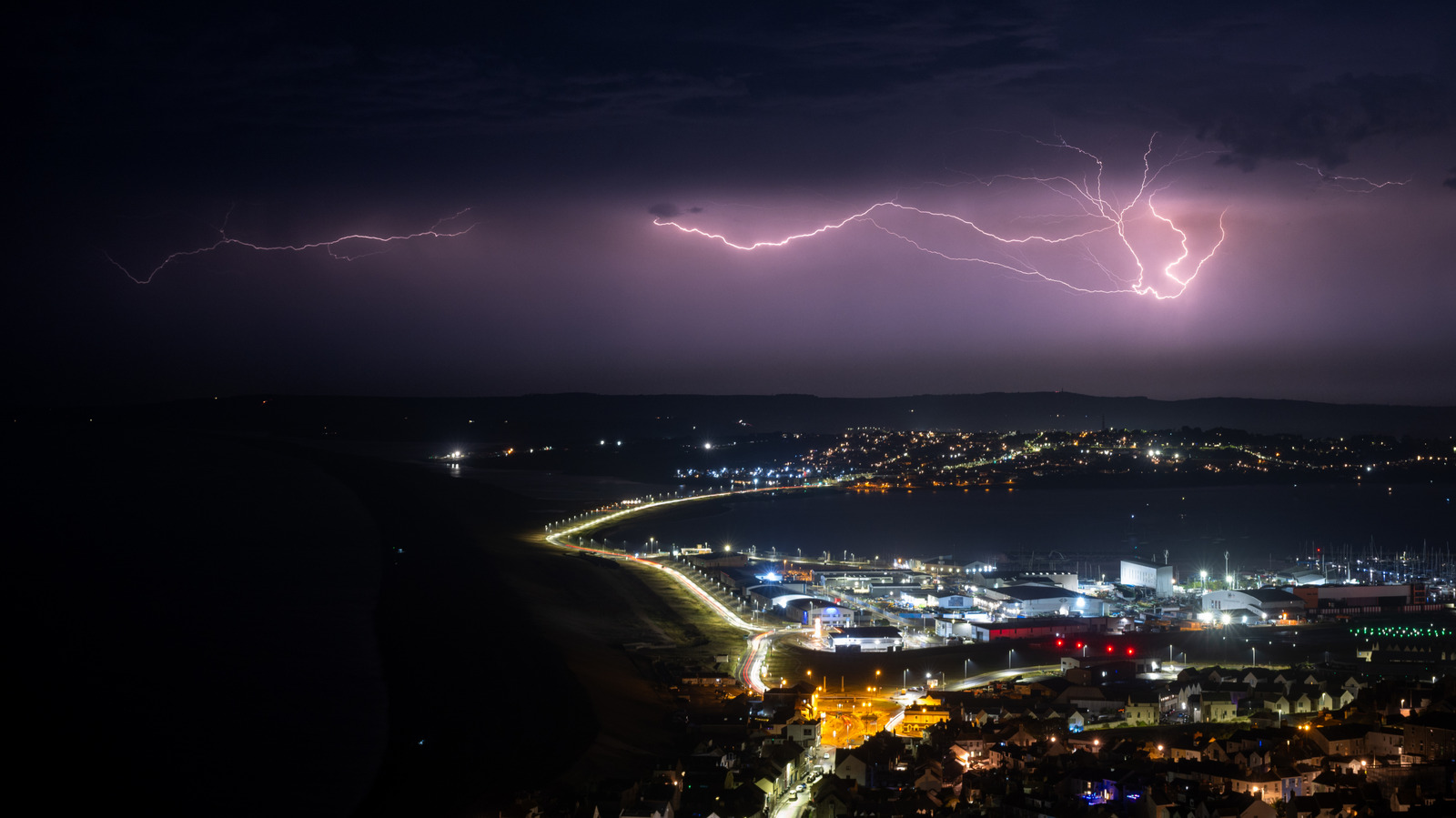
According to the U.S. Centers for Disease Control and Prevention (CDC), lightning strikes can send a massive power surge through electrical wiring, damaging sensitive electronics. Lightning can also travel through a building's plumbing and metal wires in walls or floors. Even a nearby strike can induce a voltage spike strong enough to harm computers, TVs and gaming consoles.
To protect your devices, the Federal Emergency Management Agency (FEMA) advises unplugging everything when a storm approaches. This is the easiest and most affordable step. Prevention is also key. Investing in surge protectors is a first line of defense. These devices divert excess voltage away from plugged-in equipment. When choosing a surge protector, look for a Joule rating of at least 2,000 for a computer and a clamping voltage under 400 V (lower is better).
For large appliances that must remain plugged in (e.g., refrigerators), consider an Uninterruptible Power Supply (UPS), which acts as a middleman and provides battery backup. Another option is whole-home surge protection installed in the electrical panel. In storm-prone areas, lightning rods or a lightning protection system may be necessary. FEMA also recommends plugging major appliances directly into wall outlets rather than extension cords, which can overheat.
In 2021, residential electrical fires caused over $1.2 billion in property losses in the U.S. While storm frequency and intensity are increasing due to climate change, proactive measures can significantly reduce risk.

