Simple ways to slow down ice buildup in your freezer
Experts outline several straightforward methods to reduce ice and frost buildup in freezers after defrosting. Key factors include controlling moisture, checking the door seal, and proper food storage.
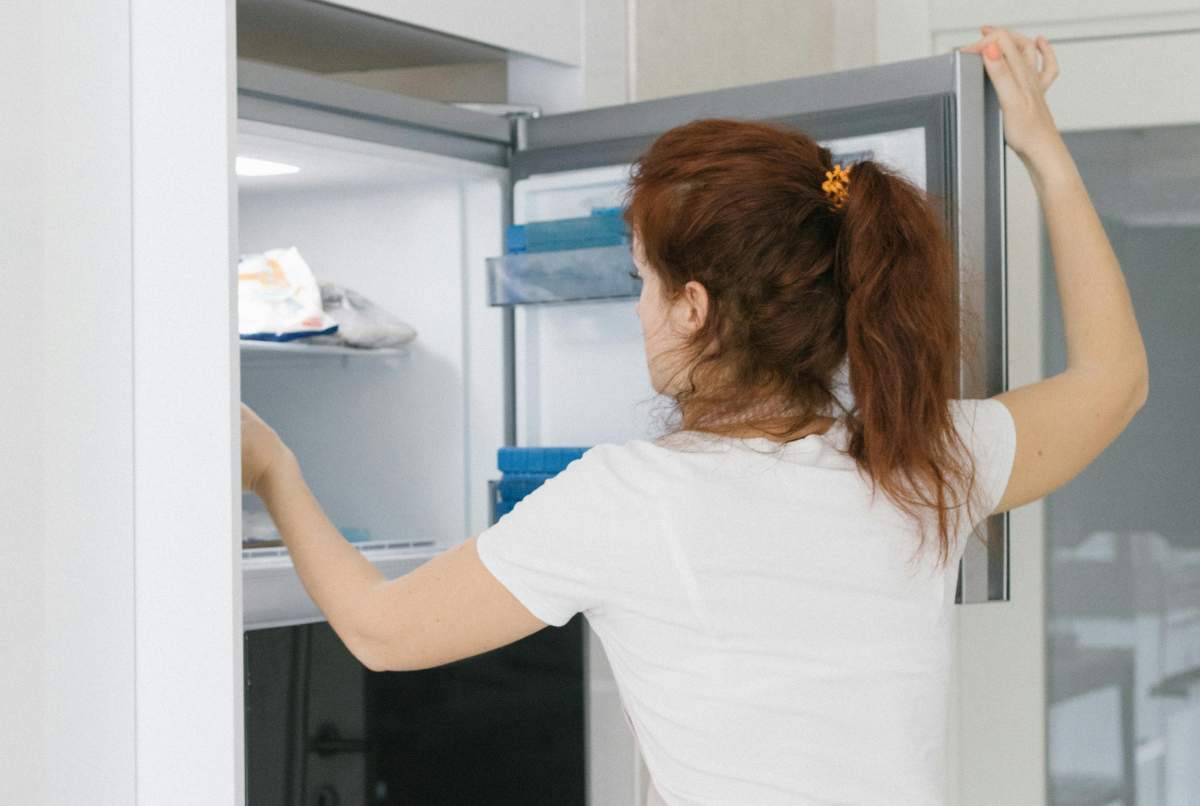
Freezers that require manual defrosting often develop a growing layer of ice and frost on their walls over time, taking up space and making it harder to open drawers. While this buildup usually cannot be eliminated entirely, proper care can significantly slow it down.
Start with a full defrost
If a thick layer of ice has already formed, the freezer should be emptied, unplugged, and left to defrost completely with the door open, allowing the ice to melt naturally. For some models, the process can be sped up with a container of hot water placed inside, though the device's manual should be checked first. Ice should never be chipped away with sharp metal tools, and hairdryers or other electric heaters should not be used inside, as both risks damaging the interior coating or the cooling system.
Once defrosted, the interior should be washed with warm water and a mild dish soap, wiped with a damp cloth, and thoroughly dried — paying special attention to corners and seams where moisture tends to collect.
The glycerin trick
After the freezer is clean and dry, a thin layer of ordinary glycerin can be applied to the smooth interior walls with a soft cloth. Glycerin mixes well with water, and the resulting mixture freezes at a lower temperature than pure water, which is thought to slow frost formation. However, this does not address the root cause — moisture entering the freezer.
Why ice keeps coming back
The main culprit is warm, humid air entering every time the door is opened; this moisture condenses and freezes on the cold surfaces. It helps to keep the door open as briefly as possible and to organize food so it can be found quickly, while making sure nothing blocks the door from closing fully.
Seal and storage tips
If ice reappears quickly after defrosting, it's worth checking the rubber door seal by closing a sheet of paper in the door — it should offer some resistance when pulled. A damaged seal should be replaced. Warm food should be cooled before freezing, items should be kept in sealed containers, and the freezer should not be overpacked, as this can block vents or prevent the door from closing properly.

/nginx/o/2026/09/03/17893233t1ha54d.jpg)