How is the Wimbledon schedule decided? Behind the scenes
The Wimbledon schedule is a complex balancing act involving broadcast needs, player rotation, audience appeal, and historical traditions, with decisions made daily by a dedicated committee.
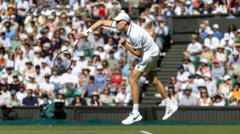
Setting the daily order of play at Wimbledon is a complex operation influenced by numerous factors. The schedule is determined by match referees and the Order of Play Committee, typically confirmed around 18:00 BST for the following day.
Key considerations include broadcast requests, player rotation, which event a player might also be competing in, potential next-round opponents, and which matches are best suited for each court. Player welfare and preparation for sudden changes due to poor weather are also taken into account. Organisers aim for a fair balance of men's and women's singles, as well as doubles and mixed doubles.
On the show courts—Centre Court and Number One Court—an effort is made to feature the best players and best matches. However, this can create a dilemma between prioritising higher-ranked players or those who draw larger audiences. Tickets for show courts are more expensive, so price is a factor. Additionally, British players may receive some preferential treatment given the tournament is held in London.
To keep the programme synchronised, players on the same side of the draw typically play on the same days. On show courts, organisers try to limit matches perceived as one-sided before they begin.
Suspended matches are never scheduled as the first match of the next day to allow players more recovery time after being on court late. Why don't show courts start earlier than 1pm (or 1.30pm for Centre Court)? Organisers say this ensures as many spectators as possible are seated when matches begin, allows guests to wander the grounds and watch outside courts, and gives people living outside London time to travel. The roofed show courts are rarely suspended due to the 11pm curfew.
Why no floodlights on all courts? The tournament has a limited evening schedule due to agreements with the local council. Grass courts are delicate, and floodlights can affect moisture, deteriorating the surface. Matches on grass tend to be shorter, reducing the need for floodlights. Wimbledon is primarily an outdoor daytime event, so poor light stopping play is not common. Both main courts have roofs and lighting until the 11pm curfew. This article is from BBC Sport's Ask Me Anything series.