How should parents react to a teenager's first love? Expert advice
Relationship coach Kristaps Ozoliņš explains why parents should take a teenager's first romantic feelings seriously and how to keep their child's trust during this stage.
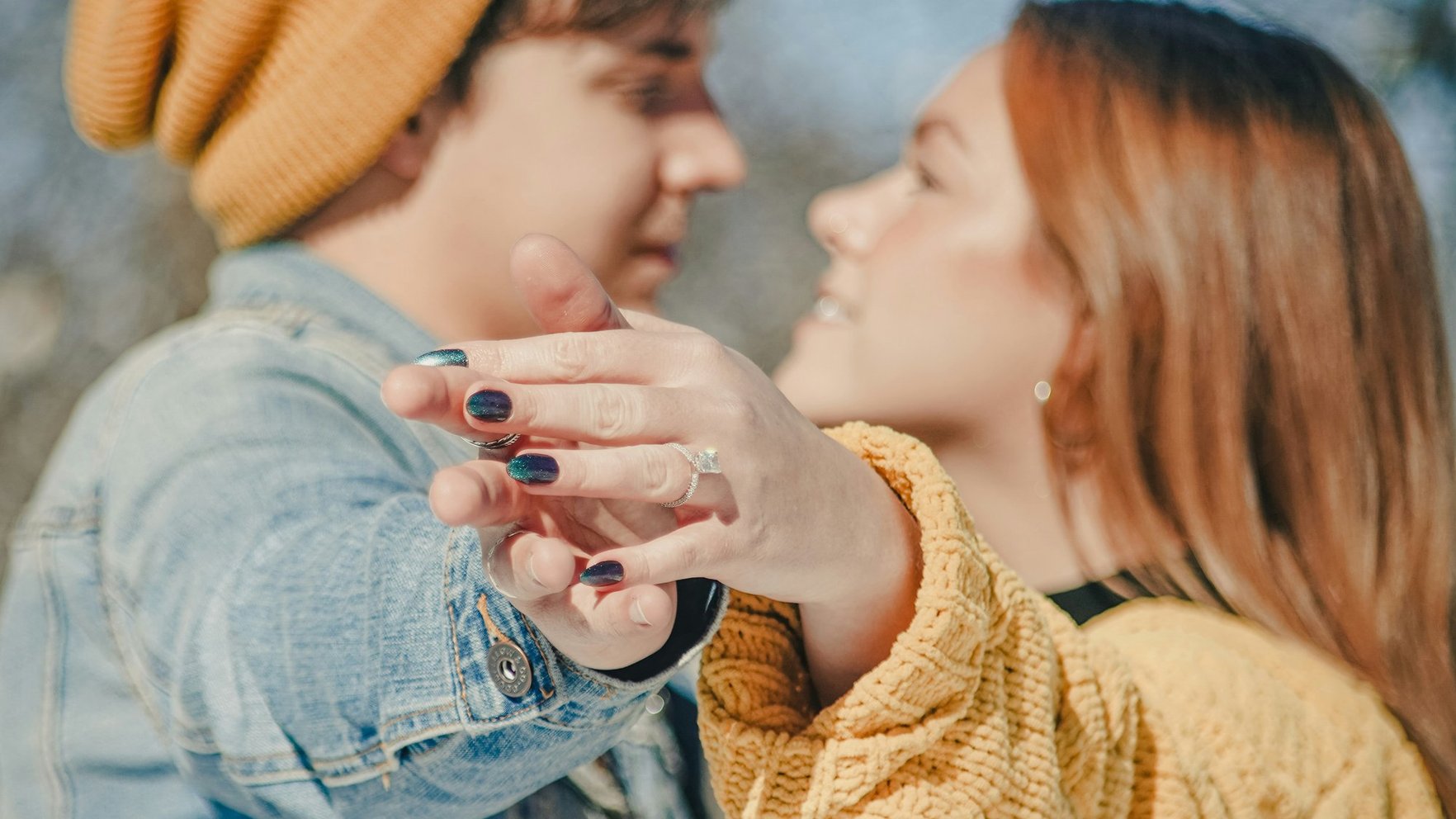
A teenager's first experience of falling in love is a significant moment not only for the young person but also for their parents, who often feel uncertain about how to respond. Emotional-competence child-care coach and preventive relationship-education specialist, trainee psychologist Kristaps Ozoliņš shared his perspective on the topic.
According to Ozoliņš, children typically become aware of differences between genders and start showing interest in the opposite sex around fifth or sixth grade. At this stage, the environment surrounding the child becomes especially important, as this is when childish interests begin giving way to early relationship dynamics.
Family sets the example
Ozoliņš emphasizes that the family itself is the primary environment shaping a child's understanding of relationships. The way parents communicate and treat one another becomes a model the child absorbs, forming their own idea of what love and partnership look like. In this sense, parents act as leaders whose actions and emotions directly influence how their child perceives relationships.
Openness matters
The expert stresses that parents should always be ready to answer their child's questions, even if they seem overly direct or uncomfortable, including questions about sexuality. If parents react with shock or rejection, the child will look for answers elsewhere, most often online, where the information may be inaccurate or misleading.
Ozoliņš notes that if parents have built a healthy relationship with their child from an early age, the young person will remain open with them regardless of age. Conversely, if a grown child makes major life decisions that come as a complete surprise to the parents, it signals that trust issues have been building for years.
/nginx/o/2026/09/22/17931856t1hb03a.jpg)
/nginx/o/2026/07/10/17774026t1h642b.jpg)