How to care for skin with rosacea, acne and dermatitis in winter
Arta Tone, a beauty consultant at Apotheka, explains how people with rosacea, acne or dermatitis can reduce skin discomfort in the cold season. She stresses gentle care and continuing any treatment prescribed by a doctor.
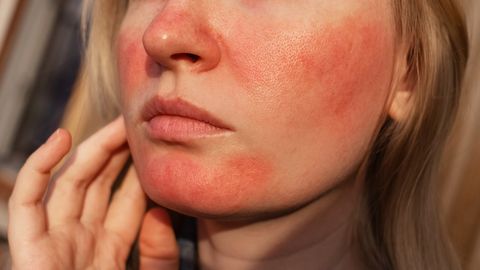
Winter skin care becomes harder for people with rosacea, acne or dermatitis: outdoors, cold and wind irritate the skin, while indoors dry air and overheating do the same. Arta Tone, a beauty consultant at the pharmacy chain Apotheka, explains how to adjust daily habits to ease discomfort without harming the skin.
She notes that when skin starts to flake, many people want to scrub it and apply a stronger product, but this can harm sensitive, inflamed skin. It is worth checking whether the skin is being cleansed too intensively and whether it gets suitable moisturising. Treatment prescribed by a doctor must be continued, since a care cream does not replace it.
Why skin is more demanding in winter
The outer layer of the skin helps retain moisture and protects against the environment. Cold, dry air and low humidity during the heating season can weaken this barrier, and hot showers, frequent washing and irritating cosmetics can make dryness worse. Rosacea, acne and dermatitis are different problems, so one cream will not suit everyone.
Rosacea
Rosacea is a chronic inflammatory skin disease most often seen in people aged 30 to 55. Flare-ups can be triggered by weather, ultraviolet radiation, stress and certain foods or drinks. Cold and wind, but also heat and hot drinks, can intensify flushing. Outdoors the face can be covered with a soft scarf, and indoors outer clothing should be removed in time. A gentle cleanser and lukewarm water are suitable, with fragrance-free cosmetics. Sun protection is needed in winter too: a broad-spectrum product with SPF of at least 30.
Acne
Oily skin can also lose moisture, and benzoyl peroxide, salicylic acid and retinoids used to treat acne can increase dryness. Skin should not be degreased further; a moisturiser should be part of the routine. The face should be washed twice a day, avoiding alcohol lotions and scrubs. For treatment questions, consult a dermatologist or pharmacist.
Dermatitis
With atopic dermatitis, dryness and itching can worsen during the heating season, so regular care is needed. A short warm shower is advised, with moisturiser applied to still-damp skin and moisturising at least twice a day. Hands should be cared for after every wash, and gloves worn outdoors.
When to see a doctor
A consultation is needed if skin keeps cracking, itches severely, disturbs sleep or complaints recur. A painful, hot or swollen patch, pus or fever may indicate infection, and help should then be sought urgently.
The article was produced in cooperation with Apotheka.