What Water-Resistance Rating Should You Look for in a Bluetooth Speaker?
When buying a Bluetooth speaker, its IP rating for dust and water resistance can make a real difference. Here's a breakdown of which ratings actually matter for everyday use, from rain to showers.
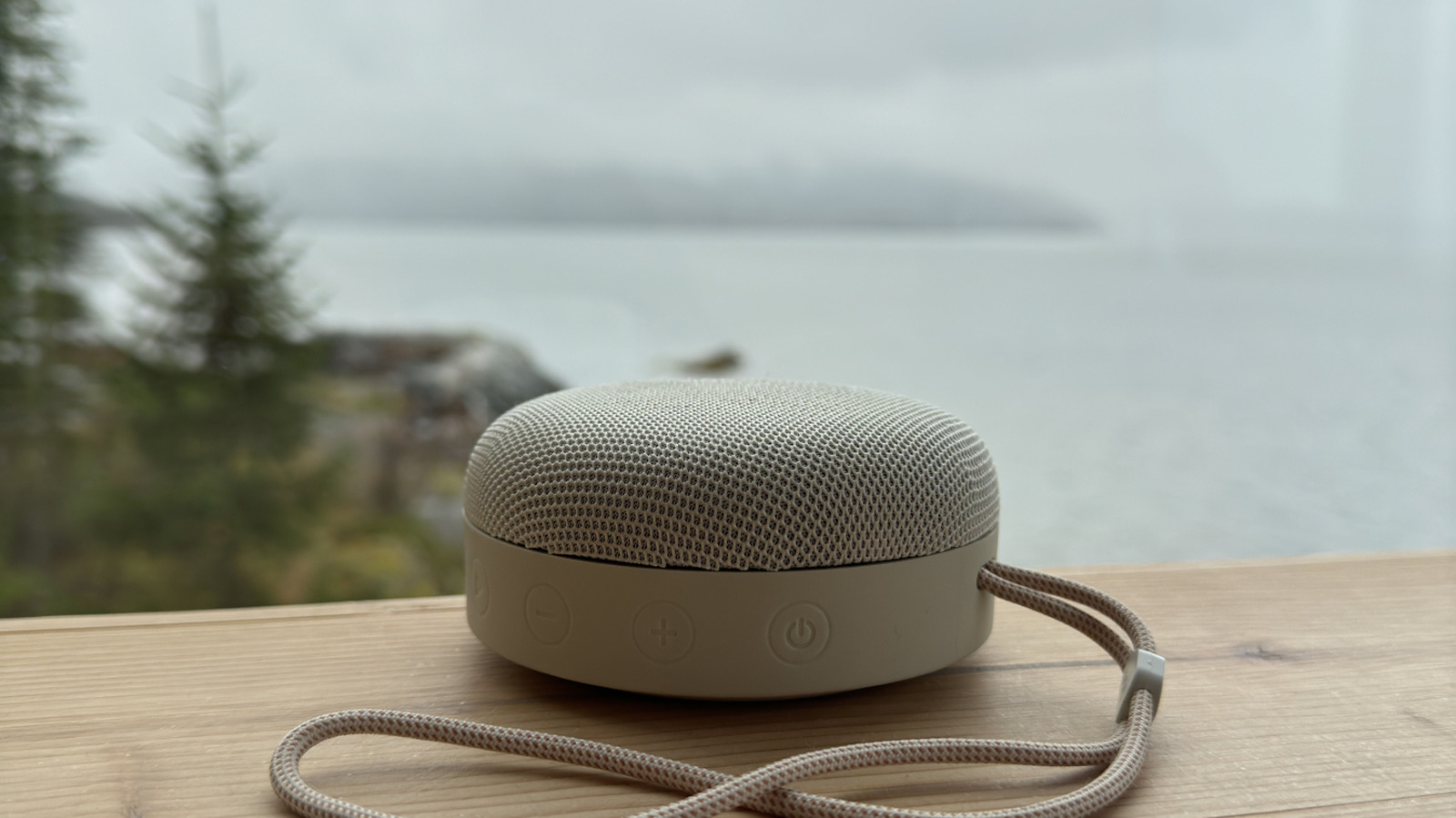
Portable Bluetooth speakers are built for life on the move, but moisture is always a risk — whether from a sudden rain shower, a spilled water bottle, or a day at the beach. That's why it pays to check a speaker's IP (Ingress Protection) rating before buying.
Understanding the numbers
An IP rating consists of two digits: the first indicates resistance to dust, on a scale of 0 to 6, while the second indicates resistance to water, on a scale of 0 to 9. An IP56 rating, for example, means strong dust protection combined with resistance to powerful water jets.
Which ratings matter
The theoretical maximum for water resistance is a rating of 9, with IP69 offering the best all-around protection. In practice, though, this rating is rare and mostly limited to specialized equipment. Among well-known, high-quality speakers, IP67 or IPX7 are the most common ratings — the "X" meaning the manufacturer skipped dust testing. Speakers with these ratings can handle not just splashes but brief submersion in water.
A step up, IP68, is less common but still attainable among reputable brands — the JBL Charge 6, one of the top-rated speakers on the market, carries this rating. It allows for longer and harsher submersion than IP67, though even IP68 doesn't mean a device is fully waterproof.
Matching the rating to your needs
Ratings of 7 or 8 in the second digit typically hold up to serious submersion, similar to what's found in swimming headphones. Still, plenty of high-end devices come with lower protection, around a 2 rating, so the right choice depends on intended use. For shower use, at least an IPX6 is recommended, with IPX7 preferable. For rain, IPX5 is generally sufficient, while even IPX2 can withstand brief exposure. Overall, a 7 rating for water resistance covers most everyday scenarios and is fairly common among premium speakers.