Neighbours will be jealous: a simple trick to change hydrangea colour
The colour of garden hydrangea blooms largely depends on soil pH and aluminium content, and gardeners can shift it by adjusting soil acidity. The change requires patience, and not every variety responds.
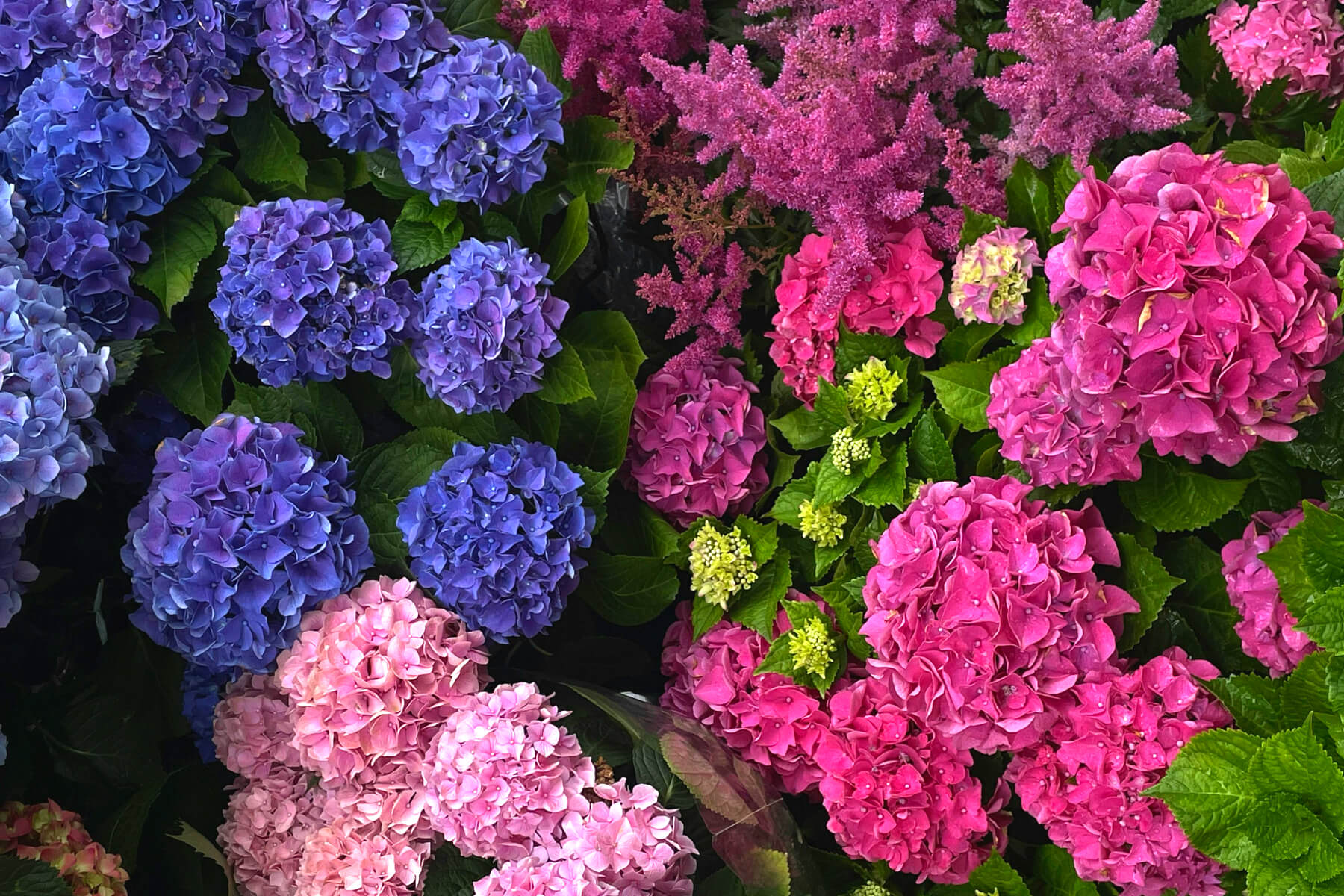
Hydrangeas are among the most striking garden plants, with their large, spherical blooms drawing attention for weeks. Several garden hydrangea varieties can change flower colour depending on the soil's pH level – an intense blue shade can turn pink over time, while pink flowers may turn purple or fade.
How soil affects colour
Hydrangea flower colour is determined by soil pH and how available aluminium is to the plant's roots. In acidic soil with a pH of 4.5–5.5, aluminium ions are available to the plant, producing blue or purple flowers. In alkaline soil with a pH above 6.5, aluminium becomes unavailable to the roots, and the hydrangeas bloom pink. In mildly acidic conditions, with a pH of 6.0–6.5, purple or mixed-coloured flowers can appear.
How to change the colour
To achieve a blue shade, gardeners can acidify the soil using aluminium sulfate, acidic peat, or fertilisers formulated for blue hydrangeas. To restore a pink shade, the soil's pH needs to be raised, for example by adding lime. Using the right water also matters – rainwater is preferable, avoiding hard water with a high calcium content. The effect doesn't appear immediately – the colour change can take several months and depends on the specific variety.
Not every hydrangea changes colour
It's worth remembering that only certain garden hydrangea varieties are capable of changing colour. Panicle hydrangeas and tree hydrangeas always bloom white or greenish and do not react to changes in soil pH. Still, creating the right conditions in the garden can produce a beautiful visual effect as well as the satisfaction of a successful gardening experiment.


/nginx/o/2026/03/31/17538054t1h62fe.png)