Kallas drops plan for new EU defence panel after last-minute pressure
EU foreign policy chief Kaja Kallas cancelled the Monday unveiling of a new high-level defence panel after member states pushed back over the weekend. The group was reportedly set to be led by former NATO Secretary General Anders Fogh Rasmussen.
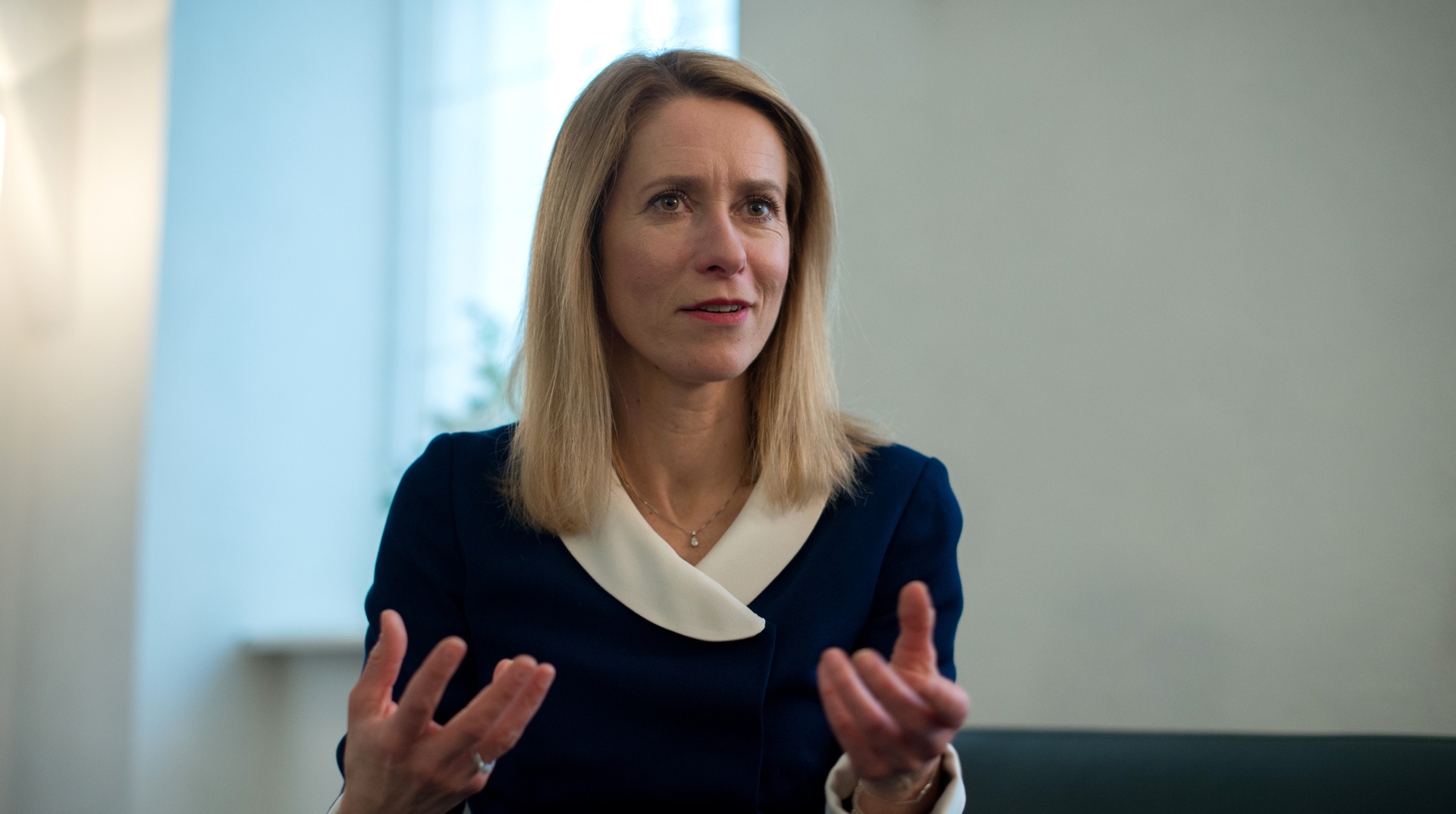
European Union foreign policy chief Kaja Kallas was forced on Sunday, after what was described as a fierce struggle, to abandon plans for a new high-level defence advisory group whose launch had been scheduled for Monday morning in Brussels. The development was reported by Ukrainska Pravda's European Pravda, citing Politico.
Kallas had described the planned group as gathering the "brightest minds" to develop ideas for closing gaps in EU defence capability as quickly and effectively as possible. However, several diplomats reportedly viewed the initiative as part of broader resistance to Kallas's wider agenda.
Pressure from capitals
Kallas has been locked in a tense dispute with the European Commission over these plans, but according to one EU official, the immediate reason for scrapping the initiative was pressure from certain member state capitals. Some member states reportedly felt this was not the right approach at this time. Following discussions with ministers, it was decided not to proceed with the initiative, with officials now looking for new ways to engage member states instead.
What had been planned
The Monday morning event in Brussels was expected to draw around 150 people from EU institutions, think tanks, academia and NATO. Kallas's office had kept the group's membership confidential, but according to three diplomats, the panel was expected to be chaired by former NATO Secretary General Anders Fogh Rasmussen and include former defence ministers.
Wider context
Kallas is also leading behind-the-scenes opposition to Franco-German proposals to reform the European External Action Service, which she heads. On paper, those proposals would strengthen Kallas's formal role, but her allies fear they could instead give the European Commission greater control over foreign policy. On 1 September, Kallas had announced plans for a separate high-level group made up of former political and military leaders from European countries and Ukraine to work on the bloc's defence capabilities.