Why a prebuilt PC could be the smarter buy in 2026
Soaring memory and GPU prices driven by AI data center demand have made custom-built gaming PCs disproportionately expensive, making prebuilt systems the better value in many cases. Industry experts don't expect the shortage to ease soon.
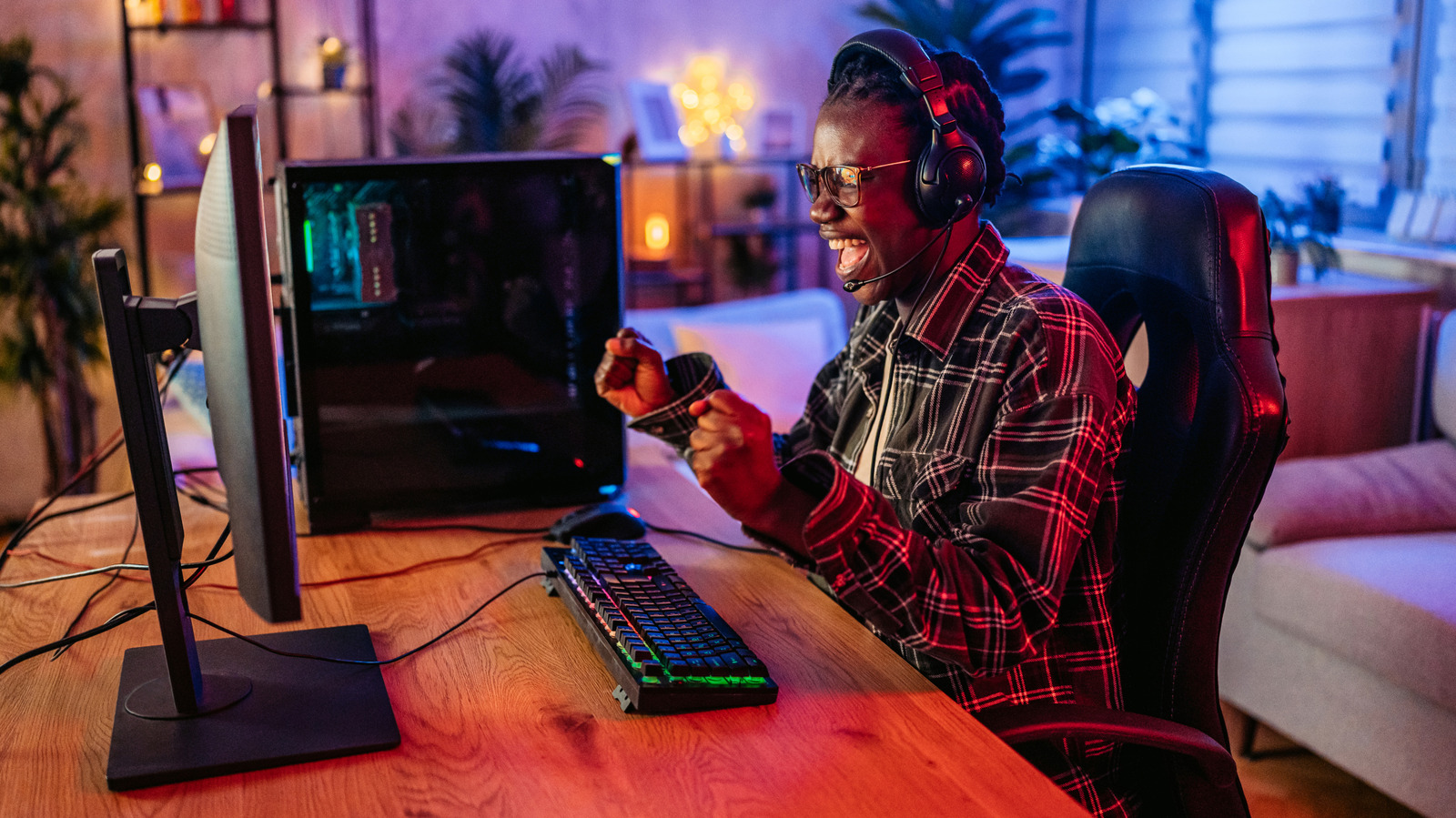
Component prices have surged as corporations pour money into building AI data centers, putting heavy pressure on the memory and processor markets. As a result, assembling a custom gaming PC has become prohibitively expensive, and while prebuilt machines aren't cheap either, they currently offer better value in many cases.
Graphics cards illustrate the trend most sharply — the fastest consumer GPU, which cost around $2,700 when it launched in 2025, is now listed for several thousand dollars more. RAM and storage prices have also climbed sharply. Market experts don't expect the memory shortage to end anytime soon.
Advantages of prebuilt PCs
The main appeal of prebuilt systems is convenience — they work right out of the box, come with a single warranty covering the whole machine, and arrive with Windows already set up. Manufacturers typically buy components in bulk, allowing for lower prices, and most haven't yet fully passed rising costs on to consumers. The downside is limited control over individual components, which can make future upgrades harder.
Advantages of custom builds
Building your own PC offers full control over every component and can be a rewarding process for those willing to invest the time. However, it requires patience and a willingness to troubleshoot technical issues, so it isn't the right choice for everyone.
What $2,000 can buy
With a budget of around $2,000, it's possible to build a gaming PC capable of handling 1440p gameplay at high frame rates, using components such as an AMD Ryzen 7 9700X processor for under $350 and a Radeon RX 9070 XT graphics card for $700-800. The remaining budget would cover a case, 16GB of RAM, a 1TB SSD, a power supply and a motherboard.