Why a Bluetooth headset may hurt your gaming experience
Bluetooth audio introduces noticeable latency that can hurt timing-sensitive gaming, making 2.4GHz wireless or wired headsets a better choice for competitive play. Bluetooth remains fine for everyday listening and calls, just not for precise in-game reactions.
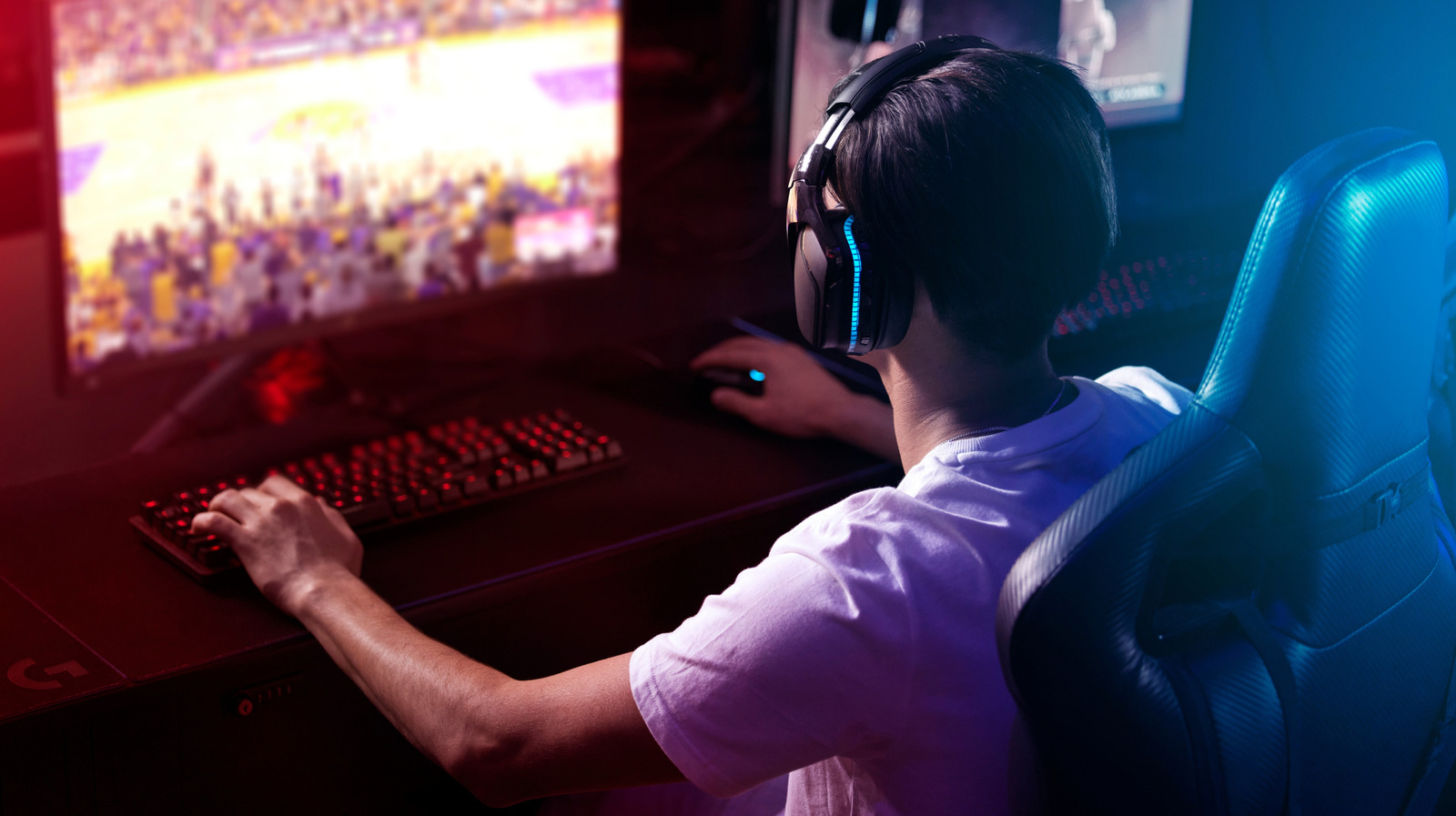
Bluetooth headsets are convenient for everyday use — they pair easily, work with almost any device and eliminate cable clutter. But for gaming, that convenience comes with a cost: Bluetooth audio carries noticeable latency, which can cause missed timing windows and audio cues that arrive too late to react to.
How much latency is involved
Standard Bluetooth adds roughly 200ms of audio latency in real-world use, though the exact figure depends on the codec, device and implementation. Some low-latency Bluetooth codecs can reduce this, but support varies across devices. For comparison, average human visual reaction time is around 220-280ms, while auditory reaction time is usually faster, at 170-220ms. That means even a modest Bluetooth delay can effectively double the time needed to react to an audio cue such as a gunshot or footsteps.
Another drawback is that activating the microphone for voice chat forces Bluetooth into a lower-bandwidth mode, degrading game audio quality. On top of that, consoles like the PS5 don't support native Bluetooth audio at all.
Better alternatives: 2.4GHz and wired
2.4GHz wireless headsets use a USB dongle to create a dedicated connection that's generally faster and more stable than Bluetooth, with latency under 20ms for most gaming-grade models — fast enough that most players can't tell the difference from wired. These headsets tend to cost more, and some require a model matched to a specific console.
Wired headsets, meanwhile, offer negligible latency, no battery concerns and no risk of wireless dropouts. They're often cheaper too, while delivering more consistent sound quality than wireless options at a similar price. Wired audio also works directly with console controllers like the PS5's DualSense and standard Xbox pads, which include a built-in 3.5mm jack.
The takeaway: for performance-focused gaming, wired is the safest bet, while 2.4GHz is the better option for those who want to stay cable-free, with Bluetooth best kept as a secondary feature for everyday use.