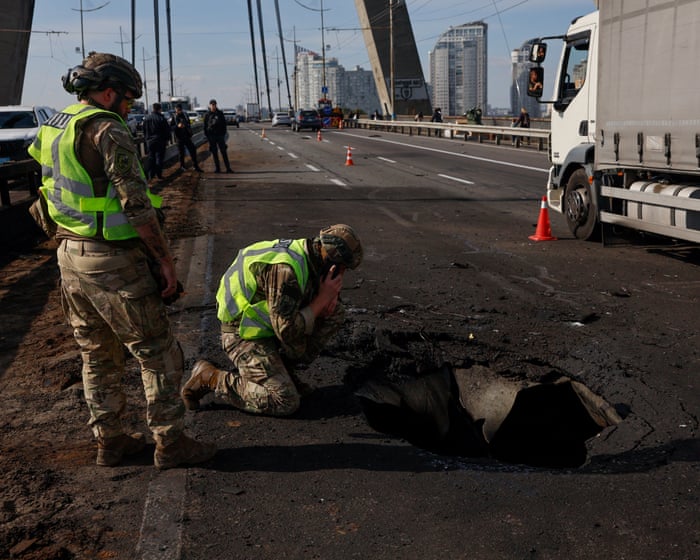
Why ballistic missile warnings in Ukraine sometimes come after strikes: explanation
Serhiy Beskrestnov, an advisor to Ukraine's Defense Minister, explained that delays in missile alerts are due to imperfections in satellite surveillance and data transmission systems, as well as the very short flight time of the missiles.

Serhiy Beskrestnov, an advisor to Ukraine's Minister of Defense and a radio technology specialist known by the call sign “Flash,” has explained on social media why air raid warnings for ballistic missile attacks sometimes sound after impacts have already occurred, including in Kyiv.
He stated that all information about missile launches or preparations for launches comes from international partners. The exact method of obtaining this information is not disclosed, but according to Beskrestnov, the main sources are satellite observation of launch sites and a launch detection system.
The expert noted that a missile reaches Kyiv in 2–4 minutes, leaving very little time for warnings. Any system failure delays information reception, and no system is perfect, so the alarm signal may be late.
False alarms are also frequent – a warning is issued but no launch occurs. This happens because satellites detect activity at launch sites that precedes launches, but the actual launch may not happen for some reason. Beskrestnov recalled similar cases with warnings about the “Oreshnik” missile.
As previously reported, Kyiv has repeatedly experienced powerful explosions before the air raid alert was sounded, including on the night of July 11.