Why keeping your PC on the floor could shorten its lifespan
Experts warn that placing desktop towers on the floor speeds up dust buildup and overheating, which can significantly cut hardware lifespan. Simple fixes like elevating the case can protect expensive components.
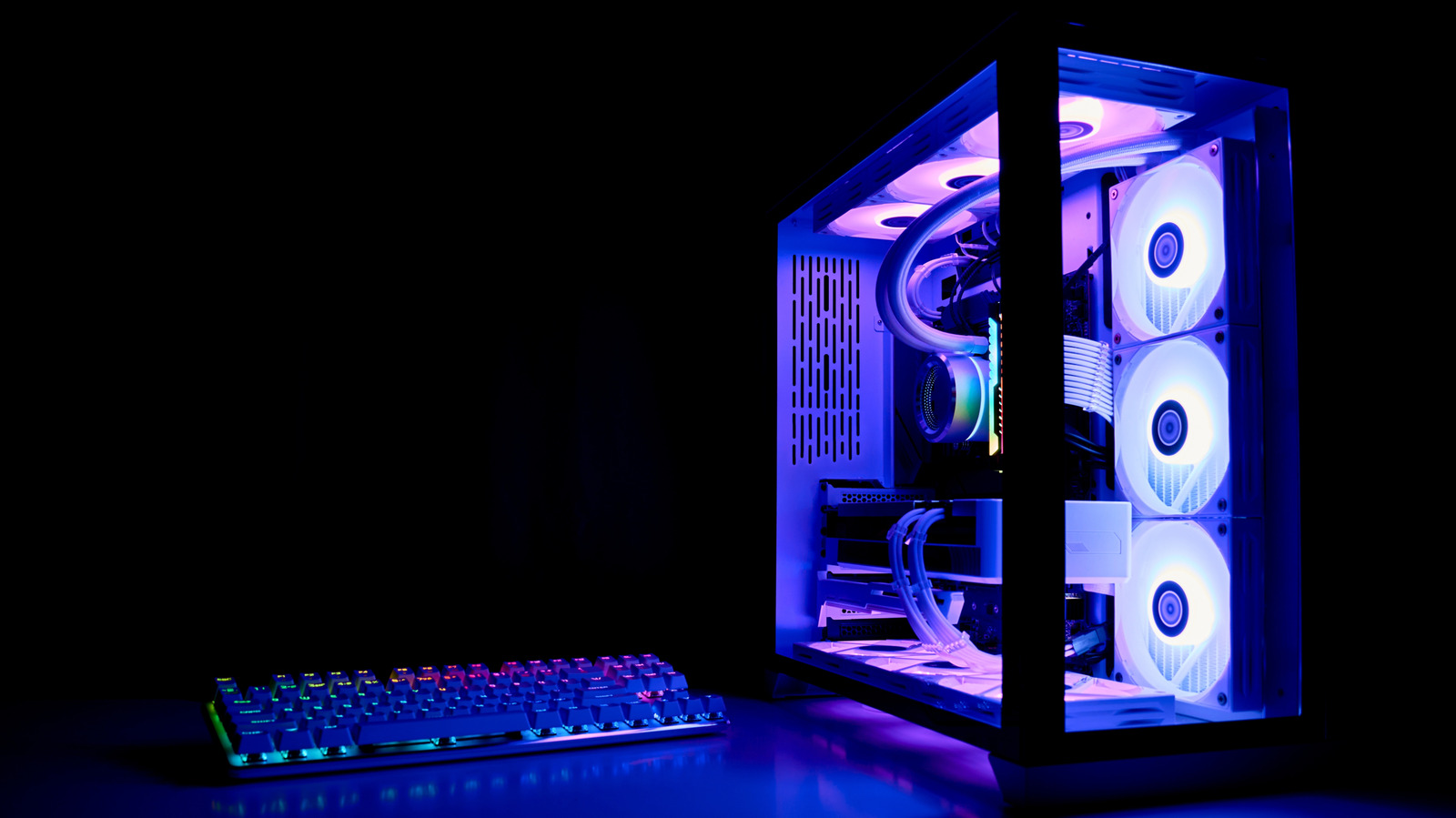
Many people tuck their PC tower under the desk simply because it's convenient — large cases often don't fit on the desk surface itself. But this common habit can quietly damage performance and shorten a system's lifespan.
The dust problem
Floors collect far more debris than desks or shelves, including carpet fibers, pet hair, skin cells and pollen. When a PC sits directly on the floor, its intake fans pull this debris straight into the case, where it settles on heatsinks, filters and internal circuits over time. This buildup insulates components that need to stay cool, forcing fans to work harder to maintain normal temperatures.
As heat rises, the system increasingly relies on thermal throttling, a safety mechanism that lowers processor speed to prevent damage — often causing slowdowns at the worst moments, such as during gaming. Sustained high temperatures also accelerate capacitor wear and thermal paste breakdown, meaning a PC built to last six to eight years could fail in roughly half that time.
Pushing the tower too close to a wall creates an additional problem, blocking intake and exhaust airflow paths and forcing fans to spin louder while wearing out faster.
What to do instead
If floor placement is unavoidable, a dedicated PC stand can keep intake fans away from ground-level dust. It's best to avoid carpeted or humid areas, opting instead for a hard floor surface paired with a stand or wheeled cart. Leaving several inches of clearance from walls and furniture allows rear exhaust vents to function properly, and regular cleaning — including a thorough deep clean with compressed air every few months — helps maintain long-term performance.