Why new gadgets should have USB-C rather than micro USB
Tech outlet Engadget advises choosing USB-C over the older micro USB standard when buying new devices. Existing micro USB gadgets do not need to be replaced, though.
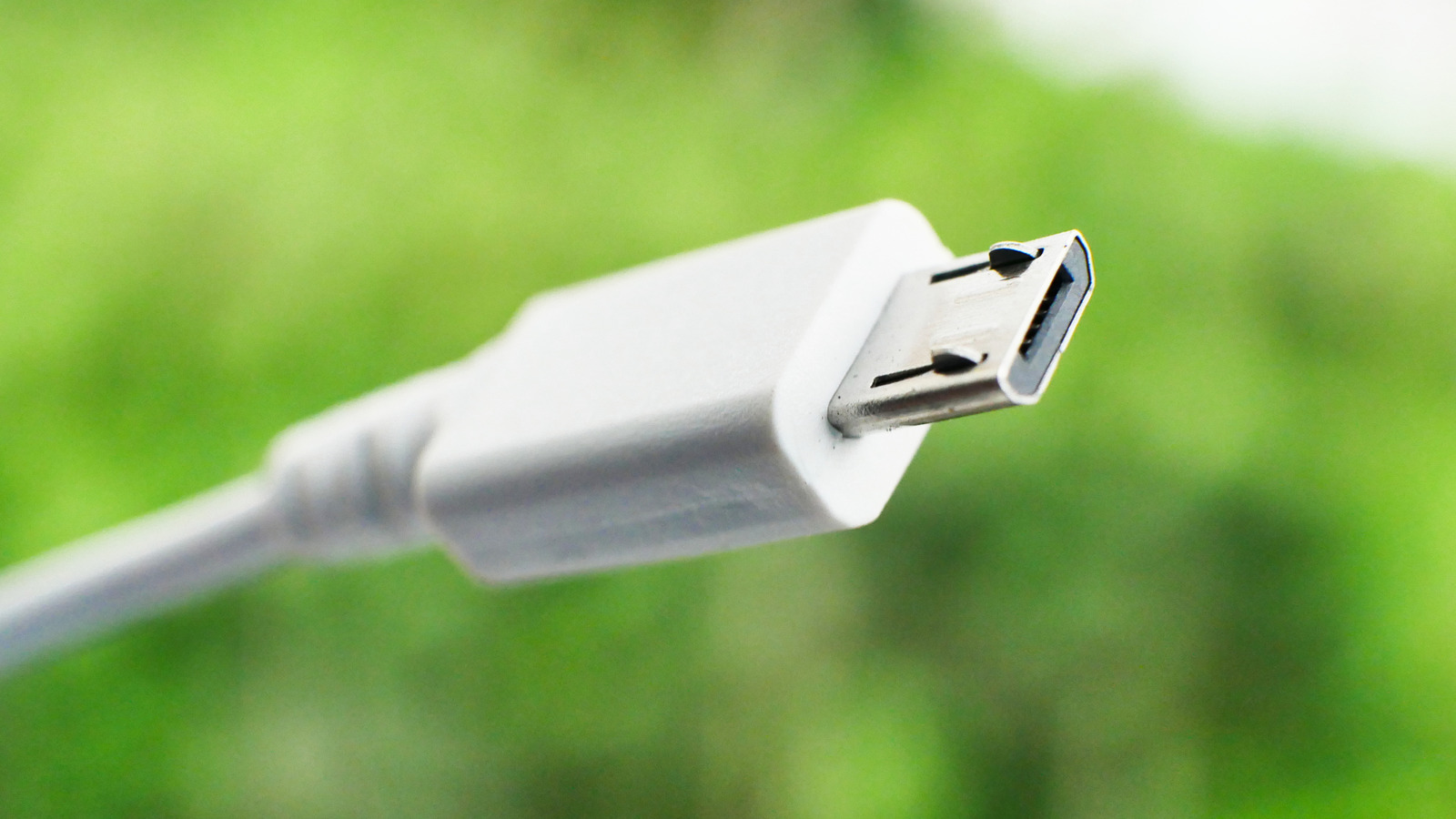
Technology site Engadget recommends buying new electronics with a USB-C port and avoiding micro USB where possible. Micro USB is an older connector standard that helped bring USB charging and data transfer to smaller devices, but today it falls behind in speed, power and convenience.
Where micro USB falls short
Micro USB dates to 2007, while USB-C arrived in 2014. According to the article's author, a micro USB port often signals that a product is old or that its maker cut corners. Even cheap USB fans have moved to USB-C.
Data speeds over micro USB typically top out at the USB 2.0 limit of 480 Mbps. USB 3.0 offers 5 Gbps, and USB 4 starts at 40 Gbps. Micro USB wall chargers are unlikely to deliver more than 7.5W, while some laptops and Android phones use USB-C to exceed 100W. Devices that fully use the USB PD (Power Delivery) charging standard can reach 240W.
Compatibility is another issue: separate cables take up space in a bag and occupy outlet slots. Micro USB plugs are not reversible, and their pins bend more easily. New smartphones and computers will not have micro USB ports.
When micro USB is still fine
For some categories, micro USB is not a serious drawback. Wireless earbuds with small batteries can charge quickly even at 7.5W, and 480 Mbps is enough for files under a gigabyte. The author cites Apple's Powerbeats3 earbuds, which gave an hour of listening after five minutes of charging.
Devices already owned need not be thrown away, which avoids spending money and creating e-waste. An older Kindle, flashlight or game controller can simply be paired with a dedicated charging cable.
When buying new, the author recommends USB-C for better performance and possible long-term savings. For example, the Powerbeats3 offered up to 12 hours without a case, while the Powerbeats Pro 2, with a USB-C charging case, provide up to 45 hours of total playback.