Why RAM prices have skyrocketed — and won't come down soon
Memory prices have surged dramatically over the past 18 months as AI companies buy up most of the world's RAM manufacturing capacity. Industry executives warn the shortage could persist well into the next decade.
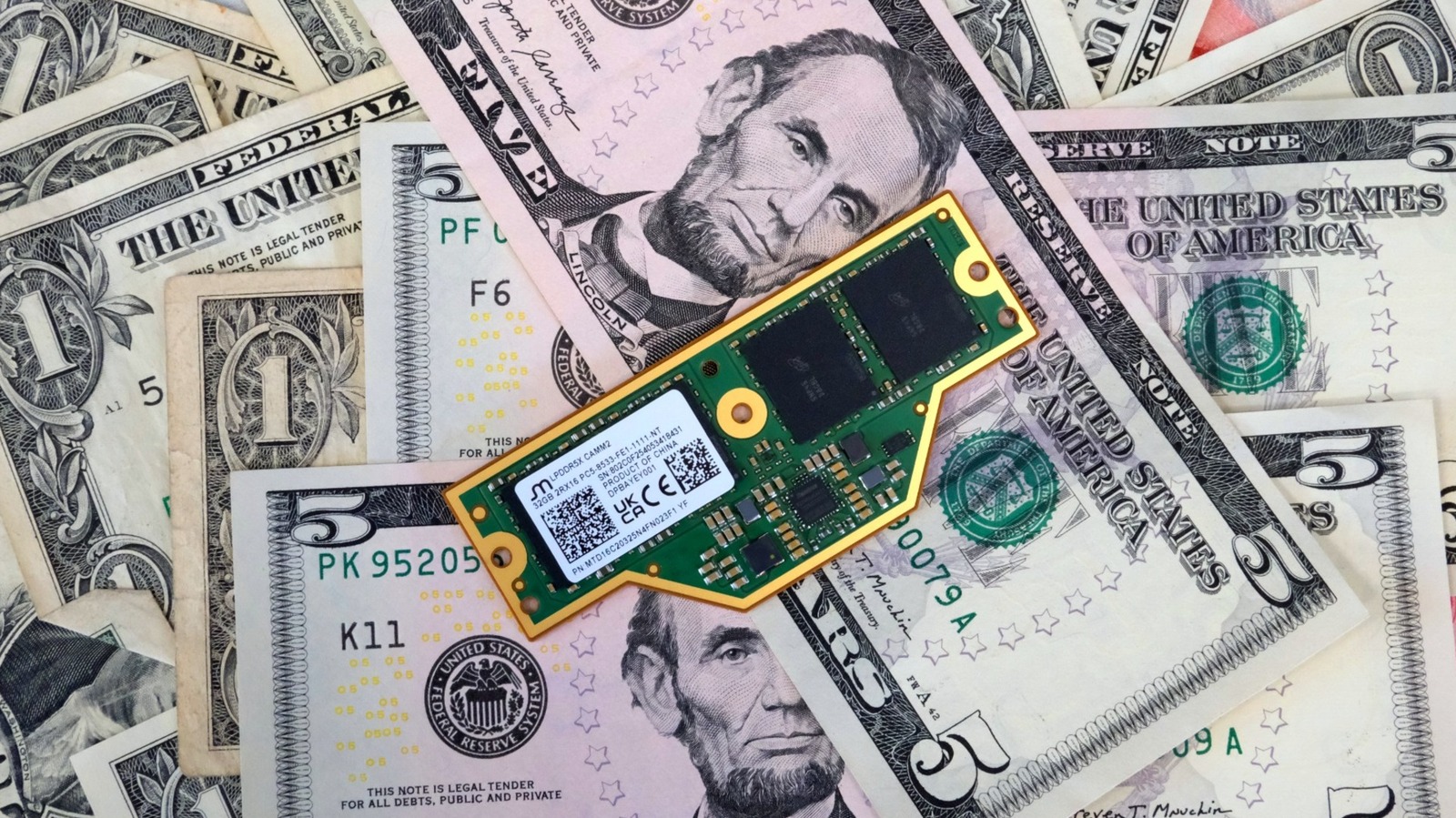
For decades, computer memory (RAM) steadily got cheaper. That trend has reversed sharply over the last 18 months, with prices climbing so fast the industry has taken to calling it the "RAMpocalypse." A once-cheap commodity component has turned into a luxury item, driving up the cost of new phones, PCs and tablets.
RAM sits between a computer's storage and its processor, holding data ready for quick access. The global supply comes from just three major manufacturers — Samsung, SK Hynix and Micron. Alongside standard DRAM used in consumer devices, these companies also produce High Bandwidth Memory (HBM), a faster, higher-capacity type used in data centers and AI training. Both are made from the same silicon wafers, but producing one unit of HBM consumes roughly three times the wafer resources needed for a comparable amount of consumer DDR5 memory.
The scale of the price surge
According to tracking site PCPartPicker, a pair of 16GB DDR5-4800 sticks that cost under $100 at the start of 2025 now runs over $400. High-end 32GB DDR5-6000 kits have jumped from around $250 to more than $1,200 — roughly the price of a MacBook Air.
AI demand is the driver
Flush with investor cash, AI companies have bought out years' worth of memory production capacity, with reports suggesting manufacturers' 2027 RAM output is already sold out. A single xAI data center in Memphis, for instance, is estimated to use RAM equivalent to more than 14 million iPhone 17 units. The shift has been highly profitable for manufacturers: Micron reported an 84.9 percent gross margin in June, while SK Hynix's operating profit rose 557 percent year-over-year.
No quick fix
Building new memory factories takes years and billions of dollars in investment. SK Hynix's new South Korean plants aren't expected to begin production before June 2029. Executives at SK Hynix and Micron have both indicated tight supply conditions could last through 2027 and 2028, while analysts at Deloitte don't expect relief before 2030 at the earliest.