Why You Should Never Plug One Power Strip Into Another
Engadget explains that daisy-chaining power strips can cause overheating and house fires. The safer approach is a single strip plugged directly into a wall outlet.
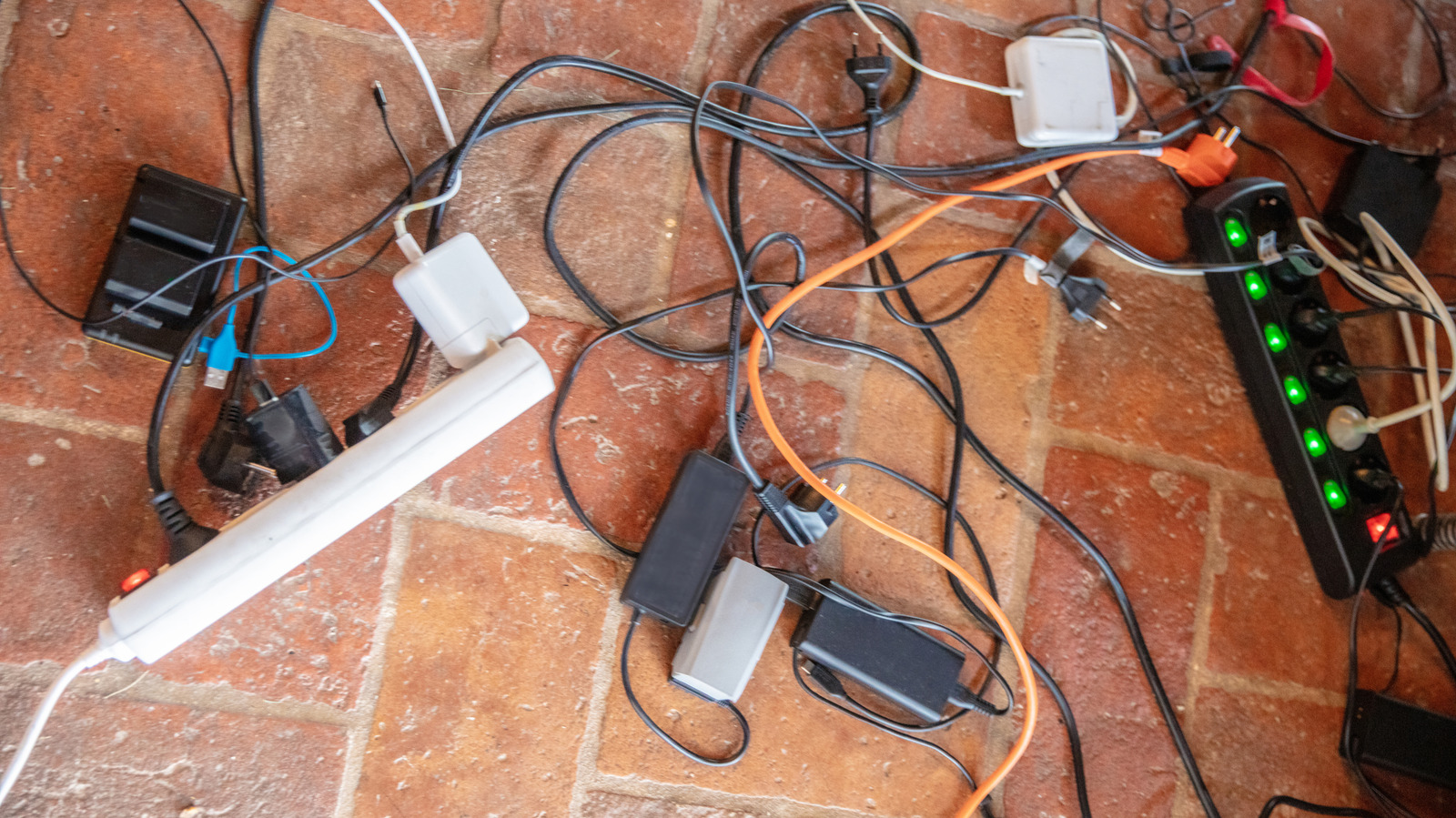
Home offices and gaming setups often have more devices than available sockets, so some people plug one power strip into another. Technology site Engadget explains that this practice, known as daisy-chaining, is risky: it can trip circuit breakers and even start a house fire.
Why it is dangerous
Additional sockets do not add electrical capacity. All current drawn by devices on the second strip flows through the first strip's plug and internal components, so the first strip carries the combined load of both.
Every strip has a maximum rating, usually given in amps. If the first strip is already near its limit, adding a second can overload it. Too much current produces resistive heating, which over time can melt the casing and wire insulation and ignite nearby materials. Home offices usually contain plenty of flammable items.
What to do when one strip is not enough
For low-power electronics, the best option is a single strip with more outlets, as long as the total load stays within its rating. A strip with eight outlets does not necessarily supply more power than one with four. If distance is the problem, choose a strip with a longer cord. The US National Fire Protection Association (NFPA) advises against adding extension cords too, since they have their own ratings.
If one strip keeps tripping the breaker, spreading devices across more strips will not fix it; treat it as a warning. A strip with a damaged casing, scorch marks or loose connections should not be used.
What not to plug into a strip
High-power appliances such as space heaters, microwaves and refrigerators belong in a wall outlet. Power strips suit ordinary devices like PCs, printers and phone chargers.
A surge protector does not change this. It guards against sudden voltage spikes but does not add capacity, and its safety guidance also advises against daisy-chaining.