Why your phone charges slowly in the car: check these simple factors first
When a smartphone charges unusually slowly in a car, the cause is often not the vehicle's electrical system but the charging chain itself — the charger, the cable and the phone's supported standards. Experts suggest checking each link separately.
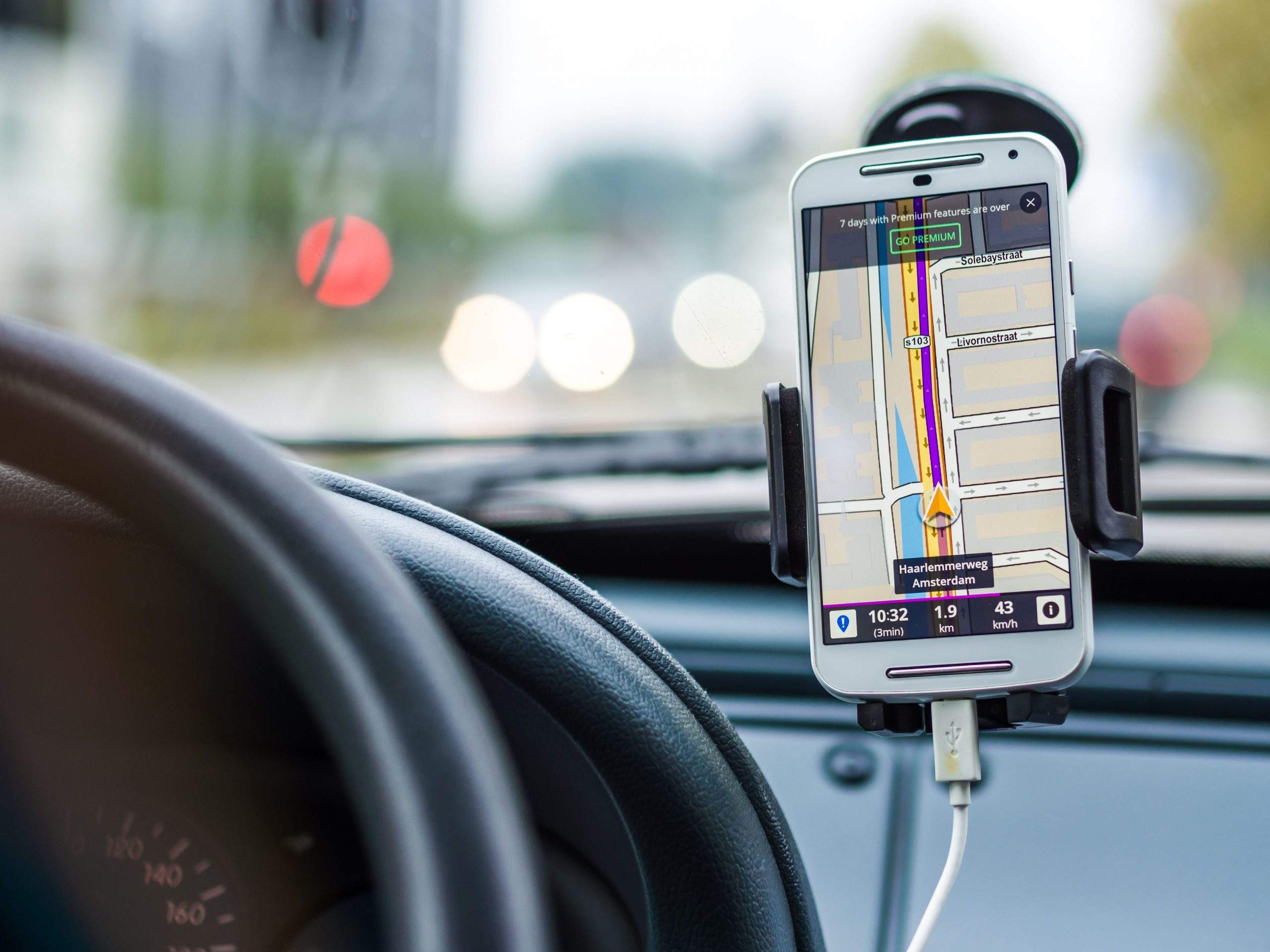
It's a fairly common situation: a smartphone is plugged into a car charger, yet the battery percentage barely seems to move. Before blaming the car's electrical system or the phone itself, it's worth examining the entire charging chain, since several components together determine how fast charging actually happens.
Ways to charge a phone in a car
Modern cars offer several ways to charge a phone. The most common is a USB port, though a 12-volt socket combined with a separate adapter is also widely used. Some newer car models come with a factory-installed USB-C port capable of delivering higher charging power than traditional USB ports.
A label alone doesn't guarantee fast charging
It's important to understand that a port being labeled USB, or an adapter carrying the words "fast charger," does not automatically mean the phone will actually charge quickly. The real charging speed depends on the interaction of several components rather than any single one.
What determines charging speed
Charging speed largely depends on three factors: how much power the charger itself is capable of delivering, whether the cable used is technically able to carry that power, and whether the specific phone supports the charging standard the charger offers. If any one of these three elements falls short, charging will proceed more slowly than expected, even if the rest of the system is functioning correctly.