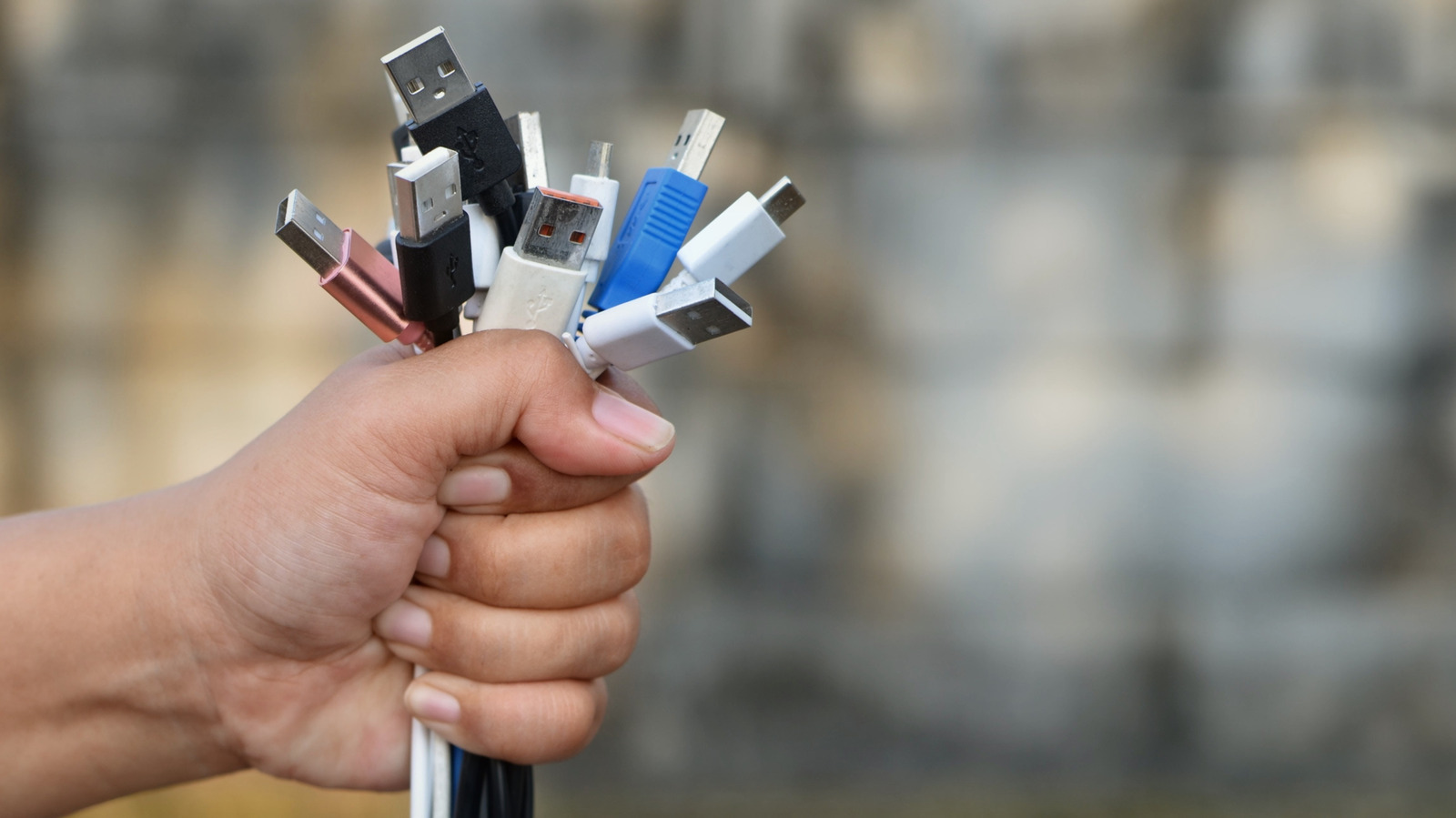
Why you should never clean your smartphone with Windex or bleach
Experts warn that harsh cleaners like Windex, compressed air or bleach can permanently damage a smartphone screen. A damp microfiber cloth with soapy water or a 70 percent isopropyl alcohol solution is the safer choice.
Smartphones have become central to daily routines, often the last thing people touch before sleep and the first thing they reach for in the morning. Because these devices travel everywhere, including bathrooms, the average phone can end up roughly ten times dirtier than a toilet seat.
Although a phone screen looks like tough glass, it shouldn't be cleaned with harsh products such as Windex, compressed air, hydrogen peroxide or bleach. These substances contain chemicals that can permanently harm the display by stripping away its oleophobic coating, the layer that keeps the screen smooth and resistant to fingerprints and oils.
The right way to clean a phone
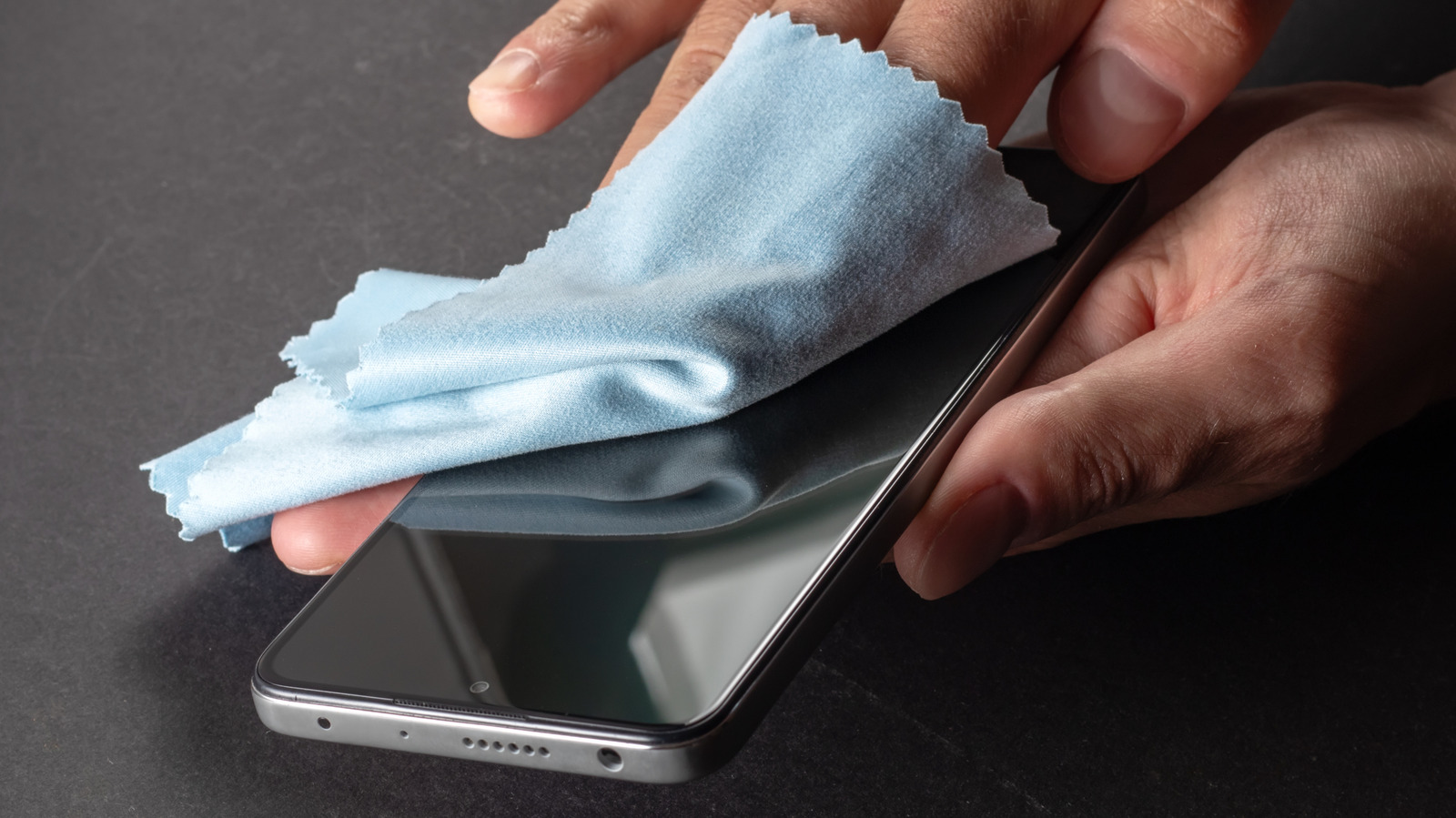
Start by powering off the device and removing any case. Dampen a lint-free microfiber cloth with soapy water, or spray it with a 70 percent isopropyl alcohol solution, making sure the cloth is damp rather than wet. Gently wipe both the screen and the back glass, paying attention to areas around the camera lenses and side buttons while being careful near openings like the USB-C port to prevent moisture from getting inside.
Phone cases also need regular cleaning, since they're often dirtier than the phone itself. Silicone and plastic cases can be cleaned the same way as the device, but leather cases should only be wiped with a damp cloth and mild soap, since alcohol dries out the material and can cause cracking.
Common mistakes to avoid
Never apply liquid directly onto the phone, as it can seep into small gaps around the screen, buttons or ports and cause water damage even on waterproof models. Cleaning a phone while it's plugged in should also be avoided, since combining moisture with electricity is risky. Overusing alcohol wipes, even at the recommended 70 percent concentration, gradually wears down the oleophobic coating. Finally, rough fabrics or paper towels should be avoided, as their microscopic abrasiveness can leave scratches that become more noticeable over time.