Why Xiaomi, Oppo and Vivo phones are barely sold in the US
Three of the world's top five smartphone makers — Xiaomi, Oppo and Vivo — have almost no official presence in US retail despite dominating markets in Europe, Asia and Latin America. Carrier certification costs, geopolitical friction and mismatched business models keep them out of reach for American buyers.
Walk into a US carrier store and the choices are predictable: iPhone, Samsung Galaxy, maybe a Google Pixel or Motorola. Yet globally, three Chinese brands — Xiaomi, Oppo and Vivo — ranked third, fourth and fifth in smartphone shipments in Q2 2026, according to Counterpoint Research, with no meaningful official presence in American stores.
None of these brands are banned outright. Xiaomi has chosen to avoid the US market to sidestep costly carrier certification and potential political risk. Oppo cites similar reasoning — steep carrier distribution costs and geopolitical friction — and its indirect US foothold via OnePlus is fading as that brand exits North America and Europe. Vivo has focused instead on Europe, Asia, Latin America and the Middle East, while Honor stays away for largely the same reasons.
What US buyers are missing
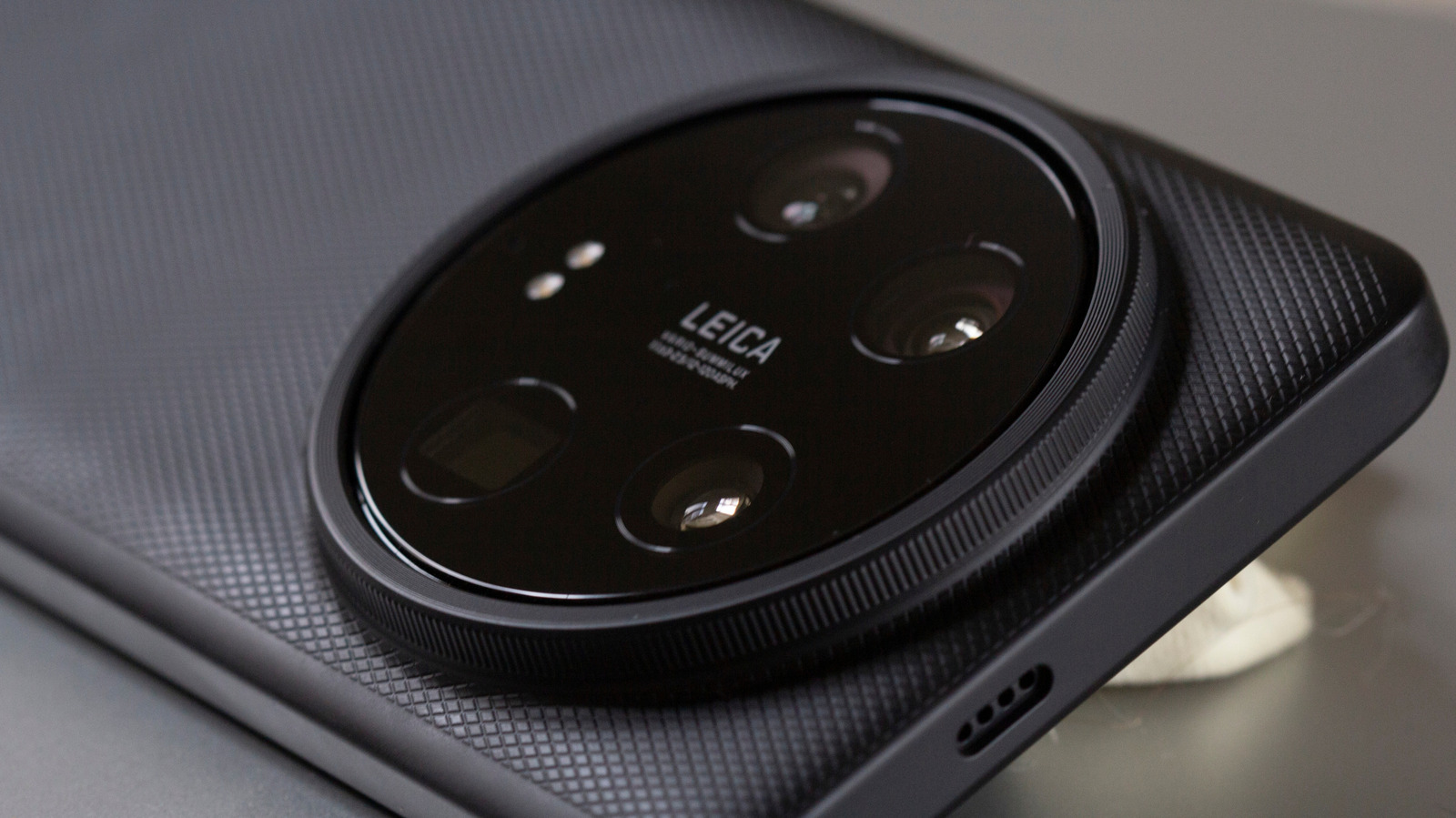
Flagship models from these brands often outperform US-available devices in cameras, charging speed and water resistance. Several offer charging speeds of 90-100W, compared to roughly 65W on most US flagships, alongside advanced camera systems and high water-resistance ratings. Budget models from these brands also pack large batteries and strong cameras at competitive prices.
Why they're hard to buy anyway
Carriers control a large share of US phone sales through subsidized pricing, but require manufacturers to pass expensive certification and revenue-sharing arrangements. Some models can technically be bought through Amazon or importers, but global variants often lack the LTE/5G bands US networks need, causing spotty coverage, and Chinese market-specific versions may ship without Google Play Services. Unless carrier practices or US-China trade policy shift, these brands are likely to remain largely inaccessible through official US channels.