Hot vs cold: What's actually the best temperature for solar panel output?
Solar cells are technically more efficient in cooler conditions, but hot, sunny days often produce more total electricity because there's simply more sunlight. Cloud cover, roof orientation and day length matter just as much as temperature.
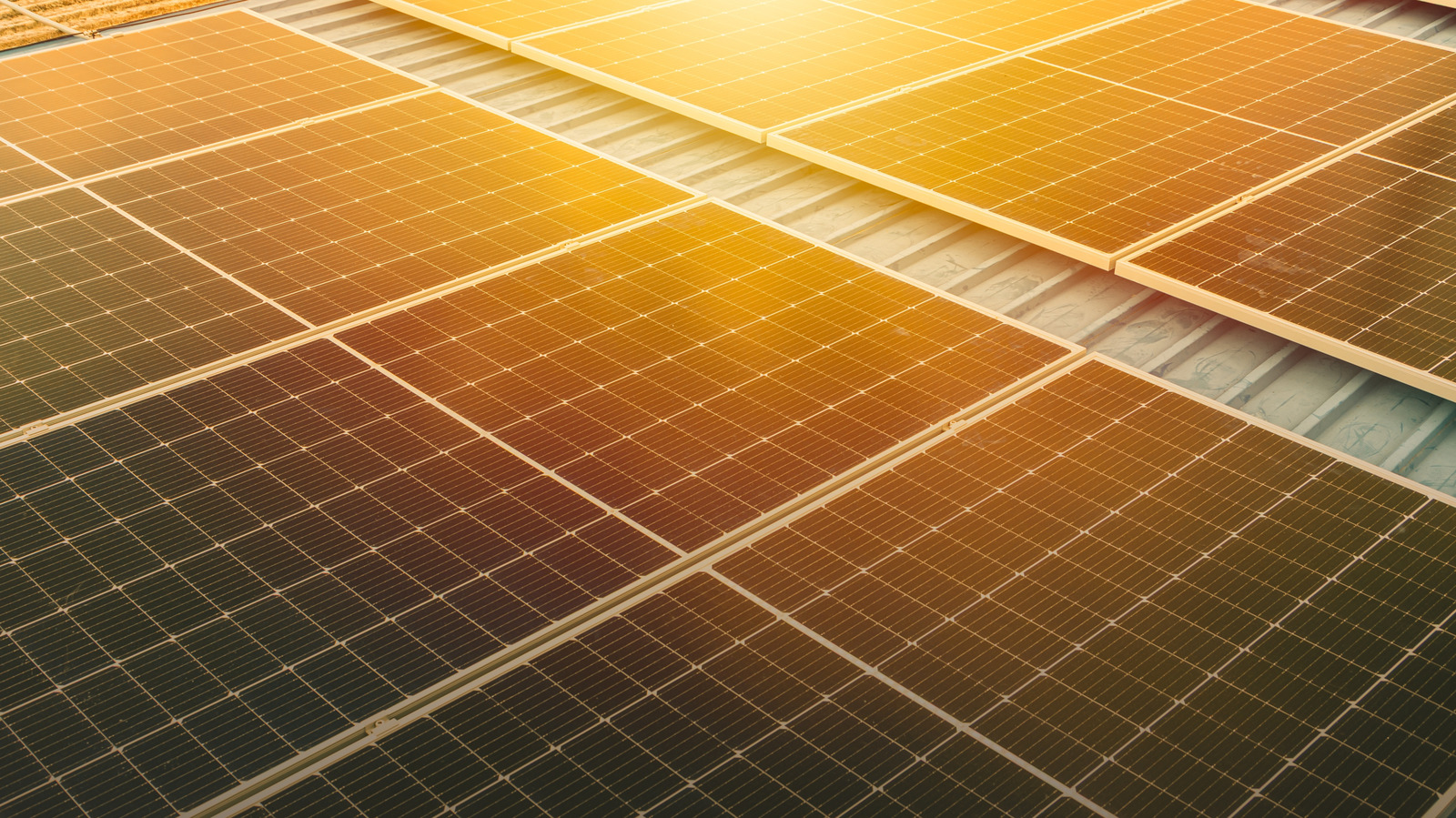
Solar panels are commonly associated with 77°F (25°C), the cell temperature manufacturers use when rating panels under standard test conditions alongside a fixed level of sunlight intensity. That figure, however, isn't the ideal outdoor temperature for peak output.
Technically, cooler conditions do favor efficiency, since voltage drops faster than current rises as temperature increases. But efficiency isn't the same as total electricity produced. A cooler panel can extract more power from a given amount of sunlight, yet a hot day often simply has more sunlight available, which can offset the efficiency loss.
Why heat reduces panel efficiency
The temperature shown on a weather app isn't the same as the panel's actual temperature — a module sitting in direct sunlight can run much hotter than the surrounding air. Sandia National Laboratories, part of the US Department of Energy, models panel temperature using ambient temperature, solar irradiance, wind speed and how the panel is mounted. Once cells exceed their rated reference temperature, output declines according to a temperature coefficient that varies by manufacturer — there's no single universal figure. REC Group lists -0.24% per degree Celsius for its Alpha Pure-RX line, while Qcells lists -0.29% per degree Celsius for its Q.TRON BLK M-G2+ series. Still, 25°C isn't dangerously hot for a panel — both companies' modules are rated for continuous operation at much higher temperatures, though the Department of Energy notes that extreme heat can eventually damage materials and shorten a panel's lifespan.
Ideal efficiency conditions don't always mean peak production
Beyond temperature, factors like clouds, snow, roof orientation, sun angle and daylight hours can matter more for total output, meaning the best production window isn't automatically midday. Even though panels run hotter in summer, longer days and stronger sunlight often lead to greater overall electricity generation. That's part of why some homeowners size their solar systems with extra capacity beyond their typical needs. For a more precise picture than seasonal generalizations, the National Renewable Energy Laboratory's free PVWatts calculator estimates monthly and annual output for a specific location, based on 30 years of historical weather data.