Extreme heat tests Europe's nuclear power, but France stays stable — for now
Record heat and low river levels have forced France and Hungary to cut nuclear reactor output, but Europe's power supply has so far remained largely stable.
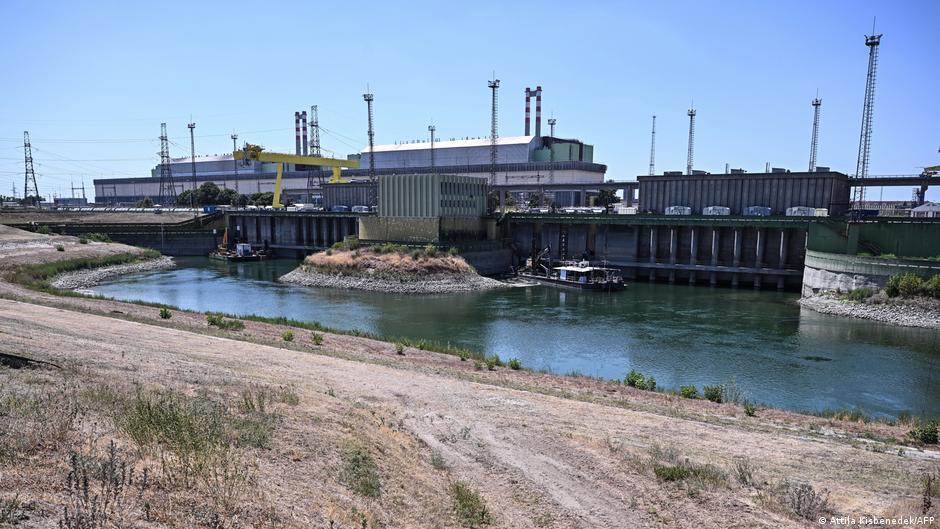
This year's heat waves have exposed how dependent nuclear power plants are on local weather conditions. In Hungary, the Paks plant, which normally supplies about 40% of the country's electricity, has only one of four turbine units running because of record-low water levels in the Danube, briefly raising the risk of a complete shutdown.
For the European power market, developments in France matter even more, since no country relies more heavily on nuclear energy. If French output drops, the country exports less electricity to its neighbors and could even become a net importer.
Short but significant dips
A 2023 report by France's official audit office found that heat-related losses across all nuclear reactors averaged less than 1% of annual output between 2000 and 2022, reaching about 1.5% even in the hot summer of 2003. But annual averages mask sharper short-term swings: in summer 2003, output briefly fell by more than six gigawatts, while the heat waves of late June and mid-July 2026 temporarily cut available capacity by eight to nine gigawatts — up to a fifth of France's usual summer nuclear capacity. Grid operators say France still had sufficient reserves during the 2026 heat waves and remained a net exporter overall.
Why heat affects nuclear plants
Nuclear reactors release large amounts of waste heat, typically discharged into rivers or the sea. When water levels are low, that heat concentrates in a smaller volume, raising water temperature faster, while warmer water holds less oxygen, threatening aquatic life. Legal temperature limits mean operators usually throttle reactors to protect rivers, not for safety reasons. In critical cases, French authorities can grant temporary exemptions, allowing state utility EdF to boost output briefly.
Effects on neighbors and future plans
On June 24, a roughly 4.1-gigawatt capacity cut caused French exports to fall to about three gigawatts, down from 10-12 gigawatts the week before, contributing to power prices in France and Germany briefly hitting their highest levels since January 2025. July's curtailments were larger but had less cross-border impact, as France imported cheap solar and wind power from Spain instead.
France's audit office projects that climate-related reactor downtime could triple or quadruple by 2050. The country's upcoming nuclear modernization program aims to address this, with several new EPR2 reactors planned for coastal sites.

/nginx/o/2026/09/27/17941411t1h0e1b.jpg)