What is a cold wallet, and how does it protect your cryptocurrency
Cold wallets keep cryptocurrency private keys completely offline, significantly reducing the risk of hacking compared to internet-connected hot wallets. However, they are not entirely immune to attacks, as software flaws can still compromise them.
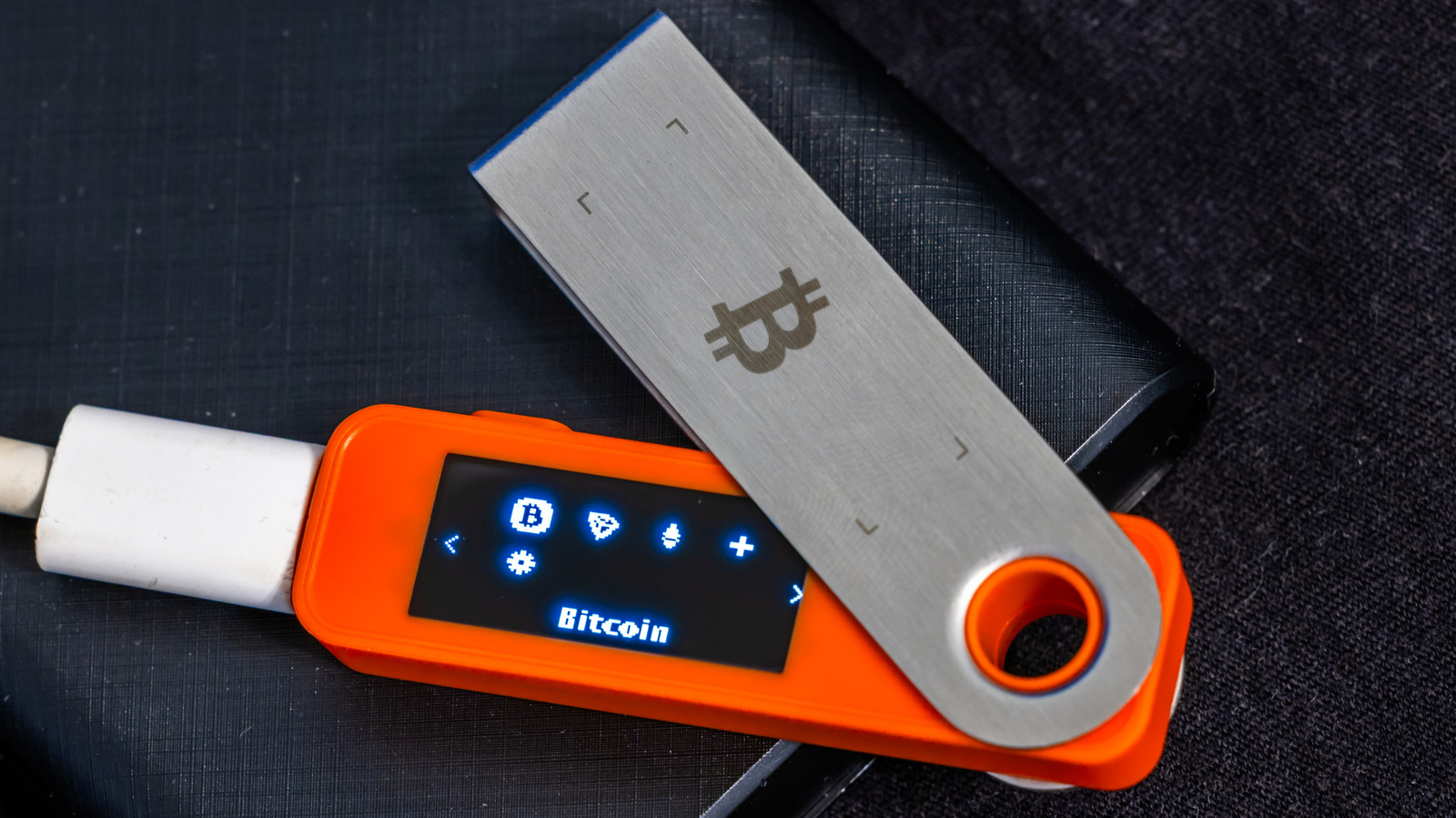
Cryptocurrency security remains a persistent concern, as major trading platforms have repeatedly lost customer assets to security breaches over the years. Self-custody offers an alternative, giving individuals full control over their holdings through what's known as a cold wallet.
How crypto wallets work
Cryptocurrency wallets don't actually store funds themselves — they hold cryptographic keys that prove ownership of a balance recorded on a blockchain network such as Bitcoin or Ethereum. The simplest form is a paper wallet containing a list of 12 or 24 words, though an app is still needed to authorize transactions.
Hot wallets run on internet-connected devices, while cold wallets remain entirely offline, isolating private keys from potential attackers. Hardware wallets use tamper-resistant chips, and the actual signing process happens on the device itself — transaction details appear on its screen and must be manually confirmed. Even if a connected phone or computer app is compromised, an attacker cannot initiate a transaction without physical access to the device. These wallets are also typically protected by a PIN and wipe their storage after several failed unlock attempts.
Are cold wallets truly safe?
Despite these protections, hardware or software flaws can still leave cold wallets vulnerable. In July 2026, an exploit was discovered in Coldcard devices stemming from a software bug dating back to 2021, which caused some devices to generate weak or predictable private keys. This allowed attackers to remotely drain thousands of wallets, even though the devices themselves remained offline.
Security experts recommend adding a passphrase for extra protection and keeping a physical, non-electronic backup of private keys — written on paper or etched into fire-resistant steel.