What is sacred Mount Kailash, the destination of a group of travelers from Latvia
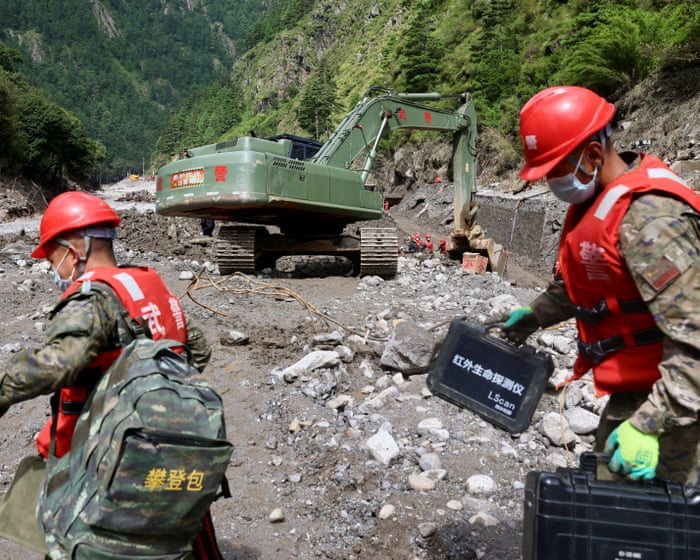
Recent floods and mudslides on the Nepal-Tibet border have drawn attention to sacred Mount Kailash, which travelers from Latvia were heading toward through the disaster-hit region. Dozens of Latvian citizens remain missing.
A recent natural disaster on the Nepal-Tibet border has drawn attention to Mount Kailash, one of the world's most mysterious and sacred sites. The mountain itself lies far from the epicenter of the disaster, but the route to it from Nepal passes through the heavily affected region, where a glacier and rock collapse on August 26 triggered devastating floods and mudslides.
A place where reaching the summit is not the goal
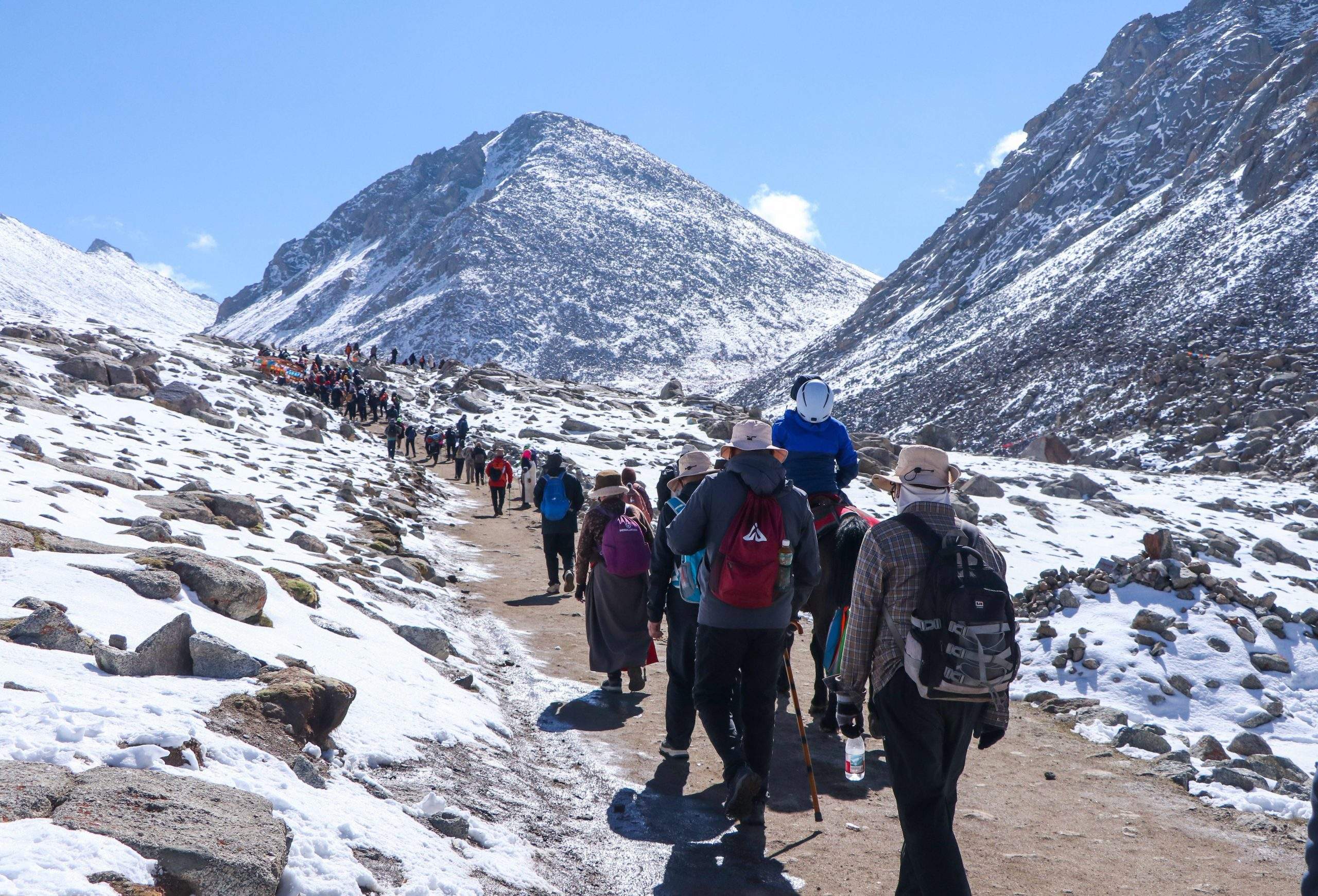
Rising to 6,638 meters in the western Tibetan plateau, Kailash is considered sacred in Hinduism, Buddhism, Jainism and Tibet's ancient Bon tradition. Unlike most famous mountains, where climbers aim to reach the summit, pilgrims to Kailash instead walk around it in a ritual known as the "kora" — a route roughly 52 kilometers long that at points exceeds 5,000 meters in altitude, with its highest section at the Drolma La pass at around 5,600 meters. Hindus and Buddhists traditionally circle the mountain clockwise, while Bon followers go counterclockwise. In Hinduism the mountain is linked to the god Shiva, and in Buddhism to the mythical Mount Meru.
Nearby lie two lakes — Lake Manasarovar, which also holds great religious significance, and Rakshastal. UNESCO highlights the region's importance for both culture and nature, noting it as the source of major rivers such as the Indus, Sutlej and Brahmaputra, and its rich biodiversity.
Why the disaster also affected Kailash travelers
The route to Kailash from Nepal passes directly through the border area hit hardest by the floods. According to Reuters, those reported missing included several foreign nationals, among them people traveling toward the sacred mountain. Rescue efforts have been hampered by destroyed roads and communication breakdowns.
Latvia's Ministry of Foreign Affairs has reported that 33 Latvian citizens remain listed as missing, while only three are confirmed not to have been affected by the disaster. Prime Minister Andris Kulbergs said on social media there is hope that some of the missing managed to cross into China shortly before the collapse and may be in a small mountain town currently cut off from communications. Latvia's honorary consul in Nepal continues to coordinate with local authorities, and relatives have been given information on submitting DNA samples, as some victims' remains are also being recovered from rivers in India.