What Happens to a Car That Sits Unused for a Long Time
A car can wear out even when it is not driven, with the battery, tyres and brake system suffering most. Regular driving, ideally at least once a week, is recommended.
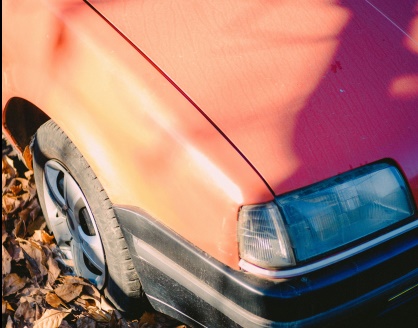
A car can deteriorate even if nobody drives it. Advice compiled by the Latvian auto portal iAuto.lv says that long periods of standing, especially outdoors in damp weather, harm several components of a vehicle. The longer a car goes unused, the greater the risk of damage and expensive repairs.
How damage develops over time
Within a few days, the first rust can appear on the brake discs, particularly after a humid night. It is usually only superficial and disappears after a few braking manoeuvres. After a week the battery begins to weaken, because even a switched-off car draws power for the alarm, control units and keyless entry system. If the battery is old or not fully charged, starting the engine may become a problem.
After two to four weeks, the tyres need attention. The vehicle's weight presses on the same part of each tyre for a long time, which can create flat spots and cause vibration or shaking when driving resumes.
After one to three months the battery may be so drained that the car cannot be started without outside help. Tyre deformation becomes more pronounced, and superficial rust on the brake discs gradually gives way to deeper corrosion, so the brakes must be checked before driving.
After three to six months the damage can become serious: the battery may be permanently damaged, tyres may be left with lasting deformation, and the braking system may suffer heavy corrosion. For a car parked outside, moisture and dirt can promote rust elsewhere and block water drainage channels, and the fuel starts to age.
After a year, the car should not simply be started and driven away. The battery, tyre condition and pressure, brakes, engine oil and other fluids should be checked first, along with possible leaks, wiring, lighting and wipers. Even if the engine starts, that does not mean the car is safe to drive.
What is recommended
The car should be used regularly, ideally at least once a week. Running the engine for five minutes is not enough; the drive must be long enough for the engine to reach operating temperature and for accumulated moisture to evaporate from the engine and exhaust system.
If a car will not be used for a long time, fully charge the battery before parking, raise tyre pressure by about 0.5 bar, and choose a dry location sheltered from the weather.