Kasparov: A Russian Attack on NATO Could Begin in Latvia or Estonia
Russian opposition figure Garry Kasparov believes Russia could strike Estonia and Latvia first, crossing the border near Narva or Daugavpils. He says the nature of NATO's response would be decisive.
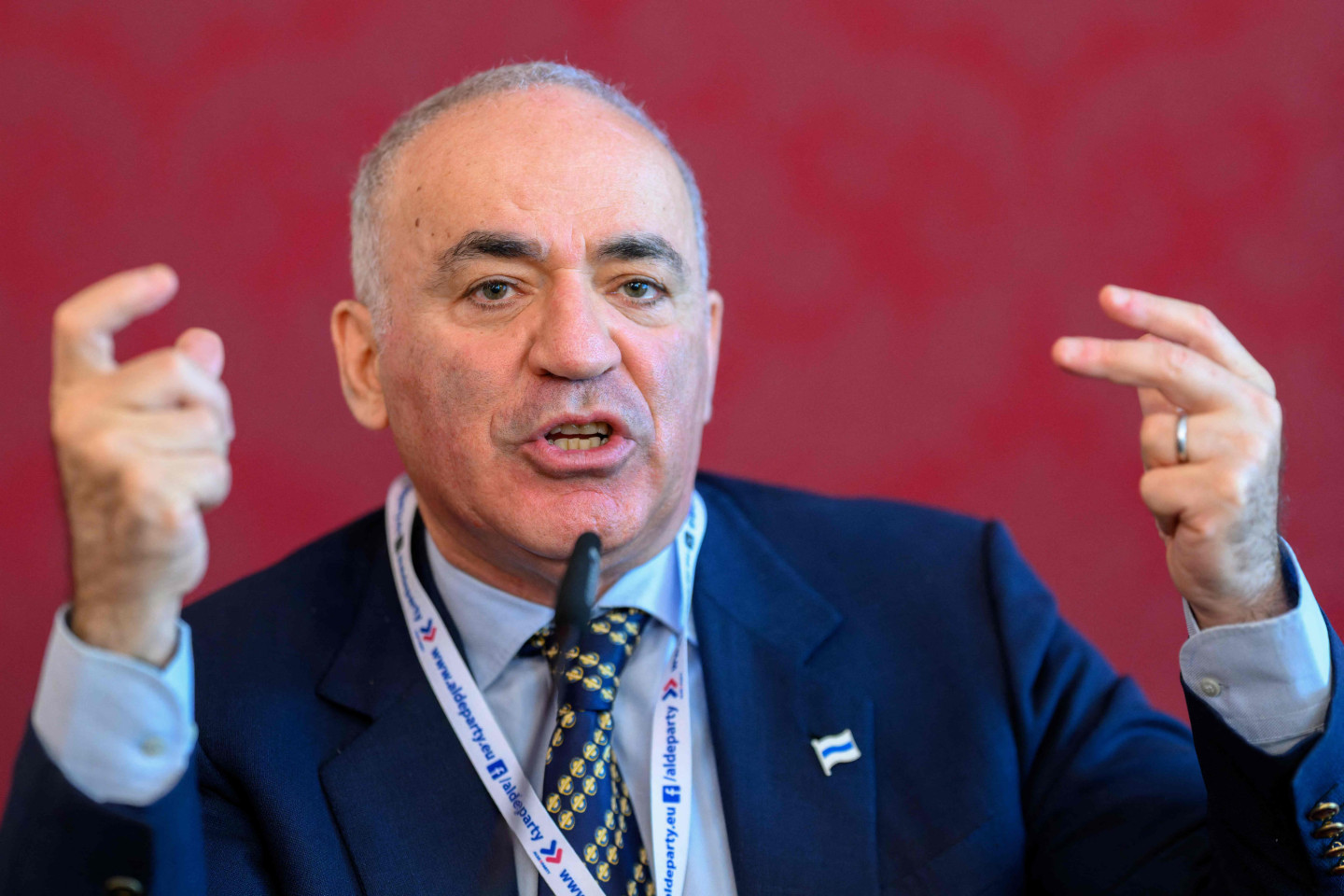
Garry Kasparov, a Russian opposition figure and former world chess champion, believes any Russian aggression against NATO members could begin with an assault on the Baltic states. In his view, Estonia and Latvia could be the first targets.
Kasparov set out the scenario in a piece published by Dialog.ua, which draws on his interview on the YouTube channel "Forum of Free Russia".
What an attack might look like
According to Kasparov, Russian units could cross the frontier in the Narva area of Estonia or near Daugavpils in Latvia. Such an operation would most likely be accompanied by drone strikes. He stressed that for now the discussion concerns specifically Estonia and Latvia.
NATO's response is the key question
Kasparov argues that the decisive issue is how NATO would act. The alliance might aim only to push the adversary out of the seized territory, or it might try to inflict irreversible damage on the supporting forces, including by striking Russian territory. There is no direct answer yet, he said, although in recent weeks both Polish and Estonian officials have made fairly firm statements that they would hit back.
He noted that NATO was built as an organisation controlled by the United States. Decisions are taken by the alliance leadership, so it would be necessary to wait for instructions from Washington, since the commander of NATO forces is an American. Kasparov also pointed to the formal consensus principle, which lets individual members such as Portugal or Cyprus block decisions. He suggested that some allies might prepare to act without American involvement.
Putin's calculation
Kasparov holds that, from Vladimir Putin's viewpoint, any conflict in which the US is not involved and NATO is effectively paralysed would be favourable. If Russia were left facing the north-eastern bloc of Scandinavians, Poles and Balts, this would be seen as the end of NATO and a political victory for Russia.