Qatar: Global Economic Toll of Iran War Has Become 'Unbearable'
Qatar warns that the war involving Iran is placing an unbearable strain on the global economy, while continuing to mediate talks between Washington and Tehran. Doha says negotiations are ongoing but declined to detail their progress.
Qatar warned on Tuesday that the war involving Iran has placed an "unbearable" strain on the global economy, while confirming it continues to act as a mediator between Washington and Tehran.
Foreign ministry spokesperson Dr Majed Al Ansari, speaking at a press briefing in Doha, questioned how much longer the international economy could withstand the fallout from events in the region. Asked about prospects for a deal, he acknowledged that every agreement faces obstacles, and said Qatar's role is to help bridge the gap between the two sides. He confirmed meetings had taken place in recent days, with Qatar relaying messages between the parties, though he declined to disclose how far talks had progressed.
Al Ansari cautioned that further escalation would bring additional hardship to the region. Despite having been struck by Iranian missiles itself, Qatar remains committed to pursuing a peaceful resolution. He noted that the Gulf states, along with Iraq and Jordan, did not choose to enter the conflict between Iran and the US and have no separate dispute with Tehran to resolve. He described the situation as unwarranted aggression against these countries and said Iran needs to make clear it will not target neighbours who are not party to the war.
Despite the attacks, Qatar has maintained contact with Iran as part of its mediation efforts. Al Ansari said a durable settlement would also require regional security arrangements built on coexistence and non-aggression. He said Doha's current focus is bringing the parties closer to an agreement and restoring free navigation through the Strait of Hormuz.
He pointed out that Gulf exports extend well beyond oil and gas, including urea and ammonia — both important for agriculture and fertiliser production — as well as helium, petrochemicals and aluminium. The war has already affected crop yields in vulnerable countries and pushed some regions to increase coal use after previously scaling it back. Al Ansari warned the strain could intensify as winter approaches.
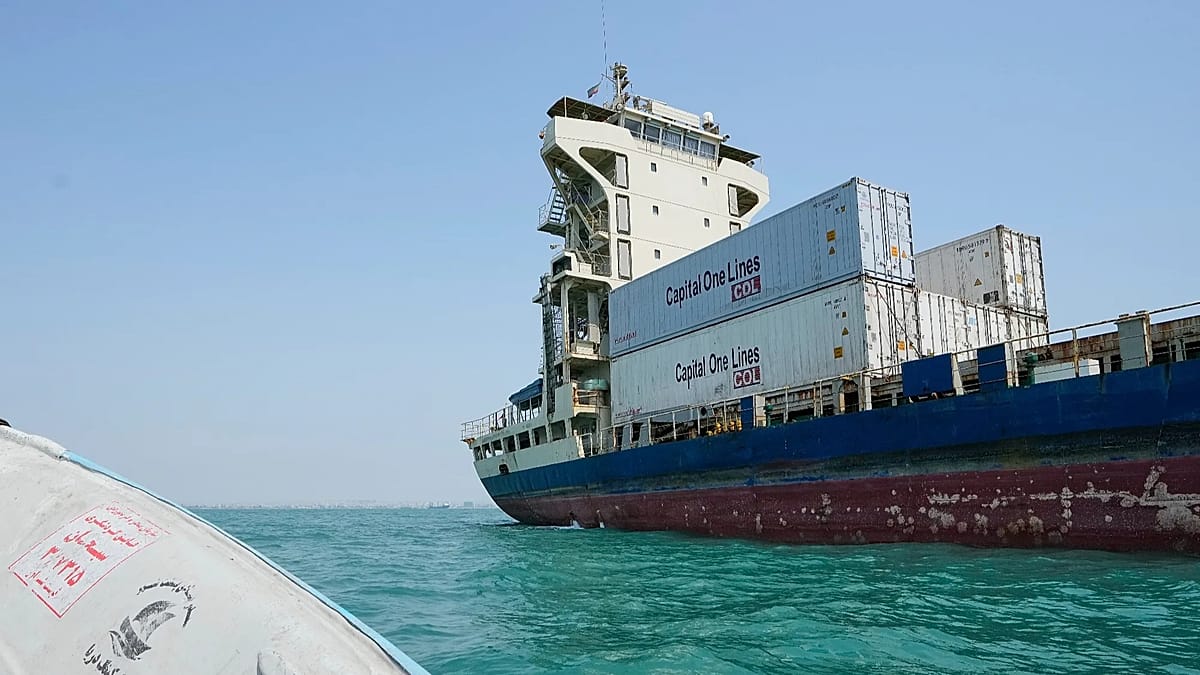
The war began with joint US-Israeli strikes on Iran in late February and has since severely disrupted shipping through the Strait of Hormuz, a critical route for Gulf exports. Qatar has repeatedly said that restoring full freedom of navigation through the strait must be part of any peace deal between Washington and Tehran.

