Cambridge academics say university's plans to probe Jason Arday's death fall short
More than 40 Cambridge academics have written to the university's chancellor saying planned investigations into Prof Jason Arday's death are inadequate and fail to address the institution's role in events leading to it. They are demanding accountability for any leadership failures identified.
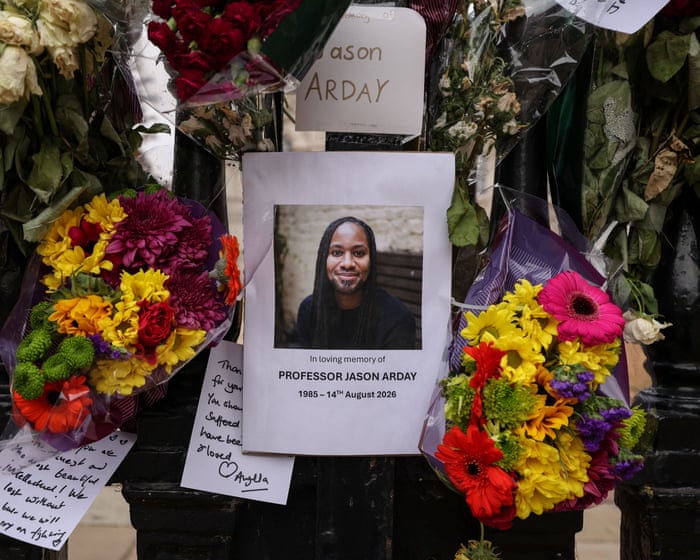
A group of more than 40 professors, associate professors and fellows at the University of Cambridge has written to chancellor Chris Smith arguing that the university's proposed review into the death of Prof Jason Arday does not go far enough. The letter states it remains unclear how the planned inquiry will address difficult questions about Cambridge's role in the events preceding Arday's death, including how it handled criticism he faced after becoming professor of sociology of education in 2023.
Arday died at his London home on 14 August, nine days after resigning amid allegations of plagiarism and inconsistencies in accounts of his career. An inquest will examine the cause of death. His family has said he endured a sustained campaign of abuse for more than three years.
Concerns over scope of review
The signatories say Cambridge appears to have retreated from earlier commitments made by vice-chancellor Deborah Prentice for a "thorough and transparent" examination of the circumstances surrounding Arday's appointment and treatment. Rather than a general lessons-learned exercise, the letter calls for the investigation to identify exactly who authorised the university's public promotion of Arday, what risk assessments were made, who directed communications with journalists, and how the institution tracked escalating racist and ableist abuse against him.
Last month Cambridge announced a two-part review, with the first part — led by former prosecutor Nazir Afzal — focused on the support given to Arday shortly before his death. A chair for the second part, intended to examine broader institutional processes, has not yet been named.
The academics insist that any findings of serious leadership failures must carry real consequences for those responsible, while also stressing that individual accountability cannot replace needed institutional reform. Cambridge, which had widely publicised Arday's 2023 appointment as the youngest Black professor in the university's history, has not yet responded to the letter.

/nginx/o/2026/10/02/17950113t1h0c0e.jpg)