Kyiv reshuffles public transport to ease impact of air raid alerts
Kyiv Mayor Vitali Klitschko says the city has redirected 140 buses to strengthen links between the Dnipro's banks and is working to allow traffic across bridges during air raid alerts. Metro restrictions during alerts have been overloading the city's transport system.
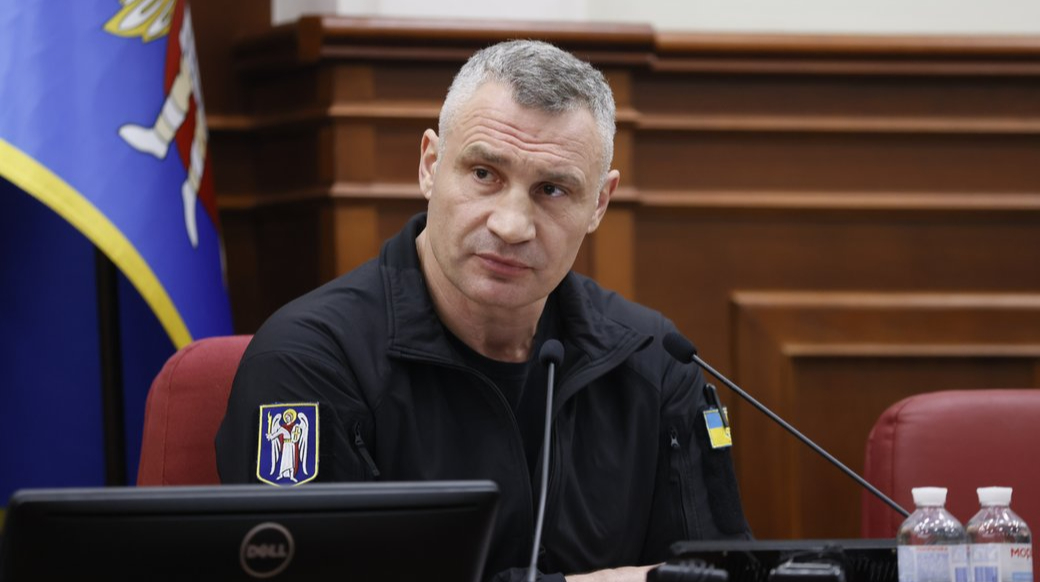
Kyiv Mayor Vitali Klitschko said in comments to public broadcaster Suspilne that prolonged air raid alerts are increasingly disrupting the city's transport system and daily life. He said the alerts have paralyzed both businesses and transport, leaving the city in a state of collapse.
Because metro operations are restricted during alerts, city authorities have reallocated ground public transport resources. In total, 140 buses were redirected to routes connecting the city's left and right banks of the Dnipro River and duplicating metro lines. Klitschko said all available transport resources are currently being directed toward reducing the load on the metro system.
At the same time, the mayor acknowledged that buses cannot fully replace the metro. The city is looking for additional ways to strengthen connections between the two riverbanks, as well as between the metro's "red" and "green" lines. Another planned step is revising the rules for traffic crossing Kyiv's bridges during air raid alerts, to allow movement across the Dnipro even while alerts are in effect.
Background
The day before, Klitschko reported that Kyiv's city Defense Council had proposed to the government changing safety protocols to allow the Syretsko-Pecherska metro line to operate without restrictions during air raid alerts. Separately, the Cabinet of Ministers adopted decisions aimed at adapting the state, businesses and infrastructure to Russia's new tactics of air attacks. Among the measures is a recommendation for Kyiv to shorten its curfew, currently running from 01:00 to 05:00.