China postpones Chang'e 7 Moon mission until 2027
China has delayed the launch of its Chang'e 7 lunar south pole mission, citing the need to guarantee absolute success. The next viable launch window may not arrive until next spring.
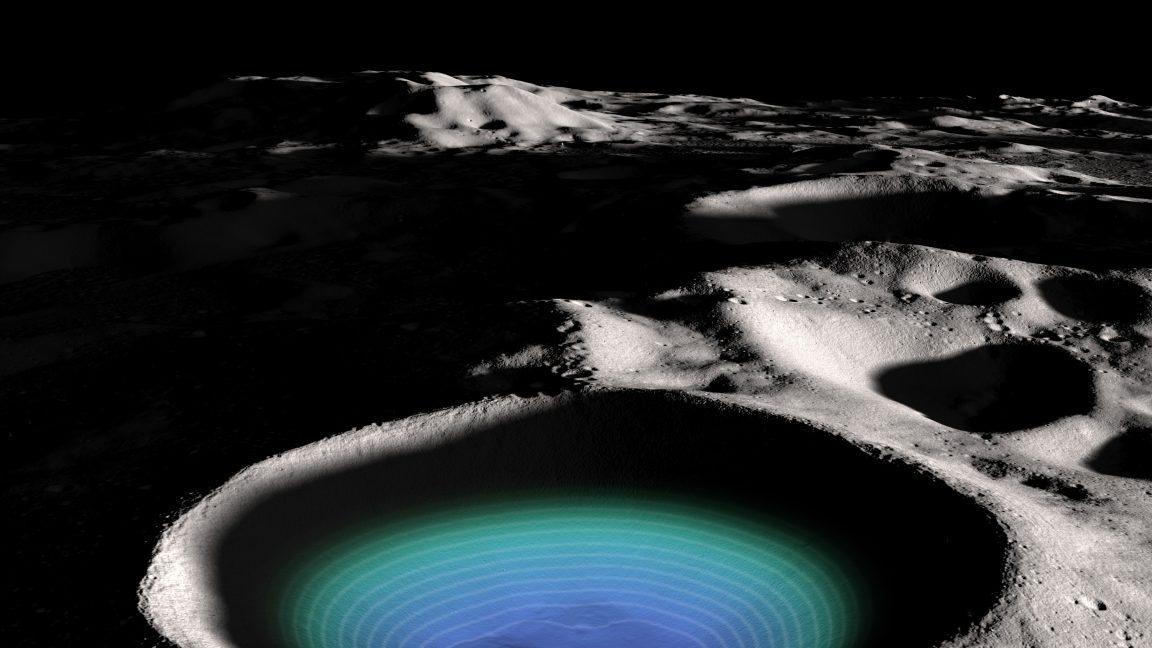
China's crewed space program office announced on Sunday that the Chang'e 7 lunar exploration mission will not launch this year. The statement said that, after a comprehensive assessment, officials decided to proceed cautiously and reliably to ensure absolute success, meaning the mission cannot go ahead within its planned launch window. No specific cause was given for the postponement.
The mission had been set to lift off as early as Sunday from the Wenchang Space Launch Site, located on an island in the South China Sea, aboard a Long March 5 rocket. The spacecraft package includes a lunar orbiter, a lander, a rover, and a small hopping probe, and it is designed to touch down at the Moon's south pole.
Weather likely to blame
The delay was most likely caused by Typhoon Narra, which has sustained winds of about 45 mph and has been lingering in the waterway between Hainan Island, home to the spaceport, and mainland China. The Joint Typhoon Warning Center expects the storm to continue affecting the area for another two to three days, bringing poor weather conditions to the launch site. It is plausible that Chinese forecasters concluded the weather would not clear before the current lunar launch window closed.
While official Chinese sources have not confirmed further details, social media chatter suggests the next suitable launch opportunity may not open until next February or March. Such a long gap is likely tied to sunlight conditions at the polar landing site combined with the mission's plan for a 90-day orbital reconnaissance phase before landing. A less likely explanation is a last-minute technical issue with the Chang'e 7 payload or the rocket itself — the Long March 5 shares its YF-100 engine with the Long March 7A vehicle lost during ascent two weeks ago, though recent launch preparations suggest this engine was probably not the deciding factor.