China tightens drone-part export controls, but key components remain outside the rules
China introduced stricter export licensing for some drone components used by Russia on 18 November. Ukraine's sanctions commissioner Vladyslav Vlasiuk says several Chinese parts found in Russian weapons are not covered.
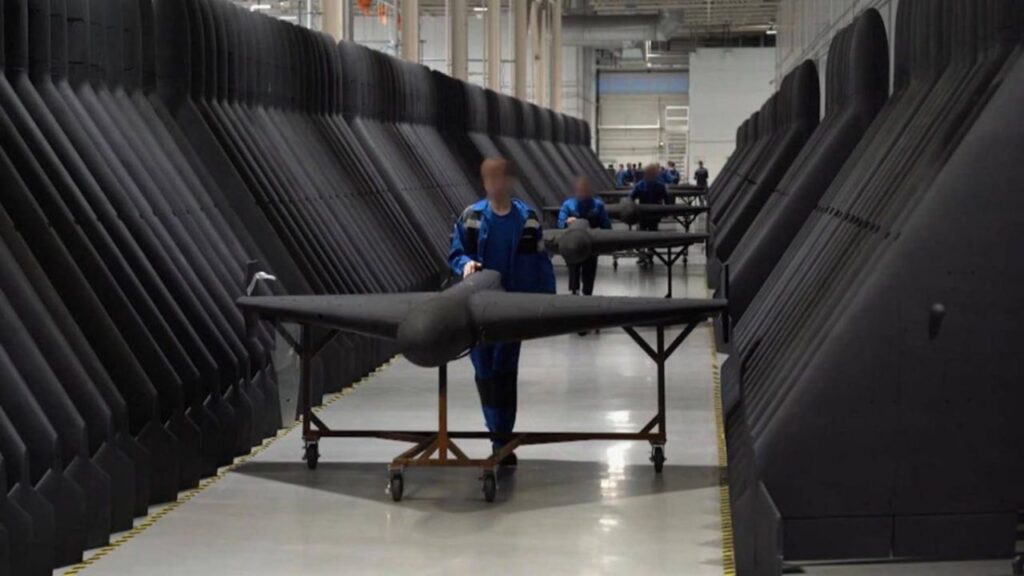
China has tightened export controls on certain drone components, including engines, radio modules and electric motors, with the rules taking effect on 18 November. Russia uses such parts in weapons it deploys in its war against Ukraine. Ukraine's sanctions commissioner Vladyslav Vlasiuk said several Chinese-made components found in Russian drones are not covered, meaning the controls reach only part of the technology Russia relies on.
What the new rules cover
According to Vlasiuk, the controls apply to jet engines with thrust of at least 400 newtons and other UAV engines with power output above 16 kilowatts. These include engines used in jet-powered Geran variants. The restrictions also cover radio modules with output power of at least 30 dBm or the ability to control more than 10 drones, as well as high-power brushless electric motors and their speed controllers.
The rules require export licences for specified drone-related products and technologies. They do not impose a blanket export ban.
What remains outside the controls
Ukraine compared the list of controlled items with Chinese components identified in Russian Shahed and Geran drones, missiles and reconnaissance UAVs. Items left out include controlled reception pattern antennas (CRPAs), which resist jamming, with Chinese-made circuit boards found in Geran-2 drones, navigation modules, HARXON antennas, gimbal-mounted cameras, and servos used in Geran-4 drones.
"These controls cover only part of what matters for Russian weapons, but this is a start," Vlasiuk wrote on 18 November. He said Ukraine had given its partners detailed information on the components and their Chinese manufacturers, and expects strict enforcement of the new rules.
The impact will depend on how strictly Beijing enforces the licensing requirements and whether Russian buyers can keep sourcing the equipment through intermediaries or alternative suppliers.