Nearly 3,000 missing after China-Nepal floods, including 48 Britons and 33 Latvians
At least 810 people have died and more than 3,000 remain missing after a glacier collapse triggered devastating floods on the China-Nepal border, with 48 Britons and 33 Latvians among those unaccounted for.
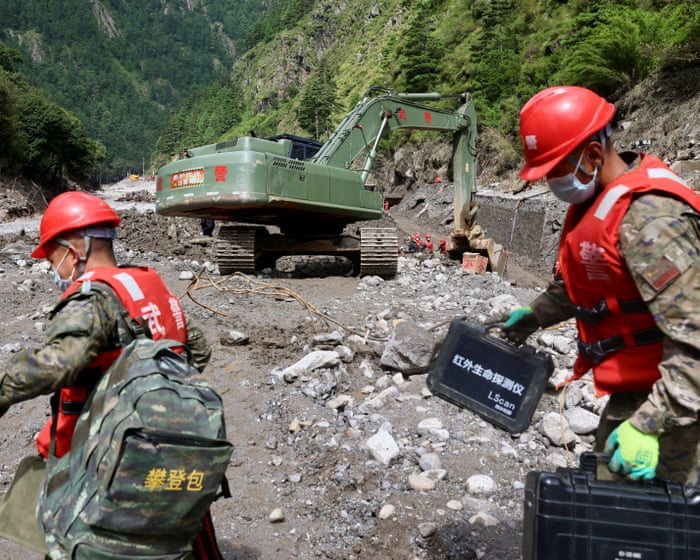
Authorities in Nepal and China confirmed on Sunday that at least 810 people have died in flooding that struck the Himalayan border region last Wednesday, after a massive glacier collapse sent flash floods through Gyirong port on the China-Nepal frontier. More than 3,000 people remain missing.
Chinese authorities reported 261 missing foreign nationals from 23 countries on their side of the border, including 15 Britons. Combined with 33 Britons already reported missing on the Nepal side, the total number of missing UK citizens has reached 48. Among those unaccounted for are two sisters last seen on the Friendship Bridge while on a pilgrimage.
The Tibet autonomous region's government said its list of missing also includes 104 Nepalis, 49 Indians, 33 Latvians and 18 Americans. The US state department disputed the Chinese figures, saying at least 85 US citizens are missing and that obtaining reliable information from the affected region has been difficult due to the scale of destruction and its remoteness.
Chinese officials have confirmed at least 16 deaths on their side of the border, though concerns persist over transparency, as the government has restricted footage of the disaster and may be understating casualties. In Nepal, police have confirmed 794 deaths and at least 2,742 injuries. Many areas remain at risk of further flooding, and residents who have returned home have been told to stay ready to evacuate again.
Rescue operations are being hampered by landslide risks and hazardous weather. China has deployed more than 2,100 rescue workers and allocated over 220 million yuan (£24m) in relief funding, using life-detection equipment and airdropped supplies. Several countries have pledged assistance to Nepal, including $3.6m from the US, over $3m from Australia, and £5m from Britain, which has also sent a rapid deployment team that arrived in Kathmandu on Saturday.