Pumpkin grower explains how to help fruit ripen bigger and sweeter in autumn
Pumpkin grower Ilze Venterzute from Pūre parish explains that extra feeding and warmth help pumpkins ripen better during a longer autumn. She also advises against trimming vines and warns against nitrogen fertilizer at this stage.
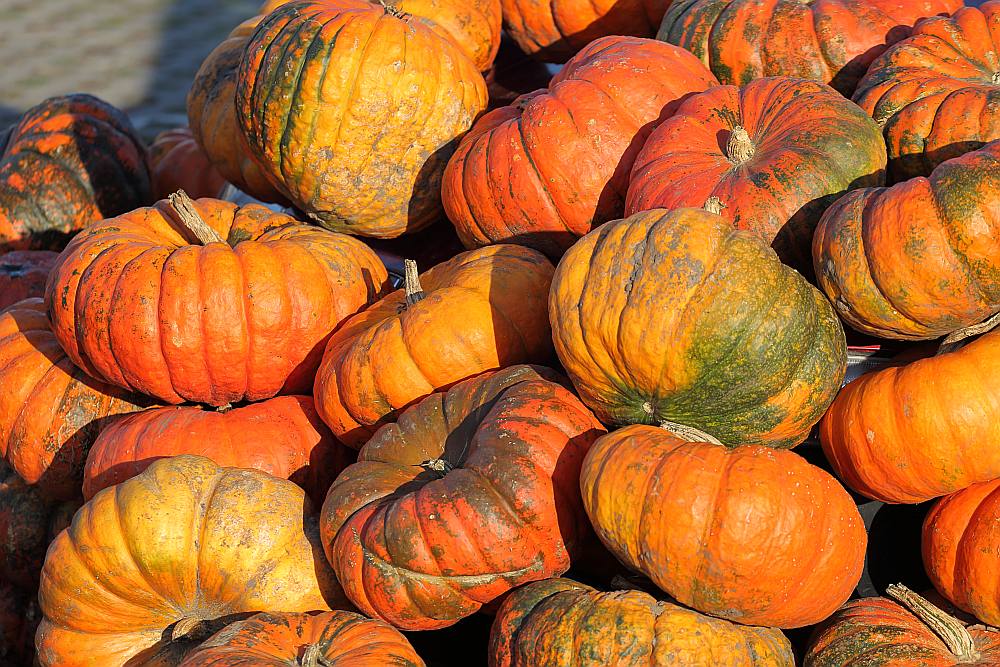
Pumpkin grower Ilze Venterzute from Pūre parish says that the longer and warmer autumn lasts, the more pumpkins and related plants manage to ripen. To help this process along, the plants now need extra feeding and a warm shelter.
No need to trim the vines
Some gardeners try to shorten pumpkin vines, hoping it will speed up ripening, but the grower advises against this practice. Different pumpkin varieties develop fruit differently — some at the base of the vine, others only at the tips. Moreover, the plants need their full leaf mass to generate the strength required for the fruit to ripen.
For those hoping to grow an especially large pumpkin, it helps to leave only the biggest fruits on the plant and remove the smaller, greener ones, thinning out the overall number of fruits.
Proper fertilizer and warmth
At this stage, pumpkins benefit from fertilizer containing potassium and calcium, which helps the fruit taste better and ripen more fully. Nitrogen, however, should no longer be applied. The same applies to related plants and garden crops in general. A stronger concentration of fertilizer can be sprayed onto the leaves, while a weaker solution should be watered into the roots.
Warmth is another key factor, especially on cool nights. In warm weather, pumpkin plants can keep producing and ripening fruit for longer. To support this, gardeners can build a light frame over the bed using willow branches or metal hoops and cover it with agrofiber, which lets the plant breathe while maintaining a favorable microclimate. For those growing just a few pumpkins in a small garden plot, the grower suggests building a small shelter to ensure optimal growing conditions.


/nginx/o/2023/03/02/15175471t1he6a3.jpg)