Latvia's climate policy shows progress alongside disputes and lawsuits
Over the past four years, Latvia has made progress in climate and environmental policy in areas such as energy and regulation, though clashes between nature protection and economic interests have triggered serious disputes and litigation in some cases.
Progress in energy and regulation
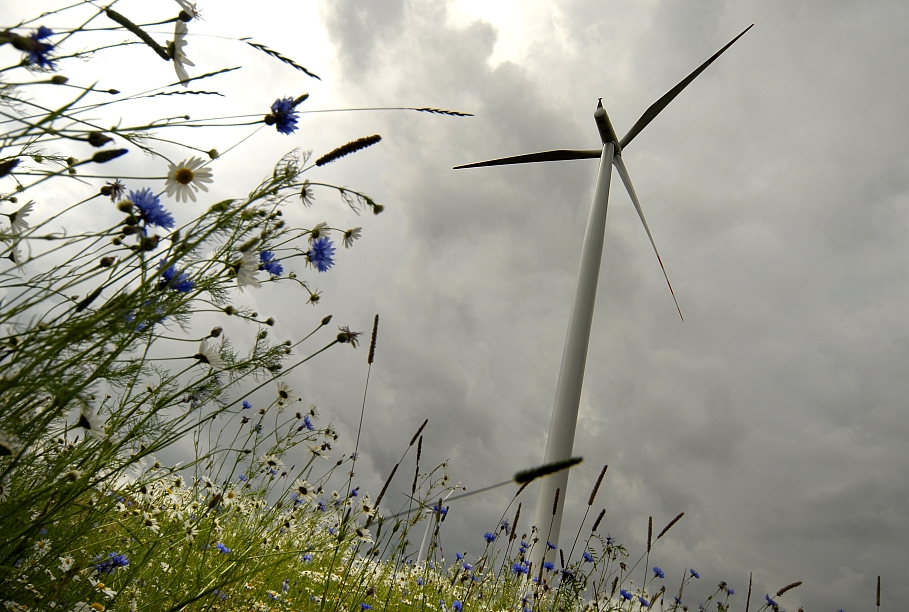
Over the last four years, Latvia has achieved notable progress toward several climate policy goals. Renewable energy has expanded rapidly, with both solar and wind power capacity growing substantially during this period. At the same time, a state support programme for purchasing electric vehicles has been available to residents and businesses, contributing to a rise in the number of low-emission vehicles in the country.
Progress has also been made in strengthening energy independence, as the country has reduced its reliance on external energy suppliers. In addition, the regulatory framework governing climate policy has been refined, setting out the state's approach to reducing greenhouse gas emissions and adapting to climate change.
Disputes where interests collide
However, progress has not been even across all areas. In cases where nature protection requirements have conflicted with economic interests, decision-making has proven far more difficult. Several such decisions have sparked significant disputes among the public and involved parties, with some ending up in court.
Overall, the picture emerging from the last four years of climate and environmental policy is a mixed one — clear achievements in the energy transition and regulatory development on one hand, and unresolved tension between protecting natural resources and pursuing economic development on the other, a tension that will require further solutions going forward.


