Climate and AI set to dominate von der Leyen's State of the Union address
Climate change and artificial intelligence will feature prominently in European Commission President Ursula von der Leyen's Sept. 16 State of the Union speech, according to two officials. Migration, Ukraine and EU enlargement are also expected to be touched on.

Climate and artificial intelligence are expected to be major themes in European Commission President Ursula von der Leyen's upcoming State of the Union address, scheduled for Sept. 16, according to two officials briefed on closed-door preparations.
Bjoern Seibert, von der Leyen's head of cabinet, discussed the likely contents of the speech with the chiefs of staff of the other 26 commissioners at their traditional post-summer gathering, held this year in Jodoigne, Wallonia. During the meeting, cabinet heads pitched their departments' priorities for inclusion in the address, which is still being drafted.
Climate and jobs
According to the officials, Seibert linked the anticipated climate focus to the damage caused by floods and wildfires over the summer. The emphasis comes as the Commission seeks to defend its 2040 emissions-reduction target while facing growing pressure from industry and national governments to limit the economic cost of the green transition.
Discussions also covered how to frame the impact of artificial intelligence on employment. One official said von der Leyen's team has asked relevant Commission policy units, particularly DG Connect, to prepare updated statistics on jobs expected to be lost and created as AI adoption expands.
Migration and other topics
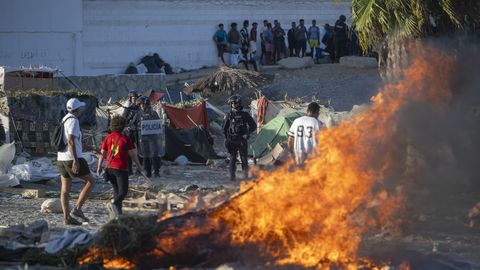
Seibert also raised migration as a likely subject for the speech, pointing to the crisis in the Spanish autonomous city of Ceuta. A third official said the Commission is expected to overhaul the mandate and operations of the EU's border agency, Frontex.
The address may also reference social policy, tied to next year's 10th anniversary of the European Pillar of Social Rights, along with Ukraine and enlargement, though the final list of topics has not been settled.
The Wallonia meeting marked the second major opportunity for commissioners to have their priorities considered, after cabinets had already submitted two- to three-page pitches to Seibert, alongside documents from the Commission's directorates-general. Commissioners will get one more chance to influence the speech next week at the traditional College seminar in Tervuren.