What Latvian Folk Beliefs Say About Crows Cawing Loudly Near the House
Latvijas Avīze has published an overview of Latvian folk beliefs explaining crow behaviour near homes. In tradition, cawing is linked both to misfortune and quarrels and to news and change.
The lifestyle and entertainment section “Kokteilis” of the Latvian newspaper Latvijas Avīze published a piece on 28 November about Latvian folk beliefs connected with crows behaving in a certain way near people's homes. The article gathers what earlier generations had observed when crows appeared by a house and how these signs were interpreted.
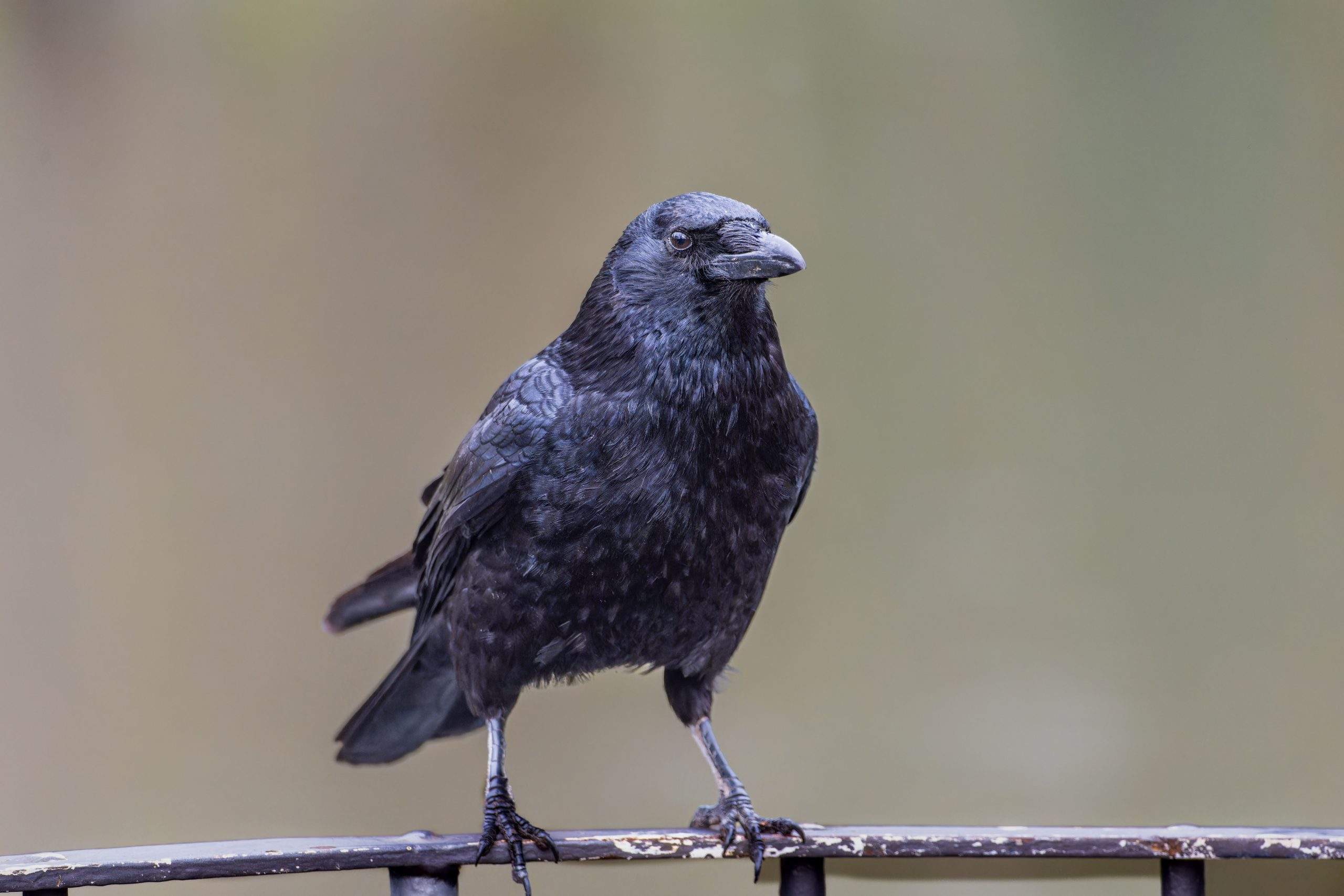
The source mentions several situations: a crow lands on the roof, caws at a window, or shrieks loudly several times in the yard. Many people still find such behaviour odd. In old Latvian folk beliefs, it received special attention.
A twofold meaning
According to the overview, crow cawing has often been associated with impending misfortune, quarrels and even death. At the same time, there are also beliefs in which the bird announces new tidings and change. Tradition therefore does not give crow signals a single fixed meaning, and the interpretations differ.
The headline of the publication asks whether the bird's presence means guests, happiness or death. This shows that old ideas about crows include both fearful and hopeful predictions.
The material reflects folk beliefs rather than proven facts, and it may interest readers drawn to Latvian folklore and traditional ideas about signs in nature.