What you gain and lose when switching from iPhone to Android
Engadget outlines the friction points and advantages users face when moving from an iPhone to an Android device. Most drawbacks stem from Apple's ecosystem lock-in rather than the switching process itself.
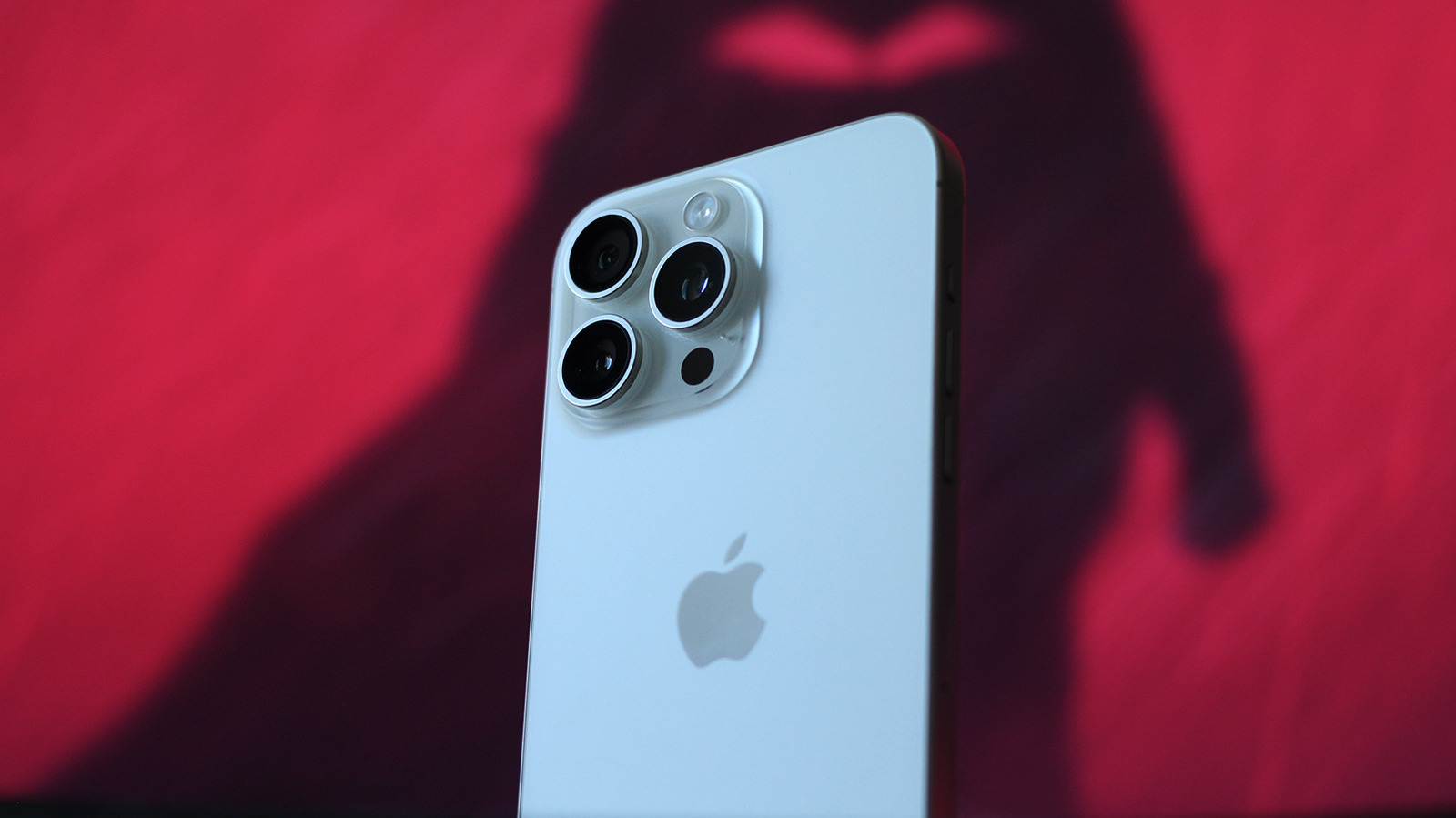
Transferring data from an iPhone to an Android phone is far less painful than it used to be — third-party apps are no longer required just to move something like WhatsApp chats. Users already invested in Google's suite of services will find contacts, photos and calendar entries carried over automatically. Those paying for Apple services such as iCloud+ are still advised to move to Google One, which integrates more smoothly with Android.
One area where iPhones still tend to have the edge is long-term software support. While manufacturers like Google and Samsung now promise up to seven years of OS updates, most Android brands still only guarantee around three to four years, whereas Apple has an established track record of long-term support.
The Apple ecosystem trap
The biggest friction shows up for people deeply invested in Apple's ecosystem of devices and services. AirPods will pair with an Android phone, but lose features like reliable spatial audio with head tracking. An Apple Watch, meanwhile, cannot pair with Android at all — keeping an iPhone on hand becomes necessary just to sync workout and health data to the cloud.
Google has been working to narrow the gap between the two platforms: some newer Android phones can now share files with Apple devices via AirDrop, and RCS messaging has finally arrived on iPhone. Still, iMessage remains exclusive to Apple hardware, and certain apps — such as the flight-tracking app Flighty — simply aren't available on Android at all.
Where iOS still wins
Android is generally seen as offering better file management and download handling, while iOS is often criticized for its keyboard. However, iOS maintains stronger design consistency, with apps across the system feeling more unified, whereas many Android manufacturers chasing a similar glassy aesthetic often end up with a less polished result. iPhone hardware is also seen as more consistent in build quality across the entire lineup compared with the wide range of Android devices on the market.