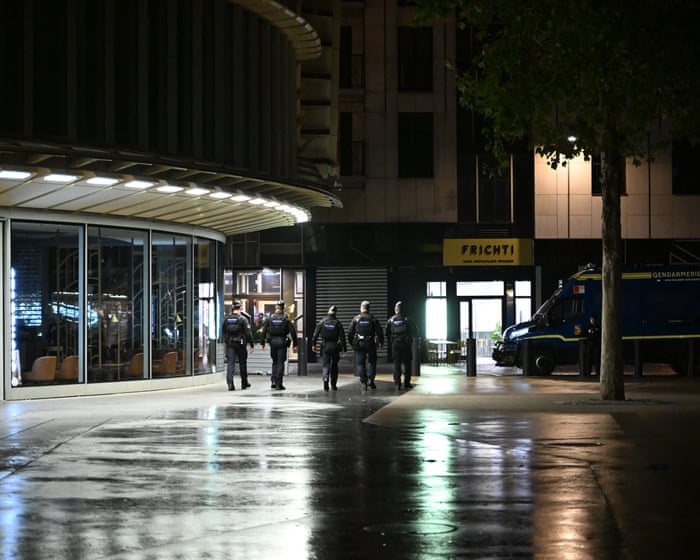
Commentary: How to Judge French Protests Marked by Unrest and Looting
In a Delfi commentary, Māris Zanders examines the recent protests in France, where vandalism and looting took place in Paris and other cities. He argues that the chaos should not be seen as an inevitable result of peaceful protests.
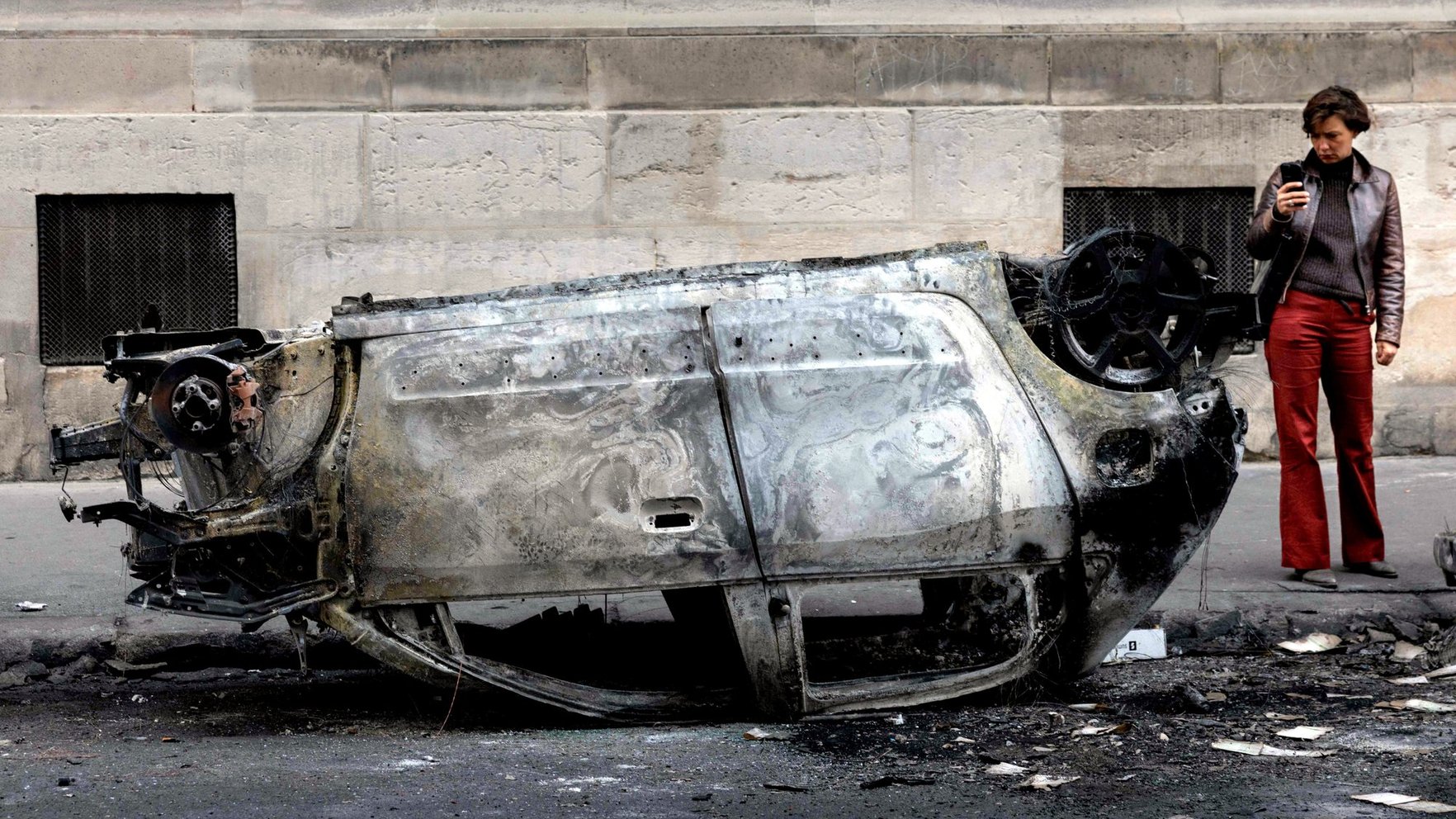
In a commentary published on the Latvian news site Delfi, author Māris Zanders analyses the events of recent days in France. In Paris and other French cities, protests of a political and economic nature were accompanied by vandalism and looting. The author therefore asks whether, and how, such protests are possible when crimes accompany them.
The organisers' position
Zanders writes that the official organisers and participants of the protests keep repeating that they condemn the vandalism and looting. He believes they genuinely mean it.
"Rotten apples" in a large crowd
The author uses the image of a basket of apples. In his view, any large gathering, whether a concert, a political protest or a sports event, includes some individuals who cause trouble. One overestimates how much strong alcohol he can handle, another turns up with provocative placards, and another steals from the people standing nearby. The author admits he cannot say how large the crowd must be for this pattern to appear. He assumes it starts at around 150–200 people.
Was the chaos inevitable?
The commentary notes that a journalist in Paris, interviewed by the German international broadcaster Deutsche Welle, described the chaos as unprecedented in France. Zanders argues that such chaos should not be interpreted as the inevitable result of peaceful protests.
The rest of the commentary is available to subscribers only, so this summary covers only the publicly visible part.