Composer criticizes Latvian parties' culture policy platforms ahead of elections
Composer Ruta Paidere has reviewed the election platforms of all 14 Latvian political parties and found they largely ignore the crisis facing professional arts education, focusing instead on amateur culture and national identity. She calls for a new debate on cultural policy and fair pay for professional artists.
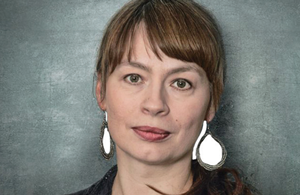
Composer and professor at the Hamburg University of Music and Theatre Ruta Paidere has published an opinion piece analyzing the election platforms of all 14 Latvian political parties for their stance on cultural policy. Her conclusion: most parties treat culture mainly as a tool for strengthening national identity and patriotism, while none outlines a concrete plan to address the problems facing professional arts education and pay.
Low pay in the arts
Paidere cites several examples from the music sector. Singers at the Latvian Radio Choir reportedly earn around 1,200 euros per month after tax for full-time work — less than the average salary of a retail salesperson. A lecturer at the Jāzeps Vītols Latvian Academy of Music with twenty years of experience earns about 1,400 euros per month after tax for 30 contact hours. A professor's assistant would receive a gross salary of 934 euros, while visiting lecturers are paid just 10.50 euros after tax per lecture. The author also mentions former leaders of the Kremerata Baltica ensemble, who reportedly earn 650 euros gross per month for teaching several students and string quartets.
Amateur art versus professional excellence
The author stresses that amateur and professional art are fundamentally different fields with different goals, a distinction she says policymakers often overlook. She criticizes how party platforms mention culture mainly as a tool for maintaining national self-awareness rather than as a field of freedom and individual excellence. Among all the parties, only Progresīvie acknowledge culture's role in strengthening democracy and the value of artistic freedom, though even their platform lacks concrete solutions.
Paidere warns that the current arts education system fails to nurture excellence and instead drives talented musicians and artists abroad. She calls for a fresh debate on cultural policy, solidarity actions by teaching staff, and a culture minister who would seriously address the structural problems facing professional arts institutions instead of relying on the phrase "cultural superpower."