More than 30,000 people still living under bombardment in Kramatorsk
Although Russian forces have nearly reached Kramatorsk and the city faces daily strikes by glide bombs and FPV drones, more than 30,000 residents remain. ERR journalists spent a night in the city, where explosions have become routine.
Russian forces have almost reached Kramatorsk, the administrative center of Ukraine's Donetsk region. Despite constant bombardment, more than 30,000 people continue to live in the city.
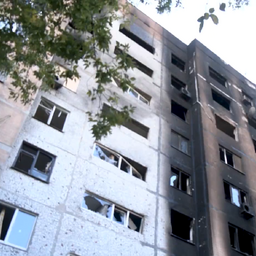
Last week a Russian glide bomb struck a residential building in Kramatorsk and a nearby church. Every day brings more destroyed and abandoned homes, and residents also face the threat of Russian FPV drones.
A shrinking city
Local volunteer Sergei, a former musician now part of a local self-defense unit tasked with countering drones, says the city's outskirts have become dangerous in every direction. Even the relatively calm center is not fully safe — he described people suddenly spotting an incoming bomb while sitting in a café.
ERR reporters spent a night in Kramatorsk listening to explosions and said they wanted to leave the city immediately afterward. Sergei, however, said that particular night had been relatively quiet — on some nights 12 to 15 glide bombs fall, shaking buildings, but this time he did not even wake up.
Until recently, Kramatorsk was considered a relatively safe location in the Donbas region. Resident Viktor recalled that on September 19, four houses were hit simultaneously, and since then explosions have continued daily, at all hours.
Leaving becomes harder
Evacuating the city has grown increasingly dangerous, with FPV and "Molniya" drones threatening the roads, causing most transport companies to stop traveling there. Many residents have lost their homes in the attacks. Natalia, whose husband was killed in fighting near the village of Bohorodychne in 2022, is set to be evacuated soon but does not know where she will end up.
Over recent months, around 10,000 people have left Kramatorsk. Still, many residents say they prefer to stay under bombardment rather than move farther from the front line, citing high rents and limited financial means as key reasons for staying.