Trump, Putin and Xi at one table without Ukraine: what Moscow wants and why Beijing might agree
Moscow has proposed a US–Russia–China leaders' meeting on the sidelines of the APEC summit in Shenzhen, excluding Ukraine and the European Union. Analysts weigh what Russia expects from such a format and why China might go along.
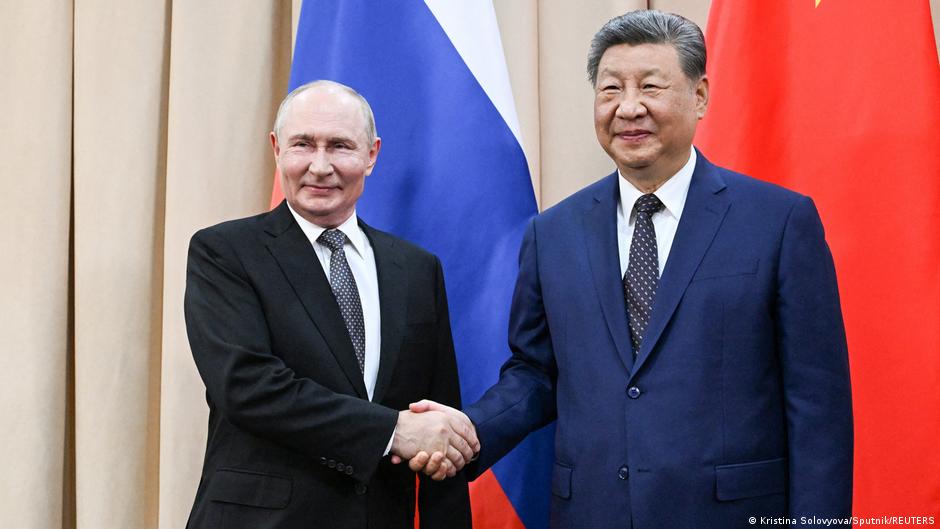
Russian President Vladimir Putin wants a three-way summit with US President Donald Trump and Chinese leader Xi Jinping that would exclude both Ukraine and the European Union. The Wall Street Journal reported that the meeting could take place on the sidelines of the Asia-Pacific Economic Cooperation (APEC) summit in Shenzhen, China, on November 18–19. The format shows the kind of negotiating setup the Kremlin prefers as Russia's war in Ukraine continues.
Background to the peace efforts
The Trump administration has stepped up diplomacy this autumn. It has increased pressure on Kyiv and its European partners and offered Moscow incentives, including a deal on Russian diesel exports to the US and a temporary easing of some sanctions. After US special envoy Steve Witkoff met Putin in St. Petersburg, Putin's aide Yury Ushakov said US-mediated peace talks would resume after November 10, possibly in Abu Dhabi. He also said Beijing was already preparing the trilateral meeting.
According to WSJ sources, Putin hopes to agree terms favorable to Russia with Trump and Xi and sees the Shenzhen gathering as a potential new Yalta Conference. Chinese officials reportedly signaled through diplomatic channels that Beijing would not object if Trump took part. Ukrainian President Volodymyr Zelenskyy said in Oslo on October 20 that talks on his country's future are acceptable only if Ukraine has a seat at the table.
What analysts say
Temur Umarov of the Carnegie Russia Eurasia Center in Berlin expects China to take part largely as a symbolic partner and to seek vague, noncommittal wording. Yurii Poita of the Mercator Institute for China Studies points to shared Russian and Chinese interests in weakening Western influence. Michael Kimmage, director of the Kennan Institute, argues that Beijing's priority is Putin's political survival, and that Europe's support for Ukraine gives it leverage even if it is excluded.