Russia to cut cancer programme funding almost twelvefold in 2027 as defence spending hits post-Soviet high
Russia's draft 2027 federal budget would reduce its national cancer programme from 44.9 to 3.87 billion roubles, while defence spending reaches 17.1 trillion roubles, the largest share since the Soviet collapse.
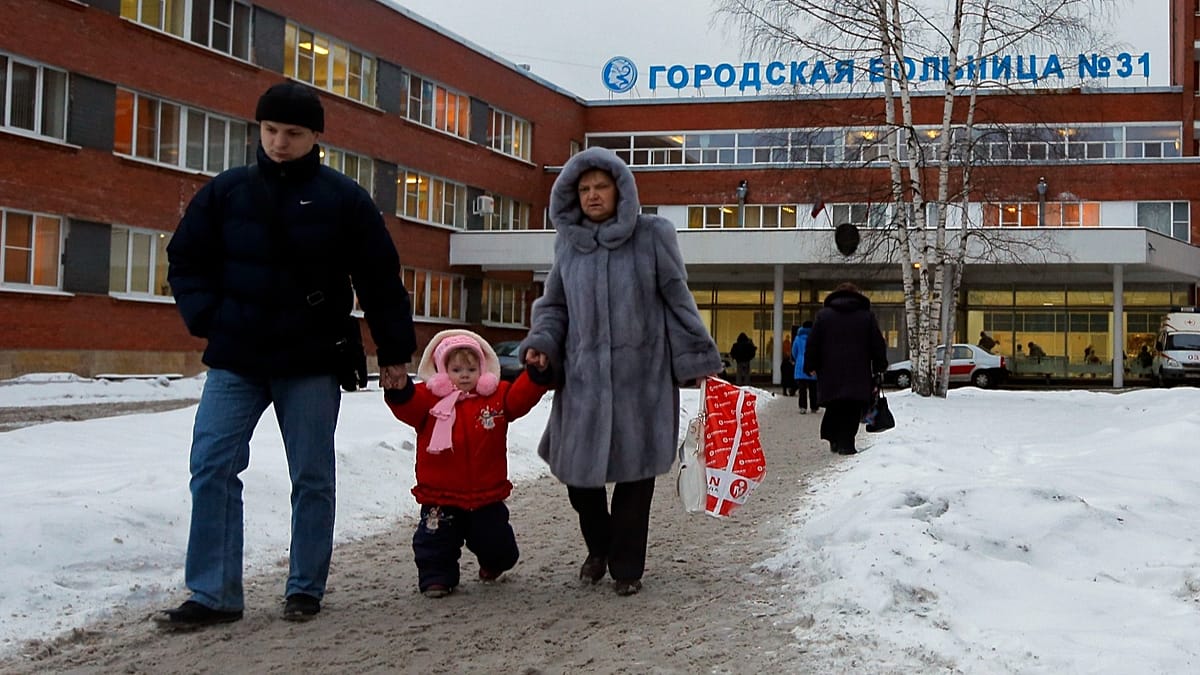
Russia's draft federal budget for 2027–2029 provides for cutting funding for the national cancer programme almost twelvefold, from 44.9 billion roubles (about €470.5m) to 3.87 billion roubles (€40.5m). At the same time, defence spending is set to rise to 17.1 trillion roubles, roughly 35% of all federal expenditure, the highest share since the Soviet Union collapsed.
Compared with 2025, when the programme received 148.5 billion roubles (€1.5bn), the fall over two years would be roughly 38-fold if the budget is adopted as proposed. Funding is expected to recover only in part afterwards, reaching 5.76 billion roubles in 2028 and 12.78 billion in 2029, both still well below current levels.
What the programme paid for and what remains
The federal cancer project has so far financed diagnostic equipment, cancer centres and early screening programmes. Under the new budget, the remaining funds are expected to go mainly to diagnostic and radiology equipment, while specialised units in smaller towns and rural areas face cuts. This could widen an already considerable gap between cancer care in major federal centres and remote regions.
Shifting costs and patients' own spending
Officials have said that some costs will be moved to the compulsory health insurance system (OMS) and other budget lines instead of being eliminated altogether. Patient organisations and some experts question whether the new mechanisms can fully offset the federal reduction. They also note that moving costs to regional budgets and the OMS links the quality of care more closely to the financial strength of each region.
A study by the NGO Movement Against Cancer found that between 2019 and 2025 patients paid out of pocket for roughly one in six or seven packs of cancer medicines. In 2025 alone, household spending on anti-tumour drugs rose from 8.8 billion to 11.4 billion roubles, and the number of packs bought independently grew from five million to 5.8 million. About 94% of these drugs are on the essential medicines list and should be supplied free of charge. The authors attribute the spending not to patients choosing pricier options, since most purchases were generics, but to supply disruptions and gaps in provision.
Official figures show the state bought 32.8 million packs of medicines worth 336 billion roubles through the OMS system in 2025. Russian law guarantees cancer patients free access to the medicines they need, yet patients and doctors have long reported procurement delays and shortfalls in regional budgets.
More than four years of Moscow's all-out war in Ukraine have gradually reshaped public spending, with civilian programmes, including healthcare and medical infrastructure, giving way to continued growth in defence outlays.