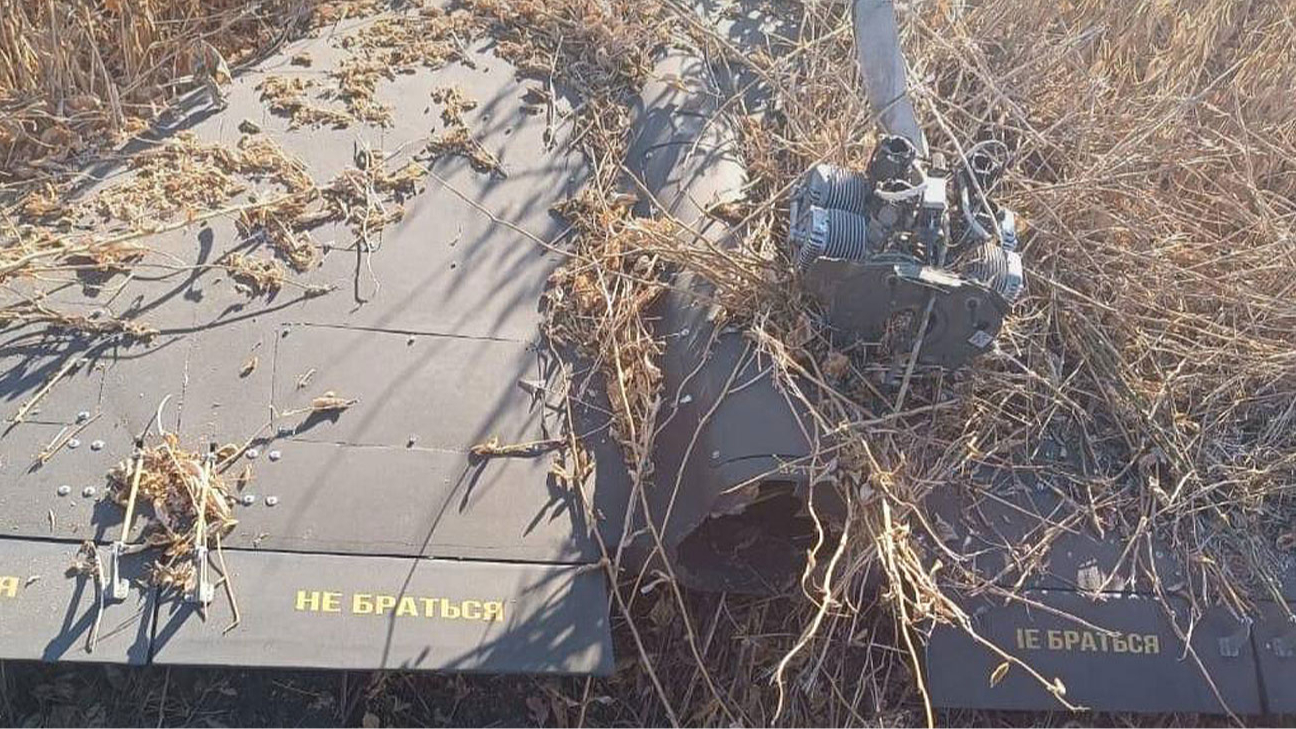
Fuel crisis deepens in Russia as Ukrainian drone strikes hit refineries
Ukrainian drone attacks on Russian oil refineries have caused severe fuel shortages, with drivers facing hours-long queues and authorities denying a systemic crisis.

Across Russia, motorists are waiting for hours, and in some regions days, to fill up at gas stations. People are driving across cities in search of open stations, spending nights in their cars, and often getting into scuffles. The situation has been exacerbated by Ukrainian drone strikes on Russian oil refineries in recent months. On July 6, Ukrainian forces targeted the Omsk refinery, some 2,500 kilometers from the border. Ukraine has now struck all ten of Russia's largest oil refineries, from the Leningrad region to Omsk, deepening a fuel crisis that has spread across much of the country.
The most severe shortages are reportedly in Chita, Transbaikal region, where drivers wait up to 36 hours. Some run out of fuel while queuing and have to push their cars. Social media users claim that people sell their spots in line for up to 35,000 rubles (€400/$460). The shortages are forcing many Russians to change their routines. Some carpool or switch to public transport; others buy horses for forestry and farm work. Bicycle demand has surged, with sales on CDEK.Shopping up 131% in June compared to May.
Authorities deny a systemic shortage, blaming panic buying and speculation. Deputy Prime Minister Alexander Novak insists disruptions are limited to individual stations. However, independent outlet 7x7 reports that in at least four regions, fuel is sold only to those with government IDs. Meanwhile, President Vladimir Putin's approval rating fell from 74% to 69% in one week, the lowest since the start of the war, according to the Russian Public Opinion Foundation (FOM). Support for the war increased to 30%, while support for peace talks dropped to 60%.
Despite the crisis, the Kremlin remains largely silent. Duma member Nina Ostanina criticized the government for not addressing the situation ahead of the harvest, warning of potential grain shortages under sanctions.