Russia Prepares Measures to Control Bear Population After Deadly Attacks
Russia's government is drafting measures to manage a surging brown bear population after at least 22 people were killed in attacks since spring. Experts blame climate change and human negligence.
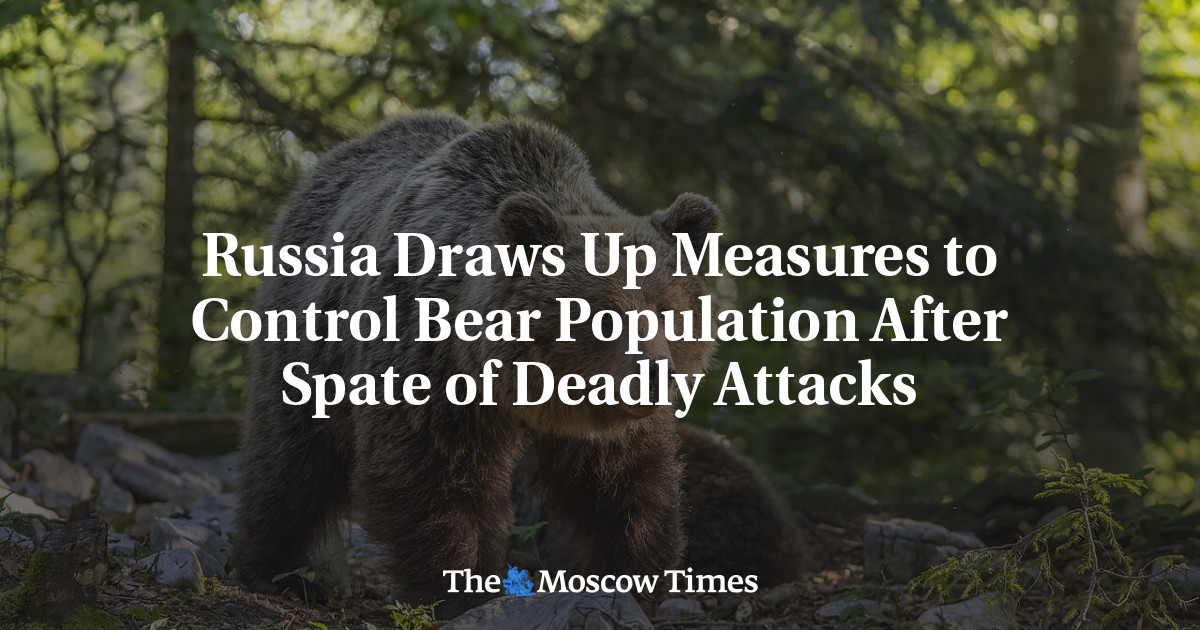
Russia's government said Wednesday it is urgently drawing up measures to control the brown bear population, which has grown out of control in several regions. At least 22 people have been killed in bear attacks across the country since spring, according to state news agency RIA.
In the most recent case, a 23-year-old man was killed by a bear this week in Kamchatka, in Russia's Far East, while out picking berries. The week before, a woman in Siberia was fatally mauled by a bear in her own garden.
Deputy Prime Minister Dmitry Patrushev said that as the bear population grows, so does the number of problems, and that systemic measures are needed to ensure humans and animals can coexist safely. He said the government is preparing a series of priority measures to address the issue.
Proposed measures
The government plans to consider lifting hunting quotas on brown bears, setting regional population limits, giving local authorities greater powers to manage bear numbers, and identifying regions that need additional funding to tackle the problem.
Over the past three decades, Russia's brown bear population has more than doubled to 308,000, driven in part by shorter, milder winters. Experts say an early, dry spring this year led to a shortage of berries in September, forcing bears to search farther afield for food. Officials also blame people for leaving food waste exposed and ignoring safety guidelines.
In Krasnoyarsk, a Siberian region home to nearly 27,000 bears, investigators opened a criminal case last week against the local environment ministry, accusing it of negligence that contributed to seven deaths in September alone. The federal environment ministry has downplayed the surge, noting that 20 to 30 bear attacks are typically recorded each year, but said social media and smartphones are making such incidents appear more widespread than before.